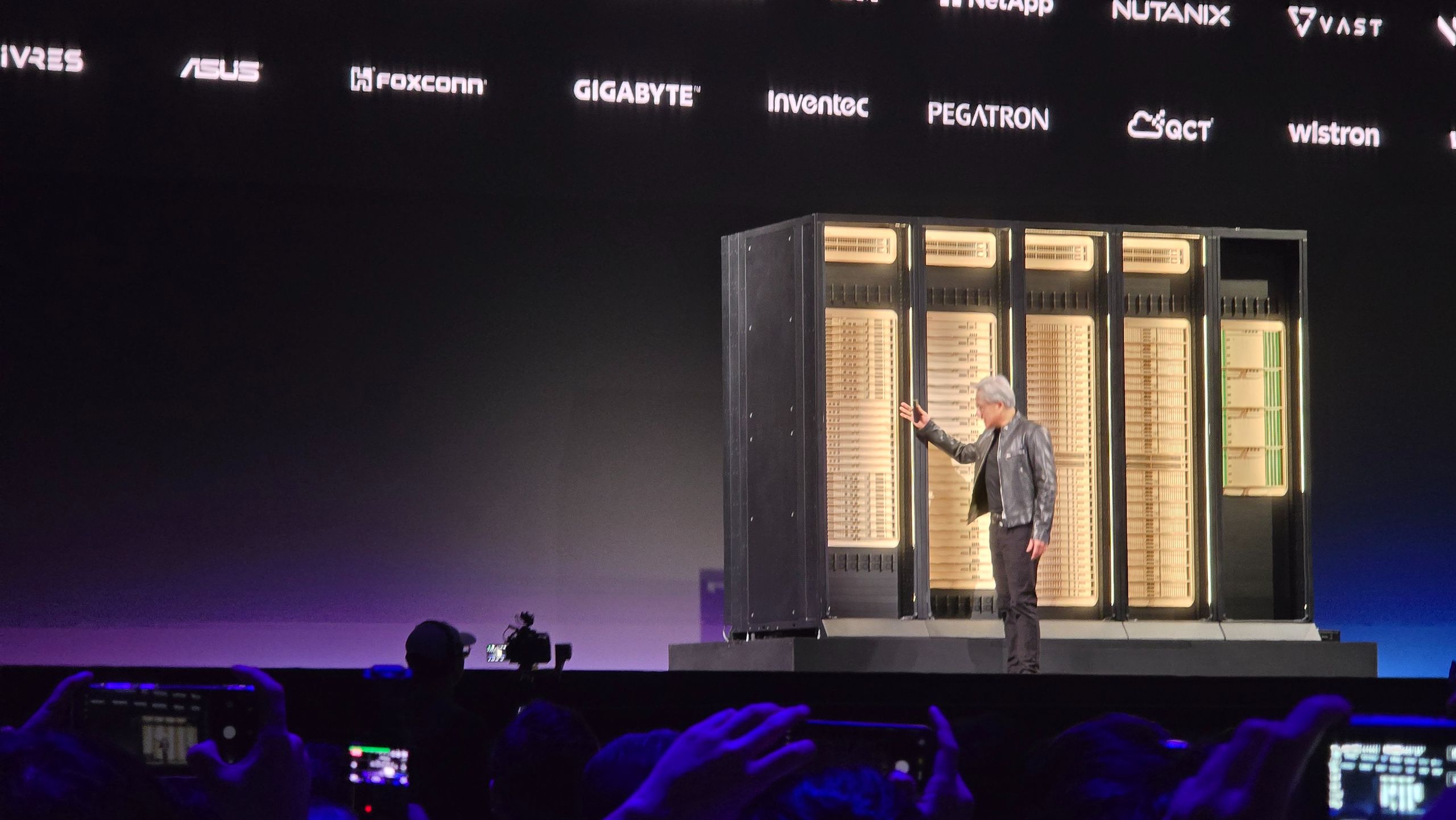
Nvidia shares experienced a sharp decline on September 6, 2024, resulting in a reduction of the company’s market capitalization by approximately $330 billion in a single trading session. This volatility followed a quarterly earnings report from Broadcom, which provided revenue guidance that failed to meet the aggressive growth expectations held by many artificial intelligence investors. The sell-off reflected broader concerns regarding the sustainability of the rapid valuation increases seen across the semiconductor sector throughout 2024, according to data tracked by Reuters.
The $330 billion loss in market value stands as a record for a single-day decline for any U.S.-listed company, surpassing previous historic drops in valuation. Investors reacted to Broadcom’s forecast, which signaled that while demand for AI-related hardware remains strong, it may be leveling off from the exponential growth rates previously anticipated by the market. As an editor specializing in technology, I have observed that this sensitivity to guidance highlights how much of the current semiconductor market valuation is tied to future expectations rather than current output alone, as noted in reports from Bloomberg.
Market Sensitivity to AI Infrastructure Spending
The primary driver behind the market volatility was the guidance provided by Broadcom, a key player in the AI networking and custom chip space. While Broadcom reported strong quarterly results, its revenue forecast for the upcoming quarter did not provide the significant “beat” that high-growth investors have come to expect from AI-linked companies. According to official financial disclosures from Broadcom, the company projected fiscal fourth-quarter revenue of approximately $14 billion, a figure that fell short of some analyst estimates.
:max_bytes(150000):strip_icc()/Nvidia-Broadcom-bd863beb92a74c26afa5cfac467658a1.jpg "Market Sensitivity to AI Infrastructure Spending")
For investors, Broadcom acts as a bellwether for the broader AI infrastructure market. Because Broadcom provides the networking components and custom silicon essential for data centers operated by companies like Alphabet, Meta, and others, its guidance serves as a proxy for total industry spending. When that guidance appears cautious, the market often recalibrates its outlook for Nvidia, which remains the dominant supplier of the graphics processing units (GPUs) that power these same data centers. This interconnectedness means that any sign of cooling demand in the supply chain can lead to rapid, sector-wide repricing.
Assessing the Scale of the Valuation Shift
The decline on September 6 marked a significant departure from the trend of consistent gains that defined Nvidia’s performance earlier in the year. Prior to this drop, Nvidia’s stock had seen significant appreciation driven by the surging demand for its Hopper and Blackwell architecture chips. The Wall Street Journal reported that the scale of this sell-off underscores the concentration of capital in a small number of AI-focused technology stocks, making the broader market indices increasingly vulnerable to fluctuations in individual company performance.
To put the $330 billion figure in perspective, the value lost by Nvidia in those 24 hours exceeds the entire market capitalization of many major global corporations. This event serves as a reminder of the risks associated with high price-to-earnings multiples in the tech sector. While the underlying demand for AI compute capacity remains high, the market’s reaction suggests that investors are becoming increasingly sensitive to the difference between “strong growth” and “growth that justifies record-setting valuations.”
Future Outlook and Upcoming Industry Milestones
What happens next depends largely on the upcoming quarterly earnings cycles and the pace of capital expenditure by the world’s largest cloud service providers. Analysts are now looking toward the next round of earnings reports to determine if the cooling in guidance is a temporary normalization or a broader trend of slowing AI investment. Investors typically look to the company’s official investor relations portal for the most accurate information regarding production timelines for the Blackwell GPU series, which many analysts consider a critical factor in Nvidia’s near-term revenue growth.
As the industry moves into the final quarter of 2024, the focus will remain on whether supply chain constraints—rather than demand—continue to be the primary limiting factor for chip makers. Market participants are encouraged to monitor official regulatory filings and company-issued guidance for updates on production capacity and customer order backlogs. Please share your thoughts on the stability of the current AI-led market rally in the comments section below.
Keep reading