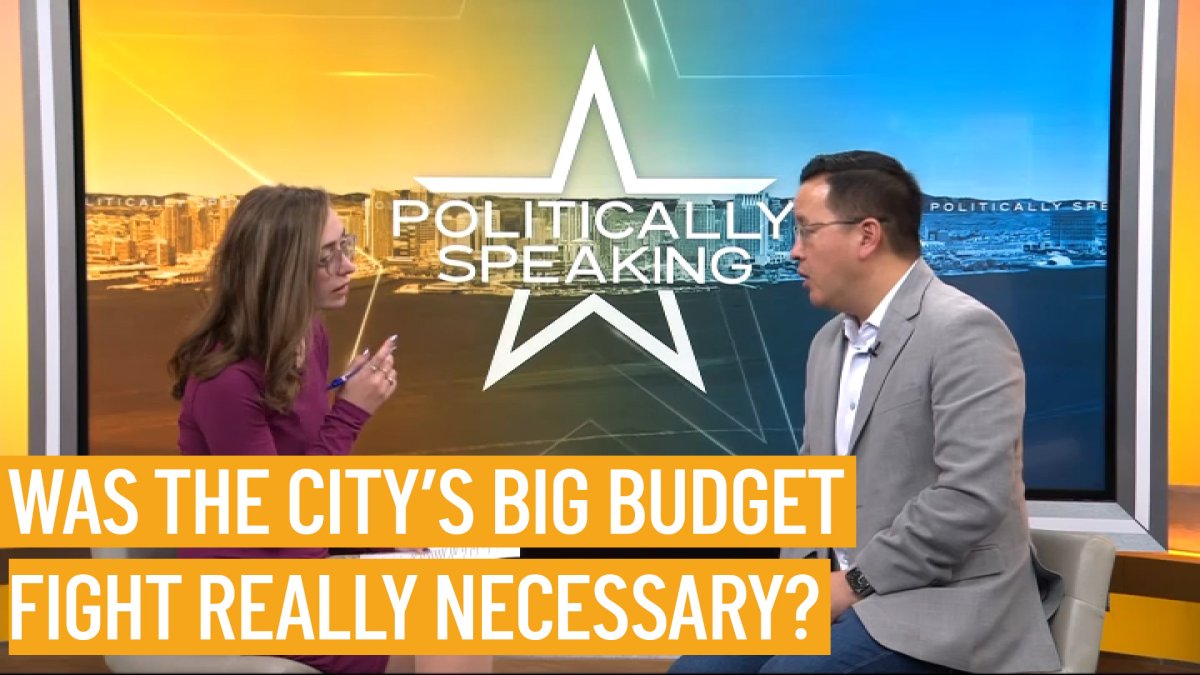
The City of San Diego has finalized a balanced budget for the upcoming fiscal year, a move that secures funding for various municipal programs while addressing a substantial $118 million deficit. Despite the passage of the budget, the city remains under long-term financial pressure, specifically regarding an estimated $8 billion infrastructure backlog that has accumulated over decades of deferred maintenance. The City Council approved the spending plan following two rounds of voting, balancing the restoration of community services with departmental cuts and mandates for unpaid staff furloughs.
According to official budget documents and City Council discussions, the approved plan restores hours for libraries and recreation centers that were previously slated for reductions. The council’s unanimous decision to pass the budget followed a more contentious initial vote, largely centered on disagreements regarding technology investments and the prioritization of core city services. The budget process was overseen by the City’s Independent Budget Analyst (IBA), whose reports provide the primary framework for understanding the city’s structural financial challenges.
Addressing the Structural Deficit and Infrastructure Backlog
San Diego’s current financial standing is defined by a persistent structural deficit, where the cost of providing city services consistently outpaces revenue growth. As noted in reports from the Office of the Independent Budget Analyst, the city has historically relied on one-time resources to bridge these gaps, a practice that leaves subsequent years with recurring shortfalls. This year, the city utilized a combination of departmental cuts and non-general fund revenues to achieve a balanced budget without implementing new taxes or fees.
The most significant long-term concern remains the city’s infrastructure. While the current budget manages day-to-day operations, it does not provide a comprehensive solution for the estimated $8 billion in deferred infrastructure needs. This backlog, which includes essential repairs to streets, storm drains, and public facilities, has been characterized by city officials as a generational issue resulting from years of underinvestment. As highlighted in official city communications, the challenge for future administrations will be identifying sustainable funding streams to address these repairs without compromising the delivery of frontline services.
Restorations and Budgetary Trade-offs
A major focus of this year’s negotiations was the restoration of funding for community-facing programs. The City Council ultimately secured approximately $10.35 million in total support for arts and culture programming, a figure that includes $6 million from the city, a $3 million matching grant from a private foundation, and an additional $1.35 million in community grant funding. This restoration was achieved through the strategic use of tourism occupancy taxes, which are distinct from the city’s general fund.
However, the budget was not without trade-offs. To maintain balance, the council approved measures including unpaid furloughs for city staff and the elimination of several middle-management positions. These choices sparked debate during public comment sessions, particularly regarding the impact on city employees. Council members have emphasized that these decisions were necessary to prioritize frontline workers—such as librarians and recreation center directors—who are essential to the daily operation of city facilities. The city’s payroll, which has seen growth over the last decade, remains a point of scrutiny as officials look for further operational efficiencies in future cycles.
The Role of Technology and Public Safety
One of the more contentious points of the budget process involved the funding of Automated License Plate Readers (ALPR). While some council members argued that the technology provides an essential tool for law enforcement to solve crimes, others questioned whether it should be prioritized over other core services like library hours or stormwater channel clearance. The debate highlighted the difficult choices inherent in a budget where every million dollars impacts the ability to deliver municipal services.
Public safety continues to account for approximately 50% of the city’s budget. According to data from the San Diego Police Department, the allocation of these funds is subject to ongoing review, with recent amendments focusing on finding savings in non-essential areas like fuel and fleet maintenance to fund additional personnel. City officials have noted that, compared to other major U.S. cities, San Diego spends less per capita on its fire department, reinforcing the argument that the current budget is constrained by relatively low revenue levels relative to the service expectations of the public.
What Happens Next?
While the budget for the upcoming fiscal year is now settled, the path forward remains complex. The city is already projecting a deficit of approximately $15 million to $20 million for the following year, largely due to the exhaustion of certain one-time funds and the rising costs of maintenance for facilities like Balboa Park. The next phase of the budget cycle will involve the City Council and the Mayor’s office beginning the process of identifying long-term structural adjustments to accommodate these projected shortfalls.

Residents are encouraged to monitor the San Diego City Council’s official meeting portal for updates on upcoming committee hearings and opportunities to provide public comment on future fiscal policies. Transparency and sustained regional collaboration are expected to be the primary themes of the next budget cycle as the city attempts to address its infrastructure needs and restore public trust in its financial management.
Worth a look