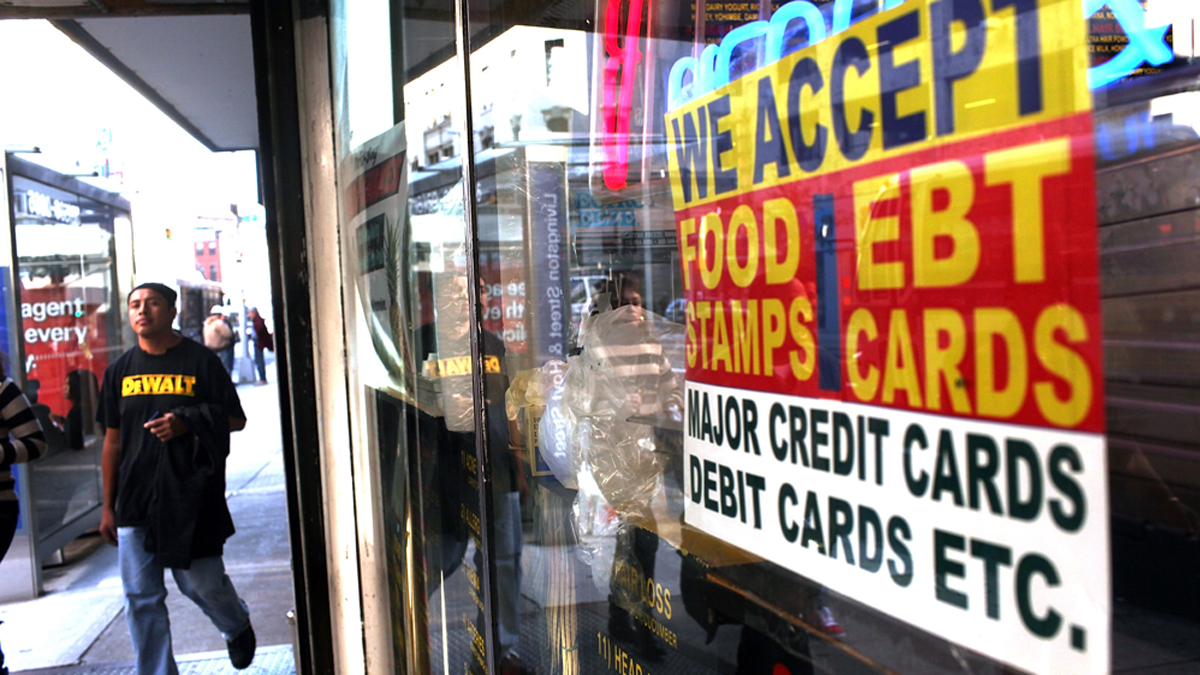
SNAP Benefits at Risk: millions Face Food Insecurity as Shutdown Continues
The looming expiration of SNAP (Supplemental Nutrition Assistance Program) benefits, beginning November 1st, threatens to plunge millions of Americans into deeper food insecurity. This crisis is a direct result of the ongoing government shutdown, highlighting the critical role federal programs play in supporting vulnerable populations. This article provides a comprehensive overview of the situation, detailing the potential impact, state-level responses, and the political stalemate fueling the crisis.
The Immediate Impact: A Halt to Essential Food Assistance
For millions of low-income individuals and families, SNAP benefits are a lifeline. The debit cards used to access these benefits will not be reloaded as scheduled, leaving recipients with no immediate means to purchase groceries. This isn’t a future concern; the impact begins November 1st. The average monthly benefit of $187 per person, while seemingly modest, represents a significant portion of a household’s food budget, particularly for those already struggling to make ends meet.
The demographics of SNAP recipients underscore the broad reach of this potential disruption. The Center on Budget and Policy Priorities analysis reveals that the majority are families with children. Furthermore, over one-third include older adults or individuals with disabilities, and nearly two-fifths are households were at least one member is employed. Crucially, most SNAP participants have incomes below the poverty line - roughly $32,000 annually for a family of four.
The consequences are stark. Beneficiaries are facing the agonizing choice between food and other essential bills like rent, utilities, and healthcare. Food banks, already stretched thin, are bracing for a dramatic surge in demand, a challenge compounded by thier own potential funding shortfalls. While states anticipate retailers will honor existing card balances,the lack of replenishment creates a rapidly escalating crisis.
A Bipartisan Plea & Political Gridlock
the severity of the situation isn’t lost on state leaders. A coalition of 19 Republican state attorneys general, recognizing the widespread impact, have publicly urged Senate Minority Leader Chuck Schumer to pass a “clean continuing resolution” – a temporary funding measure – to restore SNAP funding. This bipartisan appeal underscores the urgency and the broad consensus that food assistance should not be held hostage during political negotiations.
However, the shutdown persists due to a deep partisan divide. The Trump administration blames Democrats for refusing to reopen the government until Republicans engage in negotiations regarding expiring subsidies under the Affordable Care Act. Democrats, in turn, insist that Republicans must first agree to reopen the government before any negotiations can begin. This political deadlock is directly translating into real-world hardship for millions of Americans.
state-Level Responses: A Patchwork of Solutions
Recognizing the federal inaction, states are scrambling to mitigate the damage, but face significant limitations. Many states lack the technical infrastructure to independently fund SNAP benefits at the current level.
Several states have pledged emergency food aid, including:
* Louisiana, Vermont, and Virginia: have committed to providing some form of backup assistance, though specific details are still being finalized.
* New Hampshire,Minnesota,California,New Mexico,Connecticut,and New York: Are planning increased funding for food banks and pantries.
Though,the USDA has explicitly stated that states will not be reimbursed for funding these benefits,creating a significant financial burden.
Examples of state-level initiatives include:
* South Carolina: Governor Henry McMaster has activated a disaster relief fund, typically used for hurricanes, to provide grants to food banks. However, the fund is currently empty and reliant on immediate donations. The state distributes over $100 million in SNAP benefits monthly,highlighting the scale of the need.
* Pennsylvania: Democratic lawmakers are advocating for $60 million in emergency aid for food banks and Meals on Wheels programs, but a budget stalemate is currently blocking the release of $25 million already allocated.
WIC program Faces Imminent Collapse
The crisis extends beyond SNAP. The Special Supplemental Nutrition Program for Women, Infants and Children (WIC), wich serves over 6 million low-income mothers, young children, and expectant parents, narrowly avoided a shutdown in October thanks to a temporary reallocation of $300 million. though, this funding is projected to run out as early as November 8th.
WIC provides crucial access to nutritious staples like fruits, vegetables, low-fat milk, and infant formula. The impending depletion of WIC funds represents another devastating blow to vulnerable families, perhaps impacting the health and development of millions of children.
Looking Ahead: A Call for Immediate Action
The ongoing government shutdown and the resulting disruption to SNAP and WIC benefits are a stark reminder of the fragility of