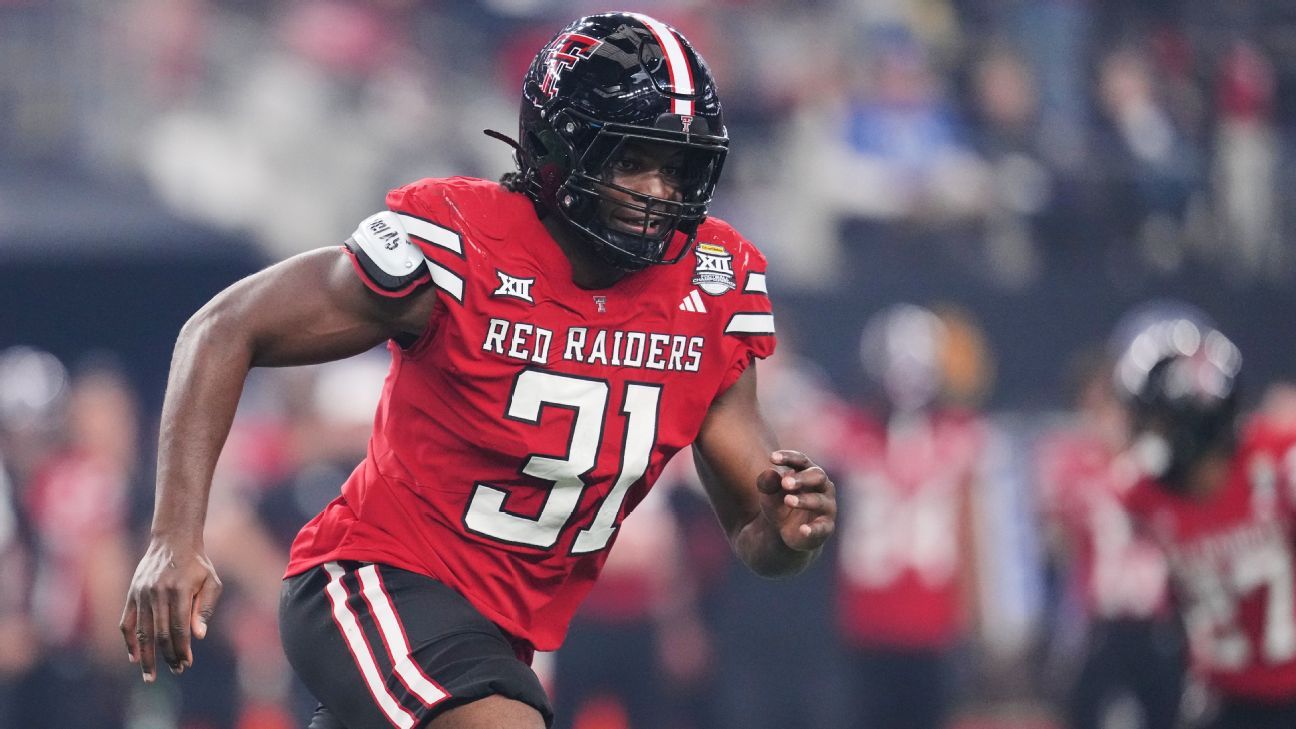
The New York Jets find themselves at a critical crossroads as the 2026 NFL Draft approaches, holding the No. 2 overall pick in a year characterized by a scarcity of blue-chip prospects at traditional premium positions. Even as the team has a storied history of selecting offensive talent or specific needs early, the conversation has shifted toward a potential historic move: selecting an edge rusher with their second overall pick.
The focus of this speculation is David Bailey, an edge rusher described as far from ordinary. While the Jets have never previously taken a defensive player as high as No. 2, the current organizational philosophy suggests that the team is more interested in elite talent than adhering to traditional positional value or historical norms.
This shift in strategy is being driven by head coach Aaron Glenn and general manager Darren Mougey. Glenn, who previously served on the Detroit Lions’ coaching staff in 2023, has openly embraced a philosophy centered on acquiring players the organization loves, regardless of the position or what external critics might think about the value of that spot in the draft.
A Departure from Draft Norms
The 2026 draft class presents a unique challenge for the Jets’ front office. Unlike years where the top of the draft is loaded with franchise quarterbacks or generational edge rushers, this class is top-heavy with players at non-premium positions. Notable prospects include off-ball linebacker Sonny Styles from Ohio State, running back Jeremiyah Love from Notre Dame, and safety Caleb Downs, too from Ohio State.
For a team like the Jets, who require assistance across multiple units, the decision to apply the No. 2 pick on a defensive player like David Bailey would represent a significant pivot. Coach Aaron Glenn has attributed this “go get the player” mentality to his mentor, Sean Payton. Glenn noted that if the staff loves a player, they should pursue him regardless of positional value, a strategy he witnessed successfully implemented in Detroit.
The precedent for this approach was set during Glenn’s time with the Detroit Lions in 2023. At that time, the Lions faced criticism for drafting running back Jahmyr Gibbs at No. 12 and off-ball linebacker Jack Campbell at No. 18. Although, both players subsequently developed into Pro Bowl talents, validating the approach of prioritizing the individual player’s ceiling over the perceived value of the position.
Evaluating the Edge: The David Bailey Factor
The prospect of David Bailey entering the New York Jets’ defensive rotation is particularly intriguing because of the specific role an edge rusher plays in disrupting opposing offenses. While the team has historically avoided taking defensive players at the No. 2 spot, the description of Bailey as “not an ordinary edge rusher” suggests a level of athleticism or productivity that could override the team’s historical trends.
In a draft where other top prospects—such as Arvell Reese of Ohio State—also occupy the linebacker/edge rusher hybrid role, the Jets are weighing whether the immediate impact of a defensive disruptor outweighs the need for other positions. This decision is further complicated by the team’s current roster construction, which includes a variety of veterans and young talent across the defensive line and secondary.
The Influence of the “Payton Disciple” Philosophy
The alignment between Coach Aaron Glenn and GM Darren Mougey is central to this potential draft strategy. By adopting the mindset of Sean Payton, the Jets are moving away from the rigid “best player available” (BPA) charts that often dictate NFL draft boards. Instead, they are focusing on the specific traits and “love” for a prospect’s potential.
This philosophy allows the Jets to be aggressive. If David Bailey is viewed as a transformative talent who can change the geometry of the field and pressure quarterbacks consistently, the No. 2 pick becomes a viable spot for a defensive player. It is a high-risk, high-reward strategy that prioritizes game-changing ability over the safety of drafting a “premium” position like quarterback.
Roster Context and Quarterback Stability
While the draft focus remains on the defensive front, the Jets’ current roster reflects a mix of experienced leadership and recent acquisitions. On the offensive side, the team currently employs quarterback Bailey Zappe, who joined the New York Jets in 2026 after stints with the New England Patriots, Kansas City Chiefs, and Cleveland Browns. Zappe, a former NCAA passing yards and touchdowns leader from Western Kentucky, brings a level of experience to the quarterback room, having recorded 2,223 passing yards in his NFL career as of 2025.
The presence of established options at quarterback may provide the Jets with the flexibility to ignore the “premium” quarterback position at No. 2 and instead focus on the defensive side of the ball. With Zappe and other personnel in place, the urgency to draft a quarterback is diminished, clearing the path for a defensive powerhouse like Bailey.
Key Players and Personnel
The Jets’ current roster is a blend of high-profile talent and depth. Key contributors include:
- Offense: Breece Hall, Garrett Wilson, and quarterback Bailey Zappe.
- Defense: Sauce Gardner, Minkah Fitzpatrick, and various defensive line rotations.
The addition of a top-tier edge rusher would complement this existing talent, potentially creating one of the most formidable defensive fronts in the league. The synergy between a disruptive edge rusher and a strong secondary is often the blueprint for championship-caliber defenses.
What Happens Next for the Jets
As the NFL Draft approaches, the New York Jets will continue to evaluate the top prospects through the lens of Coach Glenn’s “love the player” philosophy. The decision regarding David Bailey and the No. 2 overall pick will serve as a litmus test for the team’s new organizational direction. If they commit to Bailey, they will have broken a long-standing franchise trend in favor of a modern, talent-first approach.
The NFL community will be watching to see if the Jets follow the Detroit Lions’ 2023 blueprint of ignoring positional norms to secure Pro Bowl-level talent. For now, the focus remains on the scouting process and the final determination of whether David Bailey is the “not ordinary” player required to justify a top-two selection.
Fans and analysts can look forward to official draft declarations and the final team selections during the upcoming NFL Draft event. We encourage our readers to share their thoughts in the comments section below: Do you believe the Jets should prioritize a defensive edge rusher at No. 2, or should they stick to traditional positional value?
Worth a look