
The intersection of American populist politics and European nationalism reached a high-profile crescendo in Budapest this week, as the Trump administration made a visible effort to bolster Hungarian Prime Minister Viktor Orbán. In a scene that mirrored the high-energy rallies of the MAGA movement, Vice President JD Vance traveled to Hungary to signal unwavering U.S. Support for a leader currently facing a precarious political moment at home.
The visit centered on a celebration titled “The Day of Hungarian-American Friendship,” held at the MTK Sportpark. While billed as a diplomatic celebration of bilateral ties, the event functioned primarily as a high-stakes endorsement of Viktor Orbán, who is currently trailing in the polls ahead of parliamentary elections scheduled for this weekend according to reports from Budapest.
For the global community, the event raised critical questions about Trump’s influence on Hungarian voters and the extent to which an American endorsement can sway a domestic European electorate. The spectacle was punctuated by a moment of technical tension when Vice President Vance attempted to connect the crowd to President Donald Trump via phone, a process that initially saw the call proceed to voicemail before finally connecting as seen in footage from the rally.
The Budapest Rally: A High-Stakes Endorsement
The atmosphere at MTK Sportpark was one of intense loyalty, with thousands of Hungarians gathering to witness the alignment of the two populist leaders. Once the connection was established, President Trump did not mince words regarding his support for the Hungarian Prime Minister. “I’m a considerable fan of Viktor. I’m with him all the way. The United States is with him all the way,” Trump told the crowd via phone.
Vice President JD Vance, appearing alongside Orbán, emphasized his personal commitment to the Prime Minister’s political survival, stating he was in Budapest to support Orbán “as much as I possibly can.” This level of direct intervention in a foreign election is a notable departure from traditional diplomatic norms, framing the Hungarian race not just as a domestic contest, but as a victory or defeat for a broader global movement of the right.
The timing of the endorsement is particularly pointed. Orbán, a long-time darling of the MAGA movement, is navigating a hard political landscape. Despite his long tenure, recent polling indicates he is trailing as the nation prepares for its parliamentary vote. The presence of Vance and the vocal support of Trump are designed to project an image of strength and international legitimacy to a domestic audience that may be wavering.
A Strategic Alliance of the Right
The relationship between Trump and Orbán is more than a personal friendship; it is a strategic partnership based on shared ideologies of national sovereignty and populist governance. According to Ivan Krastev, a Bulgarian political scientist, Orbán has spent his 16 years in office transforming Hungary into the “intellectual, institutional, and financial hub” of the European right as analyzed in recent reports.
This positioning makes Hungary a critical node for the MAGA movement’s vision of global governance. By supporting Orbán, the Trump administration is effectively endorsing a model of “illiberal democracy” that challenges the traditional norms of the European Union. The stakes are high, as Hungary is often viewed as the most corrupt and least free country within the EU, yet it remains a primary ideological blueprint for right-wing populists across the West.
The diplomatic effort to support Orbán has been a multi-pronged campaign. In February, Secretary of State Marco Rubio visited Budapest, where he explicitly linked the fortunes of the two nations, stressing that “Hungary’s success is our success” during his visit. This rhetoric suggests that the U.S. Administration views Orbán’s hold on power as a proxy for the viability of their own political philosophy on the world stage.
The Global Context: Iran and the European Right
The Budapest event took place against a backdrop of extreme volatility in U.S. Foreign policy. Hours before the phone call to the MTK Sportpark, President Trump had issued a severe threat regarding Iran, stating his intention to destroy “a whole civilization” in that country according to CNN. The juxtaposition of a looming Middle Eastern crisis and a friendly rally in Budapest highlights the erratic yet focused nature of current U.S. International engagements.
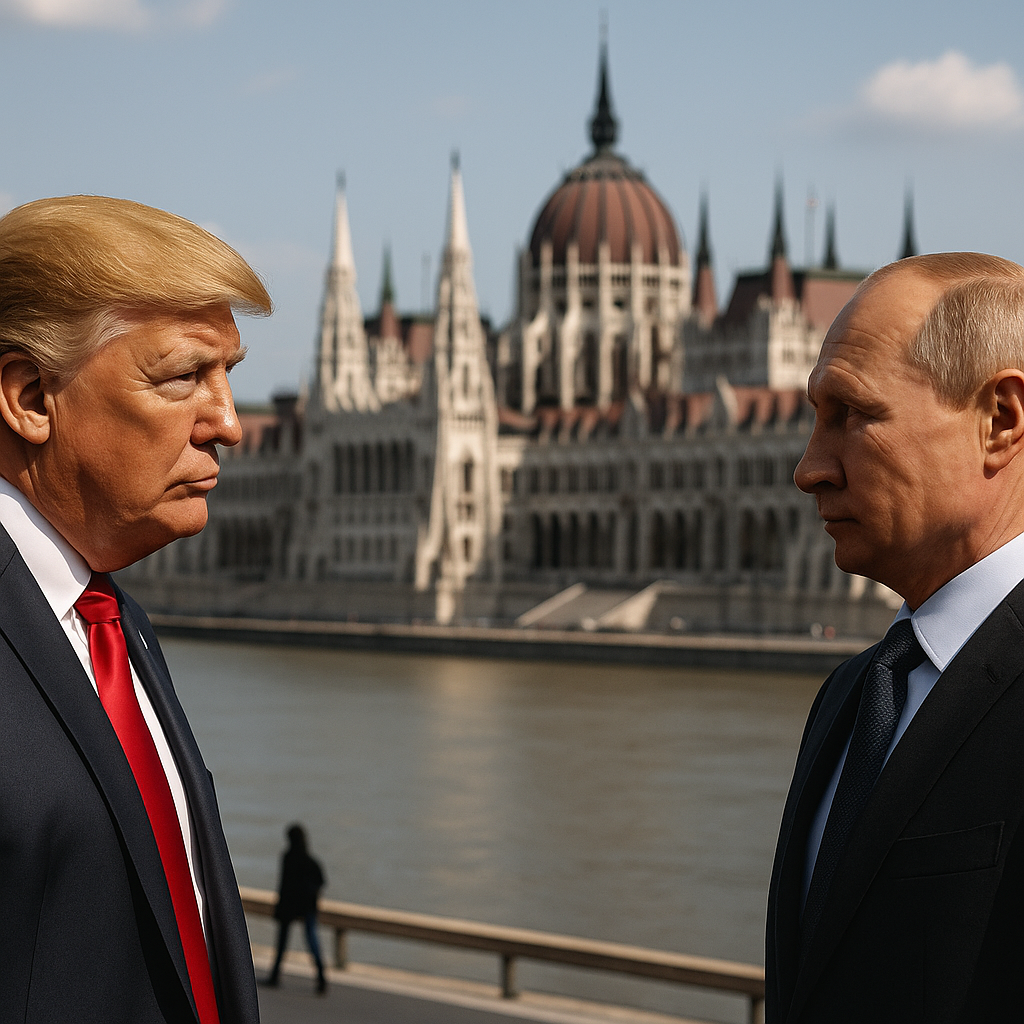
For the Hungarian voter, the appeal of Trump’s influence on Hungarian voters likely lies in the promise of a powerful ally who rejects the constraints of traditional European diplomacy. For Orbán, the endorsement serves as a shield against criticism from Brussels and a signal to his base that he has the backing of the world’s most powerful leader, regardless of domestic poll numbers.
Although, the effectiveness of this strategy remains to be seen. While the rally provided a momentary surge of visibility and enthusiasm, the fundamental issues driving Hungarian voters—including economic concerns and the state of democratic institutions—may prove more influential than the approval of a foreign president.
Key Dimensions of the Trump-Orbán Partnership
| Actor | Action/Statement | Strategic Goal |
|---|---|---|
| Donald Trump | Phone endorsement: “I’m with him all the way” | Ideological alignment and global populist support |
| JD Vance | Budapest visit and rally appearance | Direct electoral boost for Orbán ahead of polls |
| Marco Rubio | February visit: “Hungary’s success is our success” | Institutionalizing the U.S.-Hungary alliance |
What Happens Next?
The immediate focus now shifts to the results of the Hungarian parliamentary elections. This vote will serve as a litmus test for the “Trump effect” in Europe. If Orbán manages to overcome his polling deficit and secure a victory, it will be viewed as a validation of the MAGA movement’s ability to project power and influence foreign democratic processes.
Conversely, a defeat or a significantly weakened mandate for Orbán would suggest that the allure of international populist alliances has a ceiling when faced with local economic and social realities. The outcome will likely dictate how the Trump administration approaches other right-wing movements across the European Union in the coming years.
The next confirmed checkpoint will be the official release of the election results following the close of polls this weekend. We will continue to monitor the developments in Budapest to see if the high-profile support from Washington translates into votes at the ballot box.
Do you believe foreign endorsements should play a role in domestic elections? Share your thoughts in the comments below or share this report with your network.