
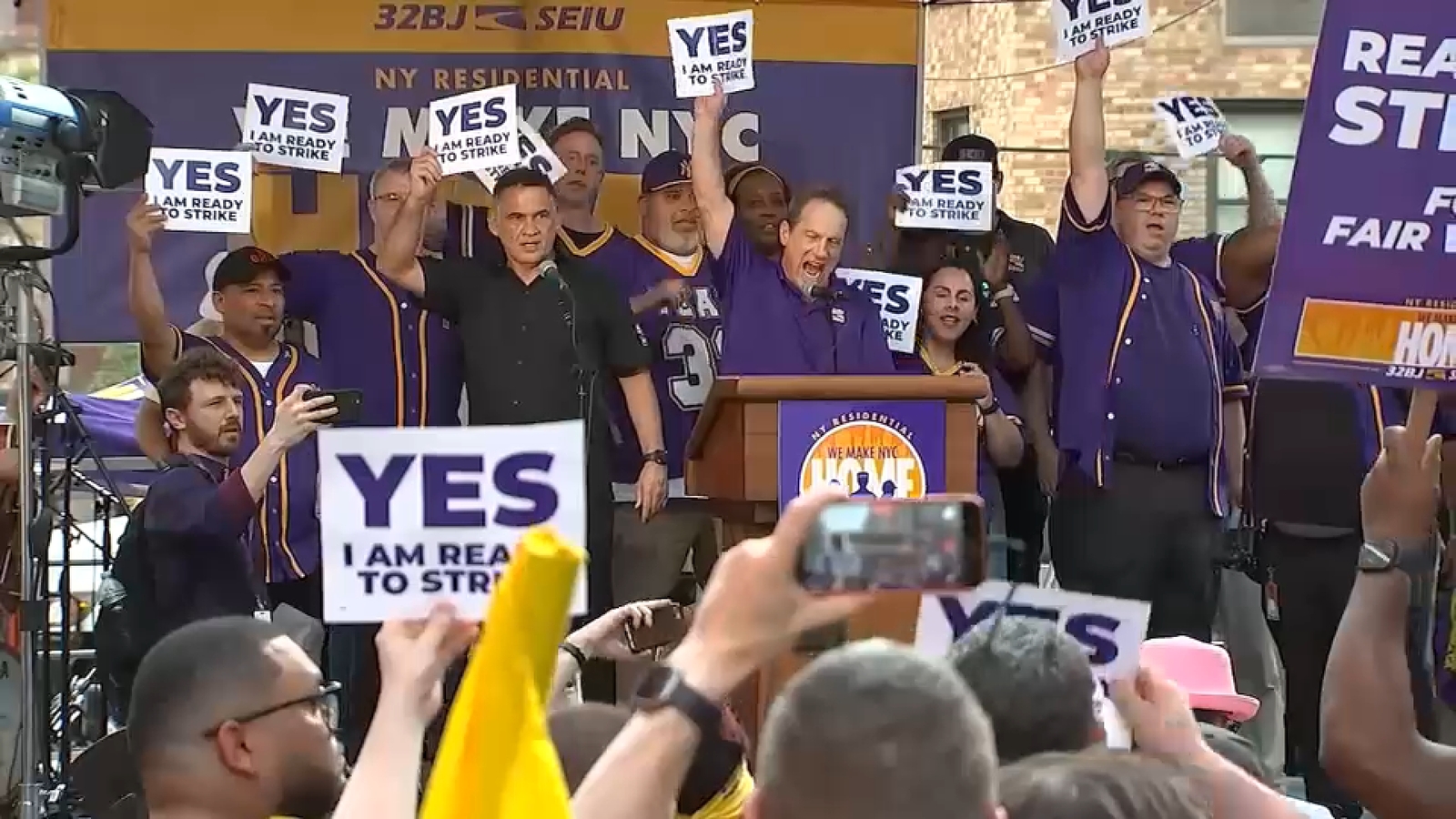
New York City’s residential building workers and their employers have reached a tentative agreement that averts a potential strike, according to multiple verified reports. The deal comes after more than 34,000 members of Service Employees International Union Local 32BJ voted to authorize a work stoppage earlier in the week, with their existing contract set to expire on April 20, 2026.
The agreement was announced following intense negotiations between the union and the Realty Advisory Board on Labor Relations, which represents thousands of building owners across the city. Both sides confirmed the deal prevents what would have been the first strike by building service workers in New York City since 1991, potentially affecting over a million residents in thousands of residential buildings.
While specific terms of the new contract have not been publicly disclosed, union officials indicated that the agreement addresses their primary concerns regarding wages, healthcare contributions, and retirement benefits. The Realty Advisory Board had previously argued that the existing healthcare model—where employers cover full family coverage without employee contributions—was financially unsustainable, citing data showing average doorperson earnings of approximately $62,000 annually while employer costs exceeded $112,000 per worker largely due to healthcare expenses.
Mayor Zohran Mamdani, who attended a pre-vote rally of approximately 10,000 workers on Park Avenue in Manhattan’s Upper East Side, publicly supported the union’s position during negotiations. At the rally, he stated, “We have your back. We love 32BJ and we are here to make sure you are getting the pay and the health care and the dignity you deserve,” echoing sentiments expressed by City Council Speaker Julie Menin, who similarly participated in the event.
The potential strike had drawn significant attention due to its wide-reaching impact on daily life in New York City residential buildings. Building service workers perform essential functions including doorman duties, package acceptance, trash removal, cleaning, maintenance, and concierge services across co-ops, apartments, and condominiums. Union leaders noted that their members serve approximately 600,000 residential units in 3,500 buildings throughout the boroughs except the Bronx.
Industry analysts observed that the negotiations occurred against a backdrop of persistent inflation affecting workers’ purchasing power. One longtime doorman interviewed prior to the vote noted that his hourly wage of about $30 had seen minimal real growth since he began working in 1995, stating that inflation had eroded the value of his earnings to levels comparable to his starting wage of roughly $13 per hour when adjusted for cost-of-living changes.
The tentative agreement now moves to the ratification stage, where union members will vote on whether to accept the negotiated terms. If approved, the new contract would replace the expiring four-year agreement and establish terms for the coming years. Union officials have not announced a specific date for the ratification vote but indicated it would occur in the near future.
Building owners represented by the Realty Advisory Board have similarly not released detailed terms of the deal but confirmed that an agreement had been reached to avoid workplace disruption. Both parties emphasized their commitment to maintaining stable labor relations in the residential building sector, which plays a critical role in New York City’s housing infrastructure.
The development marks a significant moment in labor relations for one of the city’s largest public-sector unions. Local 32BJ SEIU represents not only residential building workers but also commercial property employees, airport workers, and other service industry personnel across the Northeast United States.
As the ratification process unfolds, both union leadership and employer representatives are expected to communicate details of the agreement to their respective constituencies. The outcome will determine whether the tentative deal becomes binding and sets the framework for wages, benefits, and working conditions for tens of thousands of building service employees in New York City.
For ongoing updates on the contract ratification vote and implementation details, readers can monitor official communications from Service Employees International Union Local 32BJ and the Realty Advisory Board on Labor Relations.
What are your thoughts on this development in New York City labor relations? Share your perspective in the comments below and help spread awareness by sharing this article with your network.