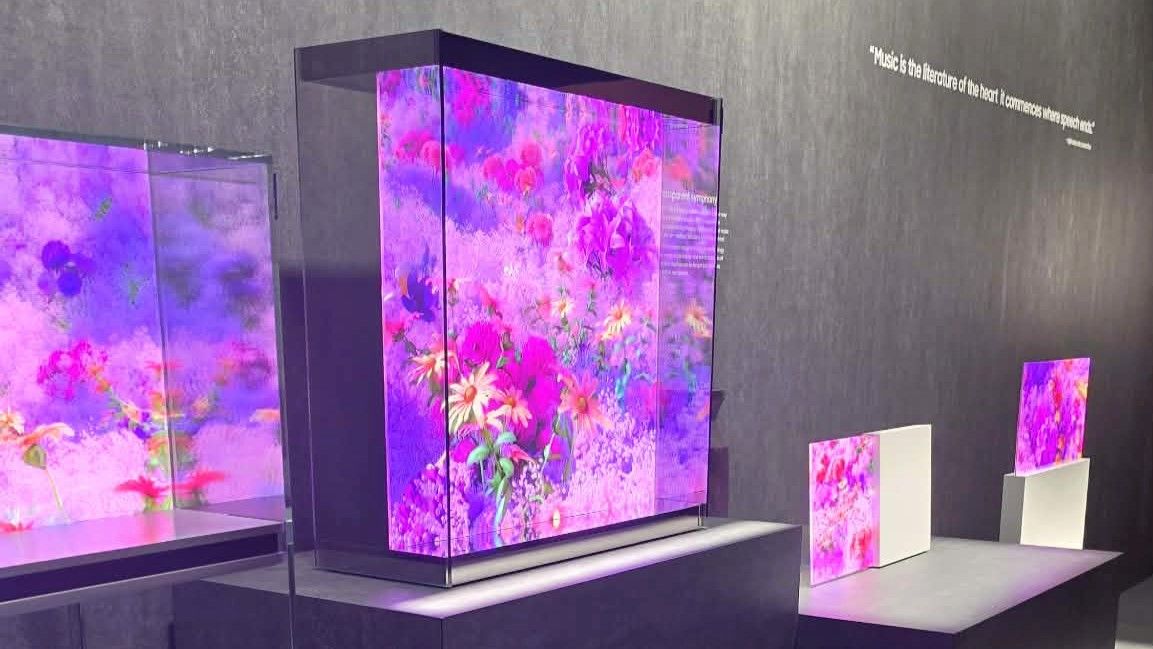
Samsung Unveils Vision of AI as a Lifelong Companion at Milan Design Week
At Milan Design Week 2024, Samsung Electronics presented a forward-looking vision in which artificial intelligence evolves from a reactive tool into a persistent, empathetic presence woven into the fabric of daily life. The company’s exhibition, titled “AI for All: Living with Intelligence,” showcased concept devices and interface prototypes designed to learn user habits, anticipate needs and adapt across environments — from home to commute to workplace. Central to the display was the idea of AI as a “friend” that accompanies individuals throughout their lifespan, offering contextual support without intrusion.
The installation featured ambient displays, wearable-integrated sensors, and prototype home hubs that used on-device machine learning to personalize interactions in real time. Unlike current voice assistants that respond only to direct commands, Samsung’s conceptual framework emphasizes continuous, low-friction engagement — such as adjusting lighting based on mood detected through biometric cues or suggesting breaks when stress markers rise during work sessions. These concepts build on Samsung’s existing AI ecosystem, including Bixby and SmartThings, but push toward a more anticipatory model grounded in longitudinal user understanding.
Industry analysts note that this direction aligns with broader trends in human-centered AI development, where trust and emotional resonance are becoming as key as functional accuracy. As Samsung seeks to differentiate its consumer electronics in a saturated market, the Milan showcase signals a strategic shift from feature-driven innovation to experience-led design — one that prioritizes seamless integration over novelty.
From Micro RGB to Vision AI: Samsung’s Evolving Display Intelligence
Samsung’s advancements in display technology continue to serve as the foundation for its AI ambitions. At the heart of its latest QD-OLED and Neo QLED panels is Micro RGB LED architecture, which enables precise pixel-level control over color, brightness, and contrast. This granular control not only enhances picture quality but also allows for dynamic adjustments driven by AI — such as optimizing visibility in bright rooms or reducing blue light emission during evening hours based on circadian rhythm models.
The company’s Vision AI Companion, introduced in select 2024 TV models, leverages this hardware sophistication to deliver context-aware features like automatic content recognition, scene-based audio tuning, and gaze-tracking interfaces that let users navigate menus without a remote. These capabilities rely on neural processing units embedded in the TV’s mainboard, which perform inference locally to minimize latency and protect user privacy — a growing concern in ambient AI systems.
Verification from Samsung’s official technical documentation confirms that Vision AI uses on-device AI to analyze viewing patterns and environmental sensors, enabling features such as Adaptive Picture Pro and Object Tracking Sound+. These functions do not require cloud connectivity for core operation, addressing one of the key barriers to widespread adoption of always-on AI in consumer devices.
Design Philosophy: Technology That Recedes Into the Background
A recurring theme in Samsung’s Milan presentation was the principle of “invisible technology” — the idea that the most advanced systems should perceive intuitive, unobtrusive, and eventually forgettable. Designers emphasized materials like recycled aluminum, bio-based plastics, and seamless glass surfaces to create devices that blend into domestic environments rather than dominate them. This approach reflects a maturing consumer preference for technology that supports well-being without demanding constant attention.
The exhibition also highlighted Samsung’s collaboration with the Milan-based design studio Formafantasma, known for its work in sustainable material innovation. Together, they explored how AI-driven devices could extend product lifespans through modular upgrades and predictive maintenance alerts — reducing electronic waste while maintaining performance relevance over years of use.
This focus on longevity contrasts with the typical two-year upgrade cycle prevalent in consumer electronics. By positioning AI as a long-term companion that evolves with the user — learning new habits, adapting to life changes such as parenthood or retirement, and offering intergenerational usability — Samsung aims to reframe the relationship between people and their devices.
Global Implications and Market Readiness
While the concepts shown in Milan remain largely prototypical, elements are expected to trickle into Samsung’s consumer lineup over the next 18 to 24 months. The company has already begun integrating similar AI-driven personalization features in its Galaxy Watch6 series and Bespoke Home appliances, suggesting a cross-product strategy aimed at creating a unified intelligent environment.
Market researchers at Counterpoint note that consumer readiness for ambient AI varies significantly by region, with higher acceptance in East Asia and Northern Europe compared to North America, where privacy concerns remain a barrier. Samsung’s emphasis on on-device processing and transparent data policies may help bridge this gap, particularly as regulatory frameworks like the EU AI Act begin to shape expectations for transparency and accountability in consumer AI systems.
As of May 2024, Samsung has not announced a specific release date for products directly inspired by the Milan exhibition. Yet, the company confirmed during its Q1 earnings call that investments in ambient intelligence and contextual AI represent a top-three priority for its Device Solutions division through 2025.
For readers interested in tracking Samsung’s AI developments, official updates are typically shared through its global newsroom Samsung Newsroom and its developer-focused platform Samsung Developer Conference channels.
As ambient AI moves from concept to reality, the challenge will be balancing innovation with ethical design — ensuring that systems meant to accompany us through life do so with consent, clarity, and respect for human autonomy. Samsung’s Milan vision offers a compelling glimpse of what that future might look like, but its success will ultimately depend on how well it translates technological promise into lived experience.
What are your thoughts on AI as a lifelong companion? Share your perspective in the comments below, and consider sharing this article if it sparked new ideas about the role of technology in everyday life.
Related reading