NYC Cellphone Ban in Schools: A Week In, Challenges & Chromebook Boost
less than a week into the new school year, New York City’s ambitious ban on cellphones and other electronic devices in public schools is already facing real-world tests. While the policy aims to refocus classroom attention, students are adapting – and sometimes, attempting to circumvent – the new rules. This rollout coincides with a notable $300 million investment in classroom technology, including 350,000 Chromebooks, designed to bridge the digital divide. But is a ban the right approach, and can technology truly level the playing field?
The New Rules: More Than Just Cellphones
The ban extends beyond smartphones, encompassing a wide range of electronic devices, including popular accessories like AirPods. This broader scope has surprised some students. “The bigger thing was all electronic devices in total,” explained high school senior Olivia Roman.”Before, we were able to bring in our AirPods.”
The initial adjustment hasn’t been easy for everyone. senior Ambar Sanchez admitted missing her device, but acknowledged, “I’m studious and I don’t mind not having something to distract me.” However, the policy’s effectiveness hinges on consistent enforcement, and reports suggest some students are already seeking loopholes.
The “Burner Phone” Problem & Official Response
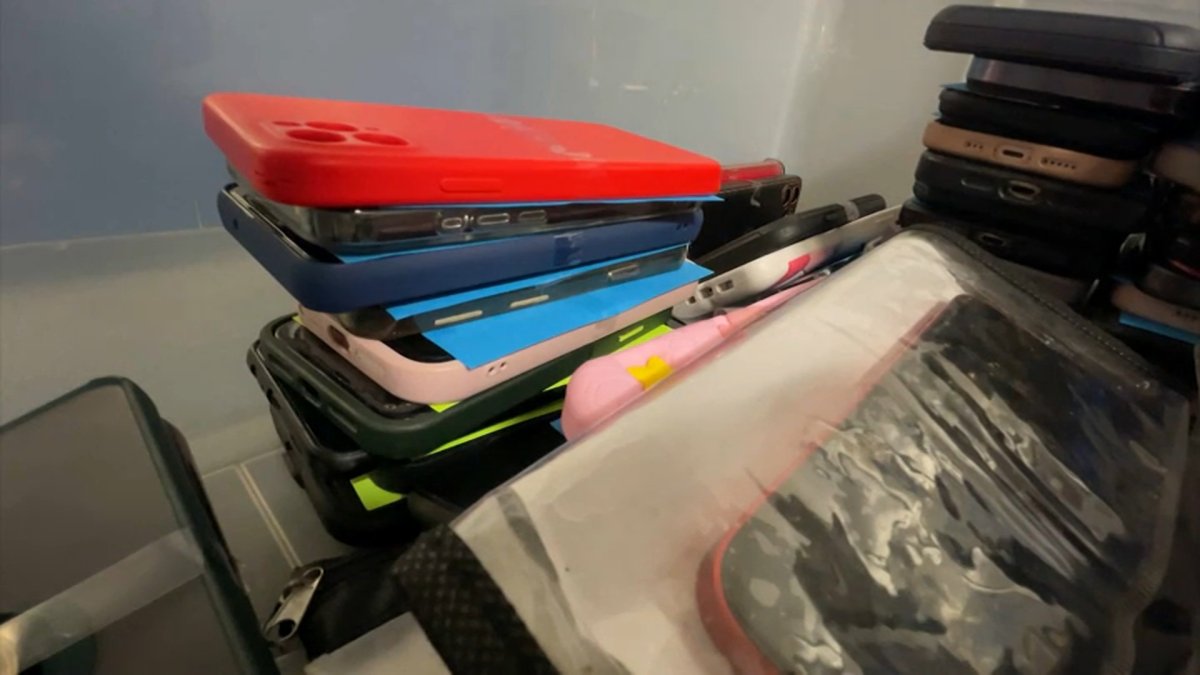
Principals have observed students attempting to bypass the ban by concealing backup phones within the school-issued pouches intended for device storage. NYC Schools Chancellor Melissa Aviles-Ramos anticipated this resistance. “What I know is always expect young people to try and work around us,” she stated, acknowledging the ingenuity of students.
mayor Eric Adams downplayed the concerns, framing the attempts as a natural part of youth culture and a display of creativity. “This is all part of their creative spirit and energy,” Adams said. “Let’s not act like when we were in school, we didn’t have all our little tricks.”
Bridging the Digital Divide with Chromebooks
Alongside the ban, the city is making a ample investment in technology.The rollout of 350,000 Chromebooks, a joint effort with T-Mobile and Dell, aims to address the significant issue of unequal access to technology outside of school.
“it’s a shame that we have so many people that go home and they don’t have access to internet at home,” explained Matthew Fraser, the city’s chief technology officer. “The connectivity that we’re providing today, the devices we’re providing today, is a lifeline for the future writers, for the future leaders of the city.”
This initiative is crucial. Reliable internet access and personal devices are increasingly essential for completing homework, conducting research, and developing vital digital literacy skills. The Chromebook programme represents a proactive step towards ensuring all students have the tools they need to succeed.
A Balancing Act: Focus vs. Access
City officials emphasize the cellphone ban isn’t about rejecting technology, but about minimizing classroom distractions. The goal is to create a more focused learning environment. The Chromebook program, they argue, demonstrates a commitment to expanding access to learning resources.
The success of this dual approach – restriction coupled with investment – remains to be seen.It requires ongoing evaluation, adaptation, and open communication between educators, students, and parents.
Evergreen Insights: The Evolving Role of Technology in Education
The debate surrounding cellphones in schools isn’t unique to New York City. It reflects a broader, ongoing conversation about the role of technology in education.For decades, schools have grappled with integrating new technologies effectively. From the introduction of computers to the rise of the internet, each wave of innovation has presented both opportunities and challenges.The key lies in finding a balance. Technology, when used thoughtfully, can be a powerful tool for enhancing learning, fostering creativity, and preparing students for the demands of the 21st century. However, it’s equally vital to recognize the potential for distraction, inequity, and the need for responsible digital citizenship. The most effective strategies will likely involve a combination of policies, professional development for teachers, and ongoing dialog about the ethical and pedagogical implications of technology in the classroom.
FAQ: NYC Cellphone Ban & Chromebook Initiative
1.What is the new cellphone policy in NYC public schools? the new policy bans all personal electronic devices, including cellphones and AirPods, during the school day.
2. Why is NYC banning cellphones in schools? The ban aims to reduce distractions in the classroom and improve student focus on learning.
**3. What is NYC doing to