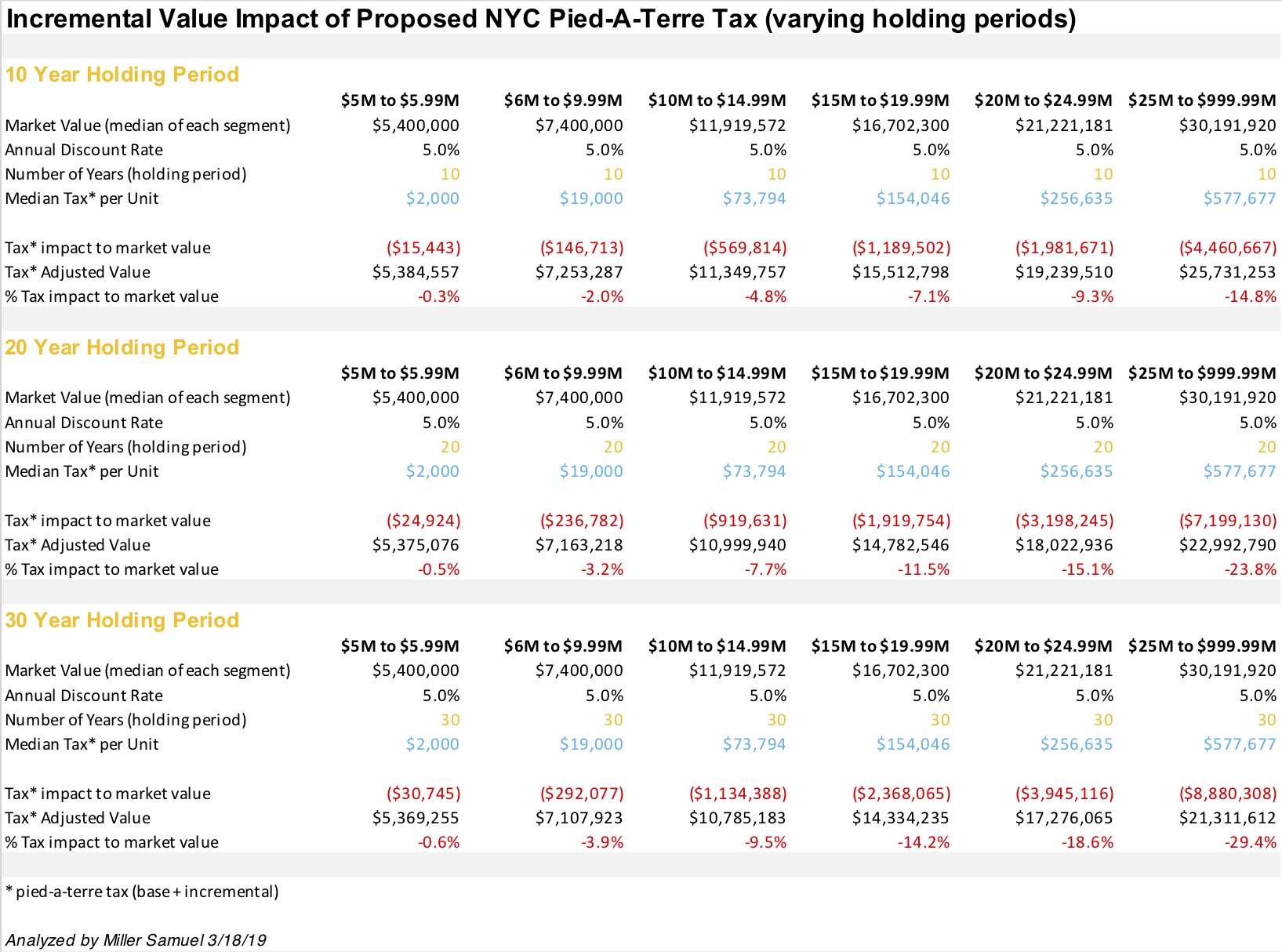
New York State Governor Kathy Hochul and State Assemblymember Zohran Mamdani have proposed a new tax targeting luxury second homes valued at $5 million or more, sparking strong reactions from business leaders and Wall Street executives. The proposal, announced in April 2026, would impose an annual pied-à-terre tax on non-primary residences in New York City that meet the valuation threshold. Supporters argue the measure aims to address housing inequality and generate revenue for public services, while critics contend it could drive away wealthy residents and harm the city’s economic competitiveness.
The tax plan specifically applies to secondary properties, not primary residences and is designed to affect only a small segment of high-value real estate owners. According to the Governor’s office, the initiative seeks to ensure that those who own multiple luxury properties contribute fairly to the state’s fiscal needs. The proposal comes amid ongoing debates about tax fairness and housing affordability in New York, particularly following recent discussions about the city’s high cost of living and limited availability of affordable units.
Business leaders and financial industry representatives have voiced significant opposition to the plan, with some describing the potential impact using phrases like “NYC is cooked” in private conversations and industry forums. Critics argue that such a tax could incentivize wealthy individuals to relocate to states with more favorable tax policies, potentially reducing investment and philanthropic activity in New York. Wall Street figures have been particularly vocal, expressing concerns that the measure might undermine the city’s status as a global financial hub.
Governor Hochul defended the proposal during a recent press briefing, stating that the tax is narrowly targeted and intended to promote equity in the housing market. She emphasized that the majority of New Yorkers would not be affected, as the threshold applies only to second homes valued at $5 million or above. The Governor’s office estimates that the tax could generate hundreds of millions of dollars annually in new state revenue, though exact projections have not been finalized.
Assemblymember Mamdani, a co-sponsor of the legislation, has framed the tax as a necessary step toward addressing wealth disparity in New York. He has pointed to examples of luxury properties owned by prominent financiers as illustrations of the type of secondary residences the policy aims to address. Mamdani has argued that the revenue generated could be directed toward affordable housing initiatives, infrastructure improvements, and other public priorities.
The proposal has drawn comparisons to similar pied-à-terre taxes previously considered in New York City, including a version that was debated but not enacted several years ago. Earlier iterations of such taxes faced legal challenges and concerns about enforcement mechanisms, particularly regarding how property usage and occupancy would be monitored and verified by tax authorities.
Real estate industry groups have warned that the tax could have unintended consequences for the broader property market, potentially affecting related industries such as construction, interior design, and luxury retail. Some analysts suggest that even if the number of directly affected properties is relatively small, the psychological impact on investor confidence could be significant, especially if perceived as part of a broader trend toward higher taxation on wealth.
Opposition to the tax has also come from certain political quarters, with former President Donald Trump publicly criticizing the plan on social media, claiming it would “destroy New York” by driving away successful residents and businesses. His comments have been echoed by some conservative commentators who argue that progressive tax policies risk undermining economic growth and innovation in urban centers.
Supporters counter that many global cities have implemented similar measures targeting vacant or underused luxury properties, citing examples from places like Singapore, Vancouver, and certain European municipalities. They argue that such policies can aid stabilize housing markets by discouraging speculative investment in high-end real estate that remains unoccupied for much of the year.
The New York State Department of Taxation and Finance would be responsible for administering the tax if enacted, though specific procedures for valuation, reporting, and compliance have not yet been detailed. Questions remain about how the state would determine whether a property qualifies as a second home versus a primary residence, particularly in cases where owners split time between multiple locations.
Legal experts note that any enacted tax would likely face scrutiny under state constitutional provisions related to taxation and uniformity, although similar targeted taxes have been upheld in other jurisdictions when narrowly defined and rationally related to a legitimate state interest. The proposal would require approval from both the State Assembly and State Senate before reaching the Governor’s desk for signature.
As of mid-April 2026, the legislation is still in the early stages of the legislative process, with committee hearings expected in the coming weeks. No vote has been scheduled in either chamber, and the bill’s prospects remain uncertain amid competing budget priorities and divergent opinions among lawmakers.
For the latest updates on the proposed luxury second-home tax, readers can monitor the official website of the New York State Legislature or the Governor’s press office for announcements regarding hearings, amendments, and potential votes. Public comment periods may be announced as the bill advances through committee review.
What do you think about the proposed tax on luxury second homes in New York? Share your perspective in the comments below, and consider sharing this article with others interested in state policy and urban economics.
Worth a look