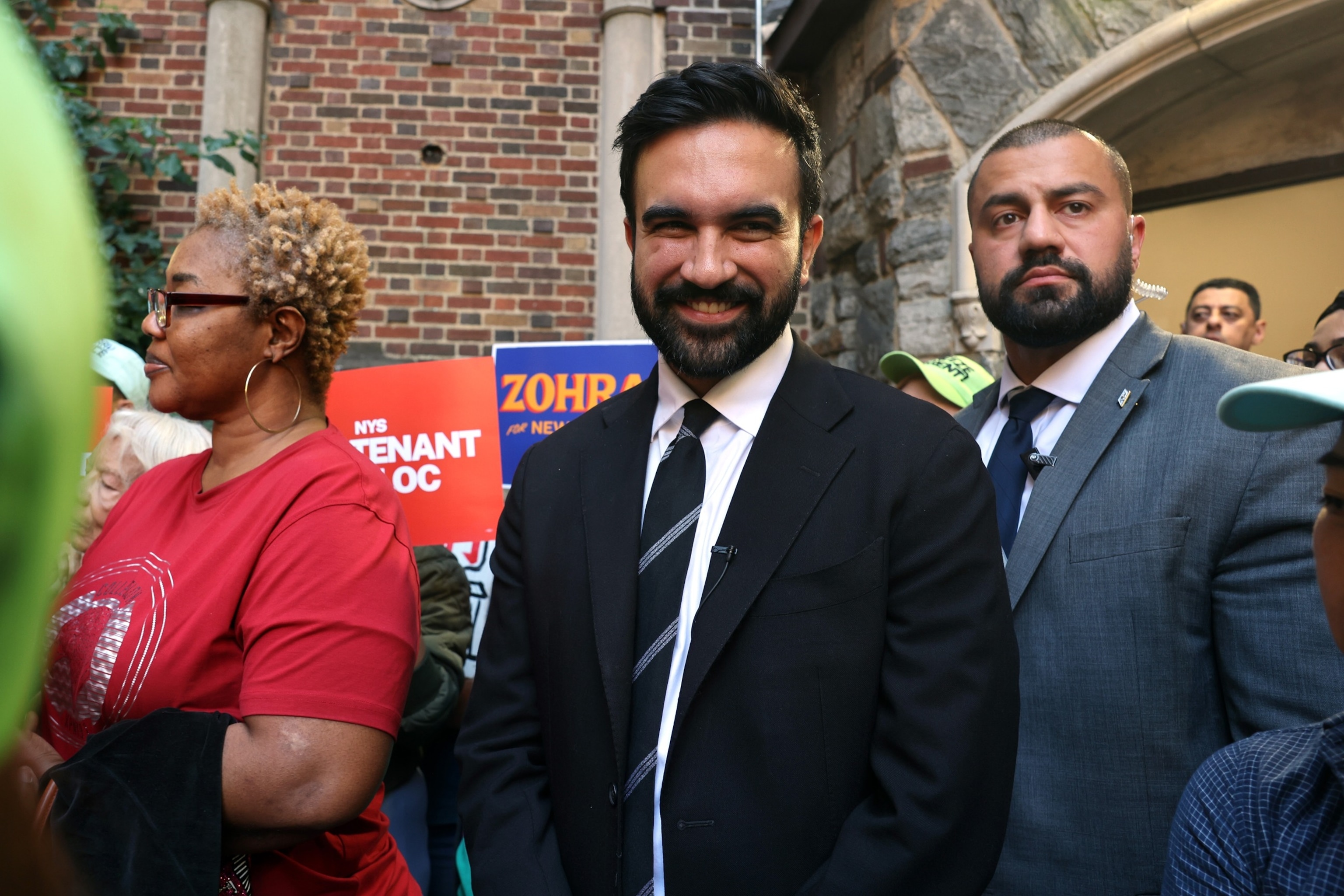
New York City Mayor Zohran Mamdani has officially signaled a shift in the administrative landscape of the five boroughs by announcing the formation of the Commission on Government Efficiency (COGE). This initiative arrives at a pivotal moment for the municipal government, aiming to streamline bureaucratic processes and optimize the delivery of essential services to millions of New Yorkers. The announcement marks a departure from previous administrative approaches, setting the stage for a comprehensive internal audit of city agency operations and fiscal management.
The establishment of the commission is part of a broader, stated effort to modernize how the city handles its day-to-day functions. By prioritizing the identification of redundant systems and outdated protocols, the administration seeks to ensure that taxpayer dollars are directed toward high-impact services rather than administrative overhead. For residents, this move represents a significant test of the administration’s ability to balance fiscal discipline with the ongoing demands of a major metropolitan government, as reported by the Official Website of the City of New York.
As we observe these developments from London, the parallels to global trends in public sector reform are evident. The debate surrounding government efficiency, often characterized by a push for leaner operations, has become a focal point of contemporary political discourse. The success of this commission will depend heavily on its mandate, the transparency of its findings, and the willingness of city agencies to adapt to the recommendations that emerge from its review process.
Defining the Mandate of the Commission on Government Efficiency
The core objective of the newly formed Commission on Government Efficiency is to conduct a top-to-bottom review of city operations. This includes an assessment of procurement procedures, personnel management, and the technological infrastructure that underpins municipal service delivery. According to the Mayor’s official briefing, the commission is tasked with identifying “low-hanging fruit”—areas where minor adjustments to policy or procedure could lead to immediate improvements in service speed and cost-effectiveness.
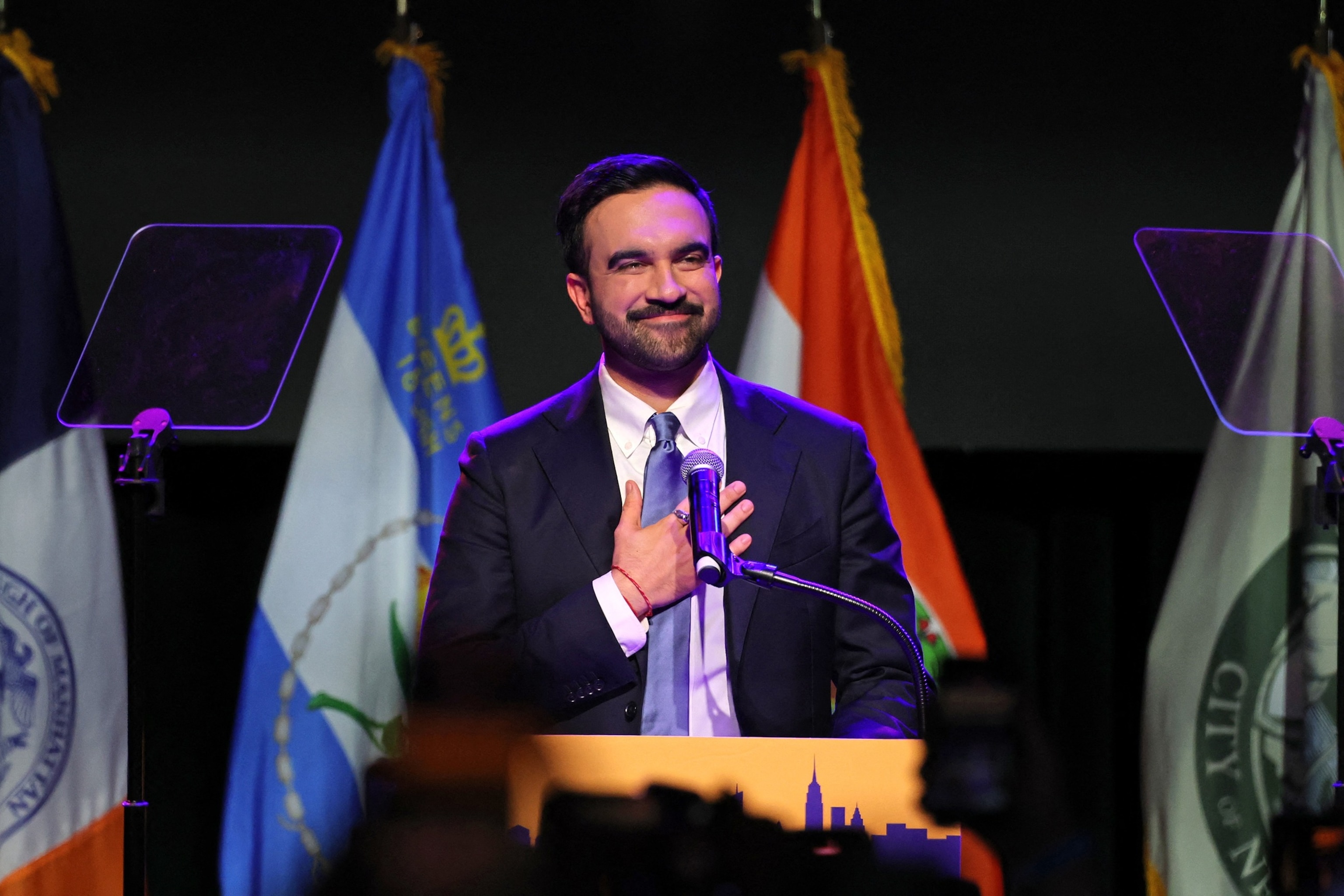
Unlike previous efforts, which have sometimes been criticized for being insular or lacking in scope, this commission is expected to incorporate data-driven analysis to justify its recommendations. The emphasis is on “making government work better,” a phrase that has become a cornerstone of the Mayor’s current policy platform. For stakeholders, this means that every department, from sanitation to public housing, could potentially be subject to new performance benchmarks aimed at reducing the friction often associated with interacting with city government.
Contextualizing the Shift in Municipal Policy
The decision to launch COGE follows a period of intense public debate regarding the efficacy of existing city commissions. In recent months, local political observers have noted a transition away from entities established under the previous administration, with the Mayor prioritizing a fresh start to align with his specific vision for municipal governance. This transition is not merely symbolic; it involves the formal winding down of previous mandates and the reallocation of resources to support the new commission’s work, as noted in reports from Politico.
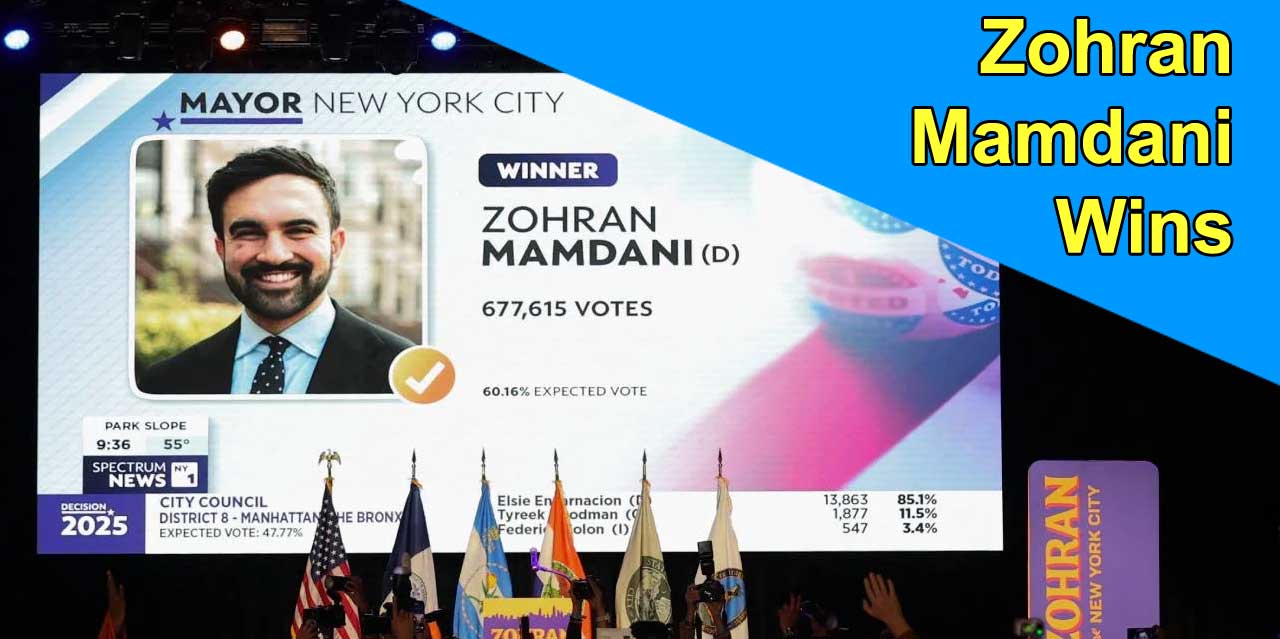
The timing of this announcement has drawn comparisons to various public sector reform efforts seen in both national and international contexts. While some critics have pointed to similarities between this commission and other high-profile efficiency task forces, the administration maintains that the focus remains strictly on the unique operational needs of New York City. The challenge, as always, lies in the implementation phase, where the theoretical benefits of efficiency must be reconciled with the realities of labor contracts, legal constraints, and the essential nature of public services.
What This Means for New Yorkers
the impact of the Commission on Government Efficiency will be measured by its tangible results. Residents who frequently interact with city agencies—whether applying for permits, seeking social services, or reporting infrastructure issues—are the primary stakeholders in this process. If the commission succeeds in reducing wait times and simplifying digital interfaces, the benefits will be felt across all five boroughs.
However, the process is likely to face scrutiny from those concerned about potential service cuts or the impact on the municipal workforce. Transparency will be essential to maintaining public trust throughout the commission’s tenure. Interested parties can track the commission’s progress through the City’s official portals, where updates on hearings, public reports, and administrative findings are expected to be published as the project advances.
Key Takeaways for Residents and Stakeholders
- Scope of Review: The commission will audit agency operations, procurement, and administrative protocols to identify areas for improvement.
- Objective: To enhance the speed and quality of municipal services while ensuring fiscal responsibility.
- Policy Transition: The move represents a formal shift in administrative priority, moving away from previous commission models to a new, centralized approach.
- Public Engagement: The administration has indicated that the commission’s findings will be utilized to shape future budgetary and operational decisions.
Looking Ahead: The Path to Reform
The commission is currently in its initial phase, focusing on the recruitment of advisors and the establishment of its internal review structure. The next major checkpoint for the public will be the release of the commission’s preliminary findings, which are expected to outline the most pressing areas for reform. As an investigative journalist, I will be monitoring the commission’s progress, particularly regarding the publication of its data and the extent to which its recommendations are adopted by city agencies.

For those interested in the future of New York City’s governance, staying informed through official municipal channels is crucial. As the commission begins its work, the public should look for announcements regarding upcoming public hearings and opportunities for stakeholder feedback. The road to government efficiency is rarely straightforward, but it remains a vital component of a functioning, modern city. We encourage our readers to share their thoughts on these developments in the comments section below as we continue to track this evolving story.
Keep reading