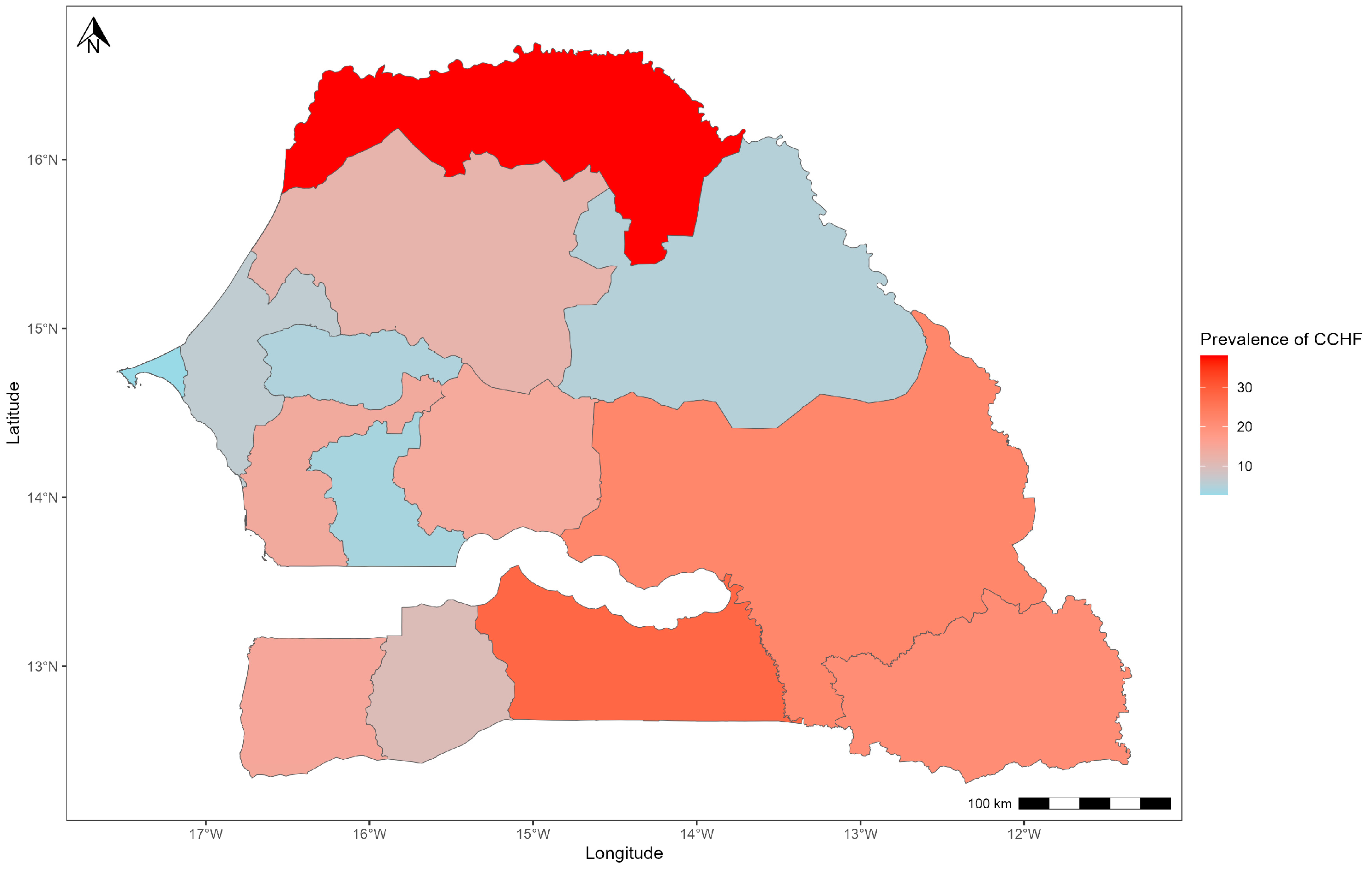
Health authorities in Senegal have confirmed the emergence of new cases of Crimean-Congo Hemorrhagic Fever (CCHF), a viral disease transmitted primarily by ticks and contact with infected livestock. As an editor tracking global health security, I have examined the recent reports detailing the identification of two additional patients within the country. This development has prompted renewed vigilance among regional health surveillance networks, which are tasked with containing the spread of zoonotic pathogens that pose significant risks to both agricultural workers and rural communities.
Crimean-Congo Hemorrhagic Fever is a widespread disease caused by a tick-borne virus (Nairovirus) of the Bunyaviridae family. According to the World Health Organization (WHO), the virus has a high case fatality rate, ranging from 10% to 40% in documented outbreaks. Transmission occurs through bites from infected Hyalomma ticks or through direct contact with the blood or tissues of infected livestock during and immediately after slaughter. The current situation in Senegal highlights the ongoing challenge of managing viral hemorrhagic fevers in regions where pastoralist activities and tick-borne disease vectors intersect.
Understanding the Pathogen and Transmission Risks
The virus responsible for CCHF is endemic in many countries across Africa, the Balkans, the Middle East, and Asia. In Senegal, the Institut Pasteur de Dakar plays a critical role in the surveillance and diagnostic confirmation of such viral threats. The primary vectors, ticks of the genus Hyalomma, are hardy and adaptable, often found on cattle, sheep, and goats. Humans typically contract the virus through the crushing of infected ticks or via exposure to the fluids of viremic animals.

Clinical presentation of the disease often begins suddenly, with symptoms including fever, myalgia, dizziness, neck pain and stiffness, backache, headache, sore eyes, and photophobia. As the disease progresses, patients may experience severe bruising, nosebleeds, and uncontrolled bleeding at injection sites. Because there is no widely available vaccine for humans, prevention relies heavily on raising public awareness about the risks associated with tick exposure and the importance of protective measures when handling livestock.
Public Health Surveillance in Senegal
The recent identification of these cases in Senegal underscores the importance of the country’s Integrated Disease Surveillance and Response (IDSR) system. Health officials work to trace contacts of infected individuals to prevent community transmission. Unlike some other hemorrhagic fevers, CCHF can also be transmitted from person to person through close contact with the blood, secretions, organs, or other bodily fluids of infected persons. Hospital-based infection control measures are paramount in preventing secondary outbreaks among healthcare workers and family caregivers.
The European Centre for Disease Prevention and Control (ECDC) notes that diagnostic challenges often delay the identification of CCHF, as early symptoms can mimic those of malaria or other endemic febrile illnesses prevalent in West Africa. The reliance on centralized laboratory testing, such as PCR or ELISA-based antibody detection, remains the gold standard for confirming a diagnosis during the acute phase of infection.
Preventative Measures and Community Safety
For those residing in or traveling to affected regions, health authorities emphasize several key preventative practices:
- Wearing protective clothing, such as long sleeves and trousers, when working in areas where ticks are prevalent.
- Using approved acaricides on livestock to reduce tick populations.
- Implementing strict hygiene protocols when slaughtering or butchering livestock, including the use of gloves and protective gear.
- Avoiding direct contact with the blood or bodily fluids of animals that appear sick.
- Seeking immediate medical attention if a sudden high fever develops following contact with animals or tick-infested environments.
The U.S. Centers for Disease Control and Prevention (CDC) advises that there is no specific antiviral treatment for CCHF, though supportive care—including fluid replacement and management of secondary infections—remains the cornerstone of clinical management. In some cases, the antiviral medication ribavirin has been used with reported success, though its efficacy remains a subject of ongoing clinical study.
What Happens Next
As the Ministry of Health in Senegal continues its epidemiological investigation, the focus will remain on monitoring for additional cases and ensuring that local clinics are equipped with the necessary diagnostic and personal protective equipment (PPE) to manage potential patients safely. Surveillance data is expected to be updated periodically through official channels, including the WHO Regional Office for Africa, which coordinates health security across the continent.
_Costumes_of_West_Africa_-_Foolahs._Interior_of_Africa.jpg/107px-RAMSAY(1830)_Costumes_of_West_Africa_-_Foolahs._Interior_of_Africa.jpg "Senegal")
The international health community continues to monitor these developments closely to determine if the cases represent a seasonal spike or a broader shift in the environmental distribution of the virus. For residents of the affected regions, staying informed through official government health bulletins is the most effective way to stay safe.
I will continue to monitor the situation as further information becomes available from regional health authorities. We encourage our readers to share this information with those who may be working in agricultural sectors, as awareness is the first line of defense against zoonotic outbreaks. Please feel free to share your thoughts or questions in the comments section below.