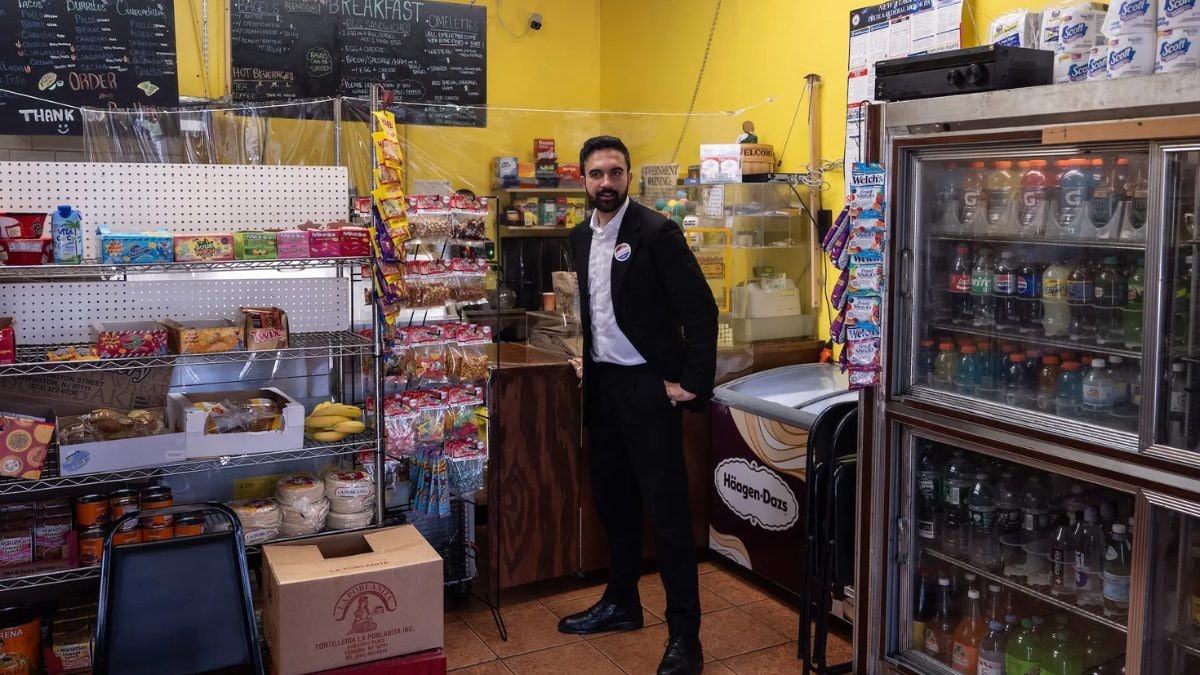
New York City is preparing to enter the retail food market with a bold initiative to establish municipal grocery stores, marking a significant shift in the city’s approach to food security and urban planning. The city administration has announced that these public outlets are slated to begin operations in 2027 according to reports on the municipal grocery store timeline.
Led by Mayor Zohran Mamdani, the project aims to create a city-owned alternative to private retailers, specifically targeting the reduction of food costs for residents. The initiative is designed to provide a stable supply of essential nutrition in areas where affordable options may be limited, effectively utilizing municipal resources to intervene in the local food economy.
The strategy focuses on a targeted pricing model rather than a blanket discount across all inventory. Under the current plan, the city-owned grocery stores will only guarantee lower prices for a core “basket of goods” as detailed in the pricing structure. This approach allows the city to subsidize and stabilize the cost of essential staples while maintaining a viable operational model for other products.
La Marqueta Identified as Premiere Site
In a key development for the rollout, Mayor Mamdani has officially announced La Marqueta as the first site identified for the city’s public grocery stores via NYC.gov. The selection of this location serves as the blueprint for how the city intends to integrate municipal food retail into existing community hubs.
The move to establish a city-run grocery store in this location is part of a broader effort to ensure that high-quality, affordable food is accessible to the public. By owning the infrastructure, the city aims to eliminate the profit margins typically associated with private grocery chains, redirecting that value back to the consumer through the aforementioned core basket of goods.
Understanding the ‘Core Basket of Goods’ Strategy
The decision to limit lower price guarantees to a specific “basket of goods” is a strategic move to balance social welfare with economic sustainability. Rather than attempting to undercut the entire private market—which could lead to unsustainable losses or legal challenges—the city will identify a set of essential items that are critical for a healthy diet and household stability.
This model ensures that the most vulnerable populations have guaranteed access to staples—such as milk, eggs, bread, and fresh produce—at prices lower than those found at commercial retailers according to pricing reports. By focusing on these essentials, the city can more effectively manage subsidies and track the impact of the program on local food insecurity.
Implications for New York City’s Food Infrastructure
The transition toward a municipal grocery store model represents a significant departure from traditional urban food policy, which typically relies on tax incentives to attract private supermarkets to underserved areas. By taking direct ownership, the city assumes the risk and the management of the supply chain, potentially allowing for more direct partnerships with regional farmers and wholesalers.

The 2027 target date provides a window for the city to secure funding, finalize the logistics of the supply chain, and complete the necessary renovations at La Marqueta and subsequent sites as indicated by the project timeline. This phased approach is critical given the complexity of retail operations and the scale of the New York City market.
Key Takeaways of the Municipal Grocery Plan
- Operational Date: The city aims to have the first municipal grocery stores open by 2027.
- Primary Site: La Marqueta has been identified as the first location for this public initiative.
- Pricing Model: Lower prices will be guaranteed specifically for a core “basket of goods” rather than all store inventory.
- Leadership: The initiative is being driven by the administration of Mayor Zohran Mamdani.
As the city moves toward the 2027 launch, the focus will likely shift toward defining the exact contents of the “core basket” and determining how these stores will coexist with existing small businesses and bodegas. The success of the La Marqueta site will likely determine the scale and speed of the expansion to other areas of the city.
The next confirmed checkpoint for this project will be the release of further site identifications and the detailed operational framework for the 2027 opening. We will continue to monitor official updates from the Mayor’s office and NYC.gov.
Do you believe city-run grocery stores are the solution to food insecurity in urban centers? Share your thoughts in the comments below or share this article to join the conversation.
Worth a look