
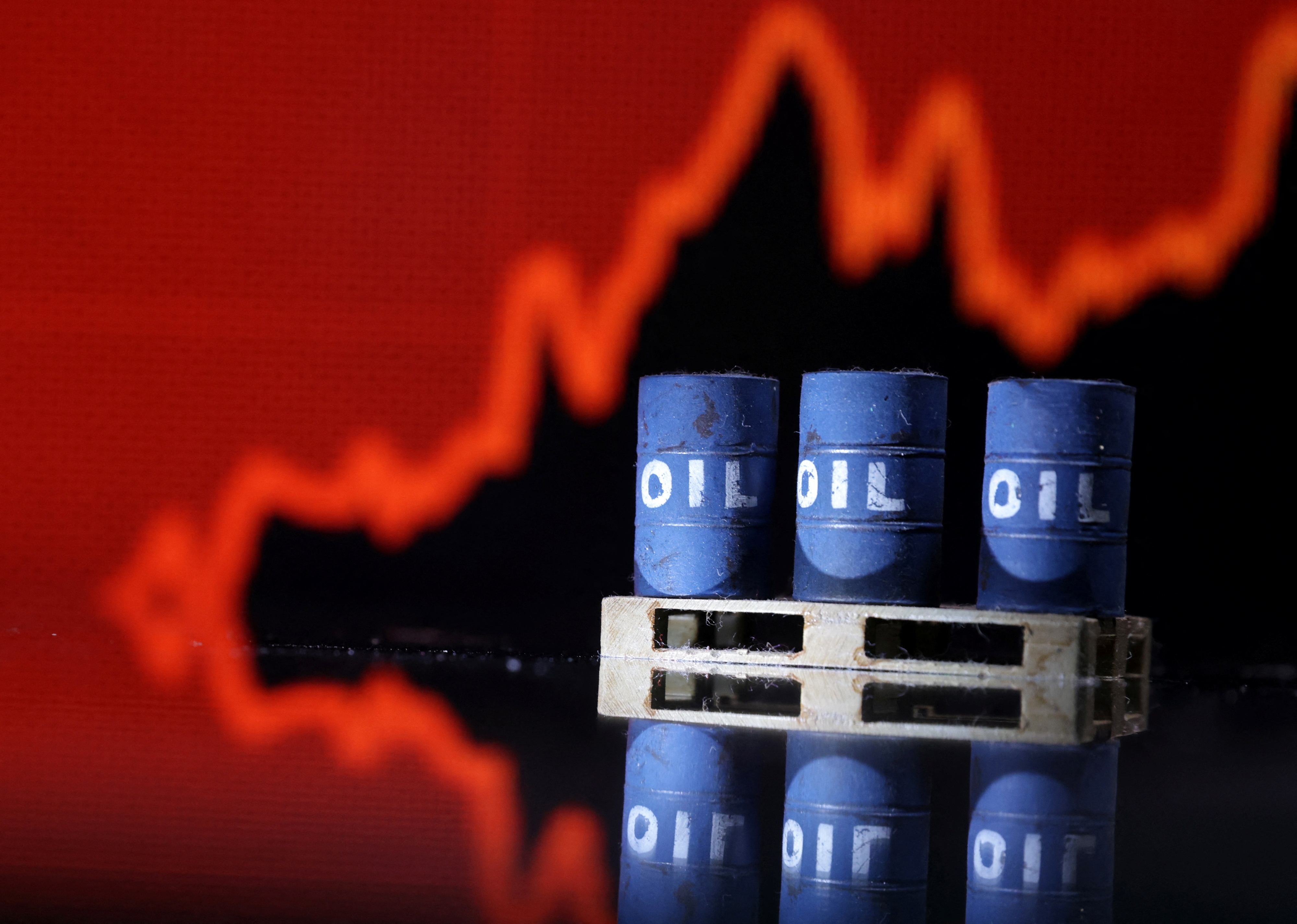
Oil prices pulled back and stocks inched higher on Tuesday as investors weighed the possibility of a second round of peace talks between the United States and Iran, with global markets reacting to renewed diplomatic efforts amid an ongoing regional conflict.
The shift in sentiment came as Pakistani authorities tightened security in Islamabad ahead of potential negotiations, signaling that both Washington and Tehran may be preparing to resume dialogue after a two-week ceasefire neared its expiration date. Market analysts noted that any progress toward de-escalation could ease pressure on global energy supplies and reduce volatility in financial markets.
According to reports from the Associated Press, Pakistani officials began reinforcing checkpoints and deploying paramilitary forces around the capital on Monday in anticipation of the talks, which are expected to involve senior U.S. Envoys including Vice President JD Wade. The heightened security posture underscores the sensitivity of the discussions, which aim to prevent a broader escalation in the Strait of Hormuz—a critical chokepoint for global oil shipments.
Meanwhile, coverage from The New York Times highlighted growing uncertainty around the prospects for a deal, noting that Iranian officials had publicly dismissed U.S. Demands and reiterated their refusal to engage in talks under current conditions. Despite this, the mere prospect of renewed dialogue appeared to influence trader behavior, with Brent crude futures declining slightly and major equity indices showing modest gains during early trading hours.
The connection between geopolitical stability and market performance remains closely watched, particularly as the conflict has already disrupted shipping lanes and contributed to fluctuations in energy pricing. Analysts at major financial institutions have repeatedly cited the Strait of Hormuz as a key vulnerability, given that approximately 20% of global oil consumption passes through the waterway each day.
In related developments, Nicaraguan President Daniel Ortega criticized U.S. President Donald Trump during a public address, accusing him of mental instability over his handling of the war—a remark that drew international attention but did not appear to directly impact market movements. Ortega’s comments were made during a state-broadcast event in Managua and reflected broader international concern over the trajectory of the conflict.
As of Tuesday afternoon, no formal announcement had been made regarding the exact timing or agenda of the proposed talks in Islamabad. However, the movement of security personnel and the positioning of diplomatic teams suggested that preparations were underway behind the scenes.
Market Response to Diplomatic Signals
Financial markets often react swiftly to signals of de-escalation in geopolitical hotspots, and the current situation is no exception. Traders noted that the potential resumption of talks introduced a note of caution into otherwise tense trading environments, allowing for a temporary reprieve in risk-off sentiment.
Energy analysts pointed out that even the perception of progress in negotiations can influence speculative trading in oil markets, where prices are highly sensitive to supply disruptions. A sustained reduction in tensions could lead to increased output from regional producers and fewer insurance premiums on tanker transits, both of which would exert downward pressure on costs.
Equity markets, particularly those with exposure to energy and industrial sectors, appeared to benefit from the shift in tone. While gains were described as modest, they reflected a broader willingness among investors to reassess risk premiums embedded in asset prices since the conflict began in late February.
It remains unclear whether the talks will yield a concrete agreement, but market participants are treating the diplomatic opening as a meaningful development worth monitoring closely in the coming days.
Strait of Hormuz: A Flashpoint in Global Trade
The Strait of Hormuz continues to be a focal point of international concern due to its role as a conduit for liquefied natural gas and crude oil exports from Saudi Arabia, Iran, Iraq, and the United Arab Emirates. Any disruption to traffic through the narrow passage has historically led to immediate spikes in global benchmark prices.
Recent U.S. Military actions, including the interception and seizure of an Iranian vessel over the weekend, have heightened fears of a blockade or mining campaign that could impede commercial shipping. Tehran has responded with verbal threats to close the strait entirely, though no such action has been implemented to date.
Maritime insurance firms have already begun adjusting war risk premiums for vessels operating in the Gulf of Oman and northern Arabian Sea, reflecting the elevated perception of danger. These costs are typically passed along to consumers in the form of higher fuel and goods prices.
International bodies, including the International Maritime Organization, have urged all parties to uphold freedom of navigation under the United Nations Convention on the Law of the Sea, emphasizing that unilateral actions could have far-reaching consequences beyond the immediate region.
Diplomatic Challenges Ahead
Despite the cautious optimism in markets, significant obstacles remain to a lasting agreement. U.S. Officials have insisted on restrictions related to Iran’s nuclear program and regional influence, while Iranian leaders have framed the conflict as a defensive response to economic sanctions and military pressure.
The absence of direct communication channels between the two capitals has complicated efforts to build trust, with intermediaries such as Oman and Qatar having played roles in past negotiations. The choice of Islamabad as a venue suggests Pakistan may be seeking to reassert its influence as a neutral facilitator in regional diplomacy.
Observers noted that the timing of the talks—just before the ceasefire’s expiration—adds urgency to the proceedings, though it also raises questions about whether sufficient groundwork can be laid in such a short window.
What Comes Next
The next key development to watch is whether the proposed talks in Islamabad will proceed as scheduled, with confirmation expected from either the U.S. State Department or Pakistan’s Foreign Ministry in the coming hours. No official statement had been released by early evening local time on Tuesday.

If the discussions do take place, their outcome will likely be assessed through subsequent actions on the ground—such as any adjustments to naval deployments, changes in port access restrictions, or public statements from military commanders.
Until then, markets are likely to remain sensitive to any new information emanating from the negotiation site, with traders continuing to parse official remarks, social media posts, and intelligence reports for signs of movement toward or away from de-escalation.
For ongoing coverage of this evolving situation, including real-time updates on market reactions and diplomatic developments, readers are encouraged to follow trusted international news sources and official government channels.
We welcome your thoughts on how diplomatic efforts may influence global stability in the weeks ahead. Please share your perspective in the comments below and help spread informed discussion by sharing this article with others who follow world affairs.