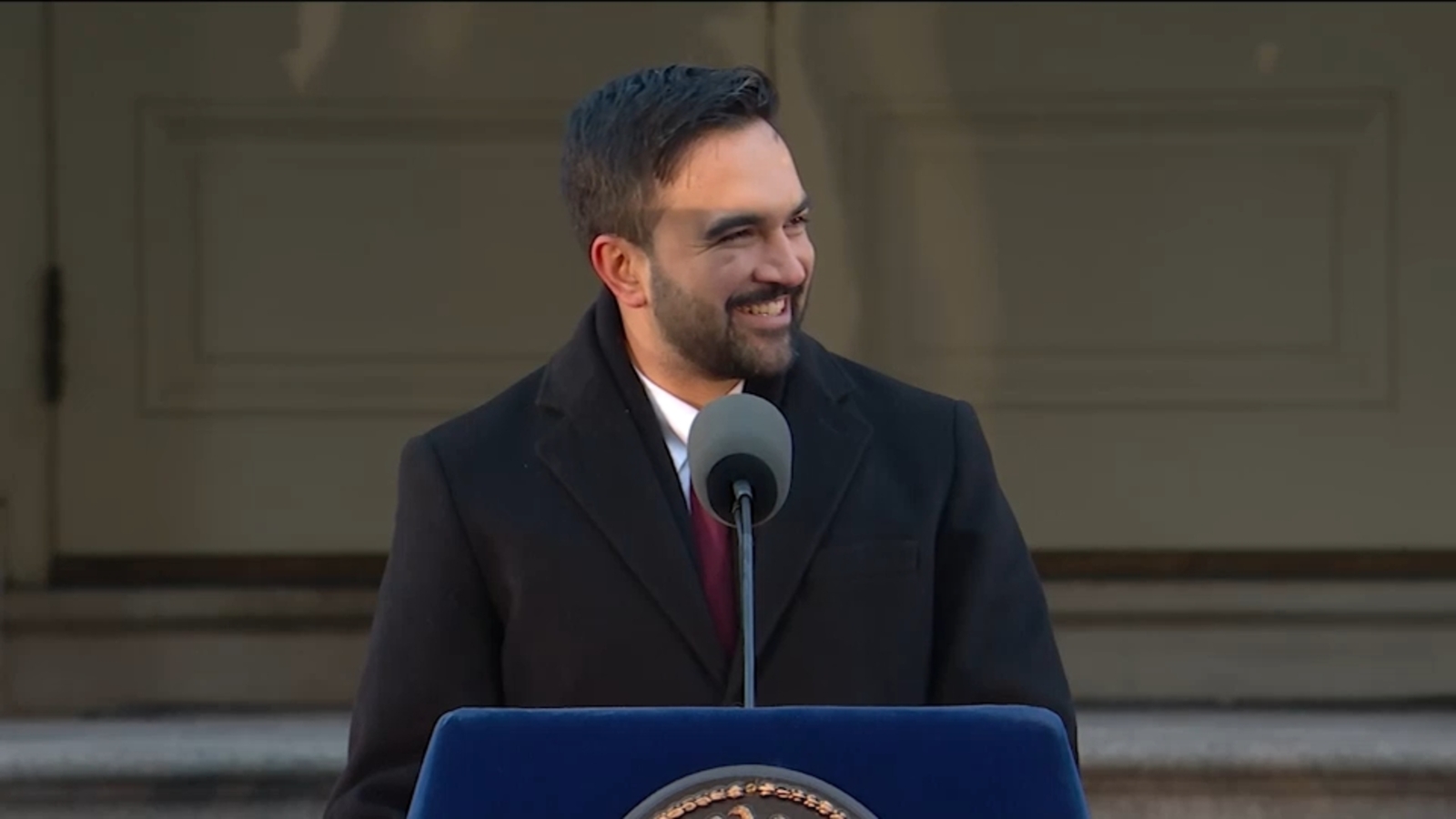
Mayor Zohran Mamdani has officially selected the site for the first city-run grocery store in New York City, marking a significant shift in the municipal government’s approach to food security and market intervention. Speaking at a rally in Queens on Sunday, April 12, 2026, to celebrate his first 100 days in office, Mamdani announced that La Marqueta in East Harlem will be developed into the city’s inaugural public grocery outlet via CBS News.
The initiative is designed as a “public option” for food, rooted in the mayor’s belief that the city must intervene when the private market fails to provide affordable basic necessities. Mamdani argued that corporate control of the food supply chain has led to inflated prices and stagnant wages, leaving both workers and consumers at a disadvantage. By establishing city-owned stores, the administration aims to ensure that fresh, healthy food is accessible to all New Yorkers regardless of their income or ZIP code via CBS News.
The East Harlem project will utilize a site already owned by New York City, specifically a portion of La Marqueta—a marketplace located beneath the train tracks running over Park Avenue—that is currently vacant. Because the city owns the land, the store is expected to operate without the burden of rent, which the administration hopes will translate into lower costs for shoppers. Mamdani emphasized that the goal is to create an environment where “eggs will be cheaper, bread will be cheaper,” and grocery shopping is no longer an “unsolvable equation” for struggling families via NY Post.
The Five-Borough Expansion Strategy
The La Marqueta site is the first step in a broader campaign pledge to establish a network of five city-owned grocery stores, with one located in each of New York City’s five boroughs. The Mamdani administration intends to have the entire network operational by the end of the mayor’s first term in 2029 via CBS News.

To expedite the rollout and reduce construction costs, the city plans to renovate existing structures rather than building new facilities from the ground up. While the administration is still selecting future sites for the remaining four boroughs, the target for the East Harlem store to be open for business is by the end of 2027 via CBS News.
The operational model for these stores will not involve the city managing every detail of daily retail. Instead, the city plans to partner with third-party grocery operators. This collaboration will focus specifically on controlling pricing and ensuring fair labor practices, aligning the stores’ operations with the mayor’s goal of treating workers with dignity while maintaining fair prices for customers via CBS News.
Budgetary Constraints and Funding
Despite the ambitious vision, the program faces significant financial scrutiny. Reports indicate that the first store in East Harlem alone is expected to cost taxpayers approximately $30 million to open via NY Post.
This initial expenditure represents a substantial portion of the program’s overall funding. As recently as February, the proposed budget for the entire five-store program was $70 million; the estimated $30 million cost for the La Marqueta site would consume nearly half of that total allocation via NY Post. The city intends to use capital funds to develop the East Harlem site via CBS News.
Key Project Details
| Detail | Specification |
|---|---|
| First Site | La Marqueta, East Harlem |
| First Store Target Opening | End of 2027 |
| Total Planned Stores | 5 (One per borough) |
| Full Network Deadline | End of 2029 |
| Estimated Cost (First Store) | $30 million |
| Proposed Total Program Budget | $70 million (as of February) |
Political Context and Endorsements
The announcement comes at a pivotal moment for Mayor Mamdani, coinciding with his “100 Days” milestone. The move to establish a city-run grocery store in New York City is a central pillar of his campaign promises to address urban poverty and the high cost of living.
The initiative has garnered support from high-profile political figures. U.S. Senator Bernie Sanders praised the announcement, stating that the plan for city-run grocery stores is “just another example of government working for the people” via CBS News.
By positioning the stores as a public utility rather than a commercial venture, the Mamdani administration is attempting to decouple the availability of fresh food from profit margins. This approach targets “food deserts”—areas where residents lack access to affordable, healthy food—by utilizing city-owned assets to bypass the traditional real estate and corporate hurdles that often prevent supermarkets from opening in low-income neighborhoods.
The next phase of the plan involves the selection of future sites in the remaining four boroughs. The administration has stated that these locations will be identified soon as they work toward the 2029 completion goal via CBS News.
World Today Journal will continue to monitor the site selection process for the remaining four boroughs. We invite our readers to share their thoughts on the public option for groceries in the comments section below.