NYC Nurses Strike Ends as NewYork-Presbyterian Ratifies Contract, Marking Historic Resolution
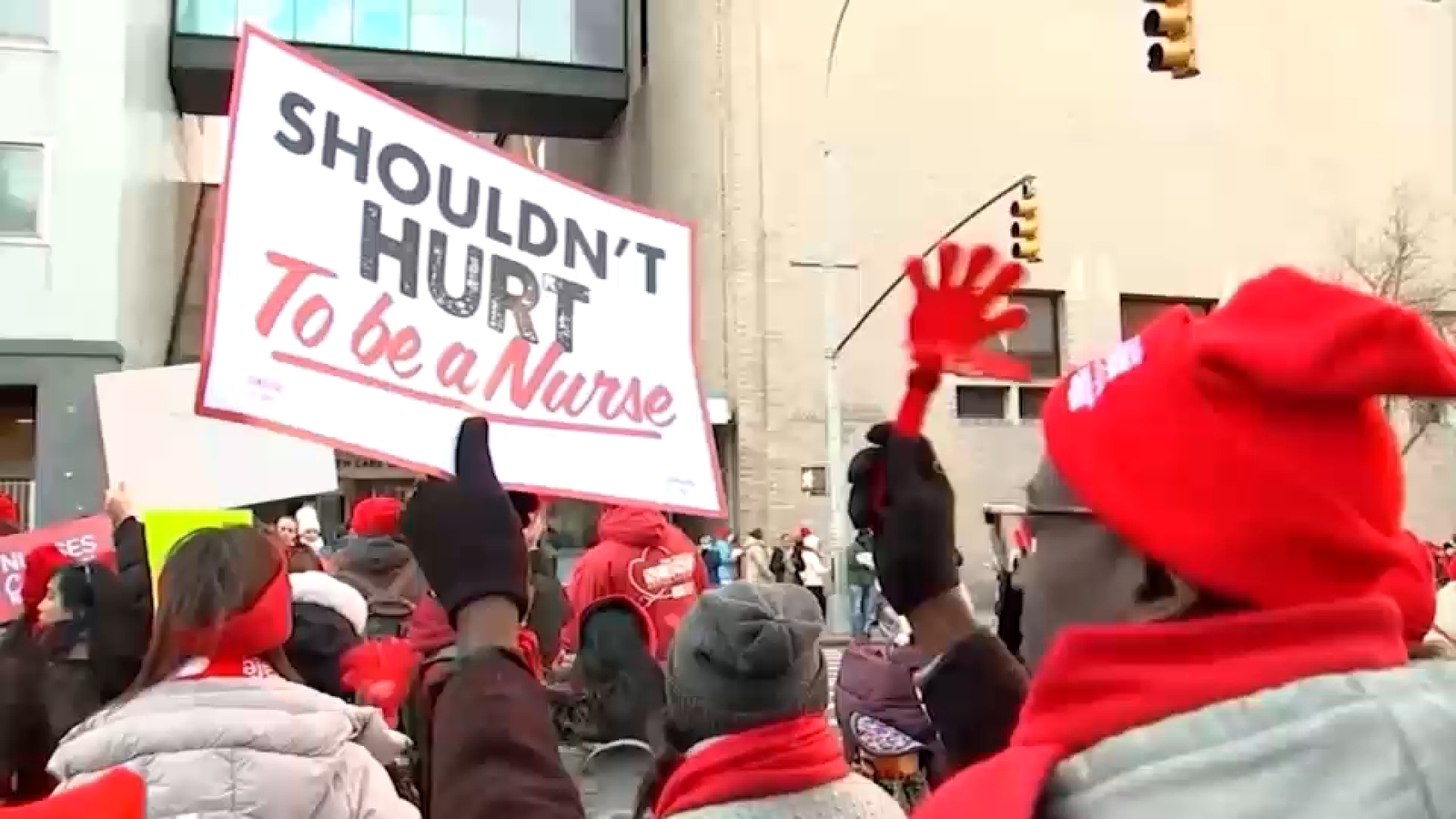
New York City’s months-long nurses’ strike has come to an end with the ratification of a new contract agreement by nurses at NewYork-Presbyterian Hospital. The vote, overwhelmingly in favor of the deal, concludes a 41-day walkout that significantly impacted healthcare services across the city and underscored growing concerns among nurses regarding staffing levels, patient care standards and the integration of artificial intelligence in healthcare. The agreement follows similar resolutions reached earlier this month with Montefiore and Mount Sinai hospitals, bringing a close to a challenging period for both healthcare workers and the communities they serve.
The New York State Nurses Association (NYSNA) announced on Saturday that 93% of its members at NewYork-Presbyterian voted to ratify the three-year contract. This marks the culmination of a protracted labor dispute that began on January 12th, when over 4,000 nurses initiated the strike, demanding improvements in working conditions and patient safety. The strike highlighted the increasing pressures faced by nurses, particularly in the wake of the COVID-19 pandemic, and the need for adequate staffing to ensure quality care. The resolution at NewYork-Presbyterian means nurses from all three major hospital systems – NewYork-Presbyterian, Montefiore, and Mount Sinai – are now covered under new contracts.
Key Provisions of the New Contract
The newly ratified contract addresses several key concerns raised by the nurses throughout the strike. A central component of the agreement is a commitment to improved staffing levels, a critical issue for nurses who have consistently voiced concerns about being overburdened and unable to provide optimal patient care. The contract also includes wage increases exceeding 12% over the three-year period, providing financial security and recognizing the valuable contributions of nurses. Perhaps most notably, the agreement establishes safeguards regarding the use of artificial intelligence (AI) in healthcare, a rapidly evolving field that raises ethical and practical questions about the role of technology in patient care. This is the first contract of its kind to include such protections, setting a precedent for future negotiations in the healthcare industry.
According to the NYSNA, the safeguards on AI usage are designed to ensure that technology is used to *support* nurses and enhance patient care, rather than to replace human expertise or compromise patient safety. Details of these safeguards remain somewhat limited, but the union has indicated they will require transparency in the implementation of AI technologies and ensure that nurses have a voice in decisions regarding their use. The inclusion of these provisions reflects a growing awareness of the potential risks and benefits of AI in healthcare and the need for careful consideration of its ethical implications. The agreement also addresses concerns about maintaining existing pension plans and preserving nurses’ health benefits.
A Long and Difficult Struggle
The strike at NewYork-Presbyterian, and the broader city-wide walkout, was the longest and largest nurses’ strike in New York City history. Throughout the 41 days, nurses picketed outside hospitals, held rallies, and engaged in public awareness campaigns to highlight their demands. The NYSNA accused the hospital systems of engaging in “union-busting” tactics and prioritizing profits over patient care, alleging that hospitals spent significant sums on temporary replacement nurses rather than investing in permanent staffing solutions. The hospitals, in turn, maintained that they were committed to providing quality care and that they had offered reasonable proposals to the union.
The resolution at Montefiore and Mount Sinai earlier this month provided momentum for the negotiations with NewYork-Presbyterian. Nurses at those hospitals ratified their contracts on February 12, 2026, bringing an end to a five-week walkout. The agreements at Montefiore and Mount Sinai included similar provisions to those secured at NewYork-Presbyterian, including wage increases, staffing improvements, and protections for benefits. Mount Sinai Health System CEO Brendan Carr stated that the agreement represented a “major step forward” and emphasized the importance of collaboration and mutual respect. However, the strike continued at NewYork-Presbyterian as nurses sought to secure a comparable agreement.
Impact on Patient Care and the Healthcare System
The nurses’ strike had a significant impact on patient care in New York City. Hospitals were forced to postpone elective procedures, divert ambulances, and rely on temporary staffing agencies to maintain essential services. While hospitals maintained they continued to provide safe and effective care, the strike undoubtedly placed additional strain on the healthcare system and raised concerns about the quality of care provided to patients. The strike also brought renewed attention to the broader challenges facing the healthcare industry, including chronic understaffing, burnout among healthcare workers, and the increasing cost of care.
The successful resolution of the strike is expected to alleviate some of these pressures and improve the working conditions for nurses. However, experts caution that the underlying issues facing the healthcare system will require ongoing attention and investment. Addressing the nursing shortage, improving staffing ratios, and investing in training and education are crucial steps to ensure that patients receive the high-quality care they deserve. The inclusion of AI safeguards in the new contracts also highlights the need for ongoing dialogue and collaboration between healthcare professionals, policymakers, and technology developers to ensure that AI is used responsibly and ethically in healthcare.
Looking Ahead: Return to Work and Continued Advocacy
With the ratification of the contract, nurses at NewYork-Presbyterian are expected to begin returning to work in the coming week. The NYSNA has pledged to continue advocating for policies that improve patient care and protect the rights of nurses. The union is also likely to use the gains achieved in this strike as a model for future negotiations with other hospitals and healthcare providers. The outcome of this strike could have far-reaching implications for the healthcare industry, potentially influencing labor negotiations and policy decisions across the country.
The agreement reached with NewYork-Presbyterian represents a significant victory for the NYSNA and its members. It demonstrates the power of collective bargaining and the importance of nurses’ voices in shaping the future of healthcare. As nurses return to their posts, they will undoubtedly be focused on providing the best possible care to their patients, while also continuing to advocate for a healthcare system that prioritizes patient safety, quality, and the well-being of healthcare workers. The long-fought battle has concluded, but the work of improving healthcare for all New Yorkers continues.
Related reading