
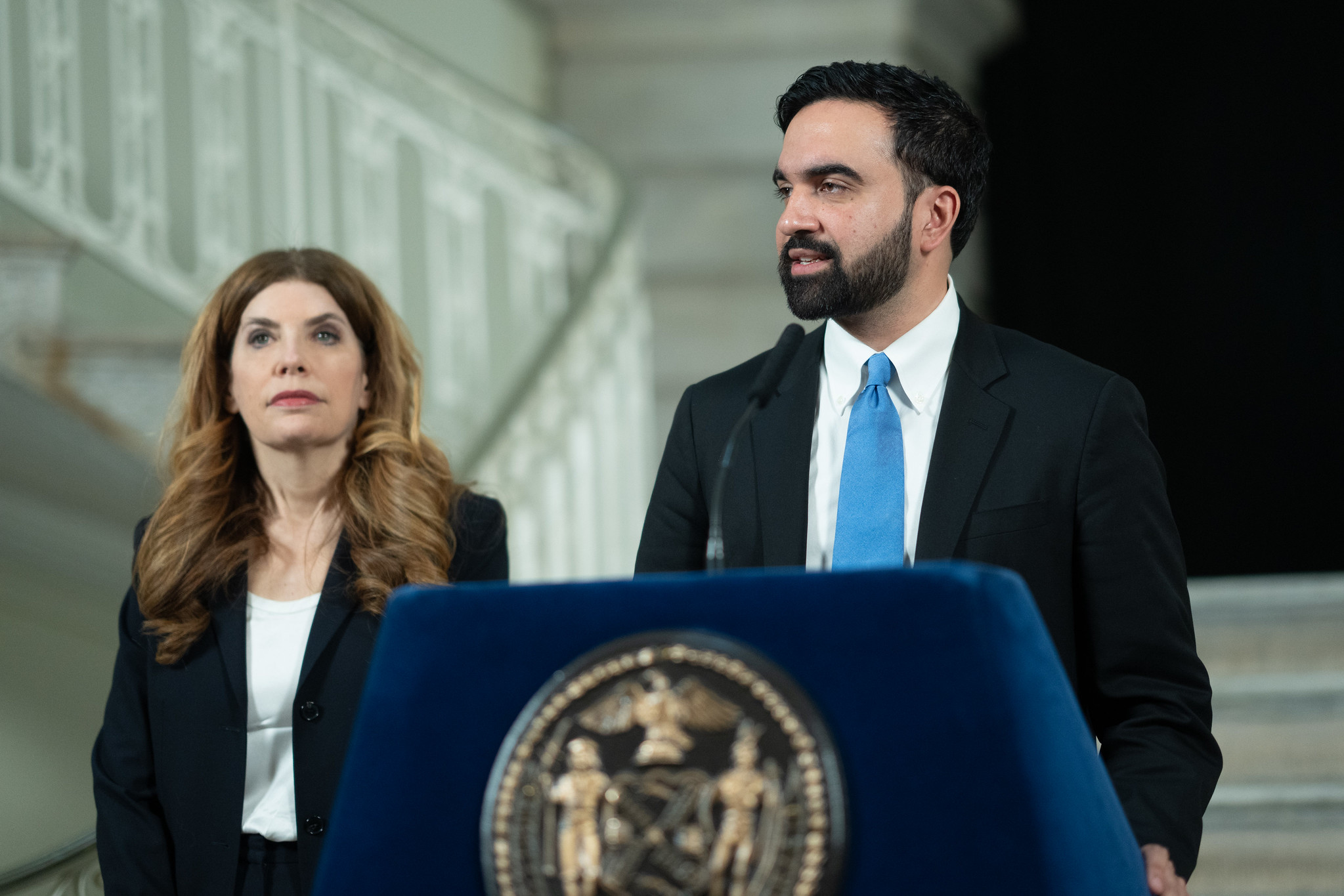
New York City is currently locked in a high-stakes fiscal showdown between City Hall and the state capital in Albany, as Mayor Zohran Mamdani pushes for aggressive tax increases to stabilize a city budget he describes as being in a state of emergency. The conflict centers on a proposed reduction of a specific tax credit that primarily benefits the city’s wealthiest residents and high-earning financial entities.
Mayor Mamdani, alongside City Council Speaker Julie Menin, has delayed the city’s $127 billion executive budget deadline until May 12, 2026, as a strategic maneuver to pressure New York State into granting new revenue-generating powers according to reports from amNewYork. The administration argues that without immediate state intervention and a shift in tax policy, the city faces a budget crisis of historic magnitude
.
At the heart of the dispute is the Passthrough Entity Tax (PTET) credit. The Mamdani administration is urging state lawmakers to reduce this credit to 75%, a move that officials estimate would generate nearly $1 billion in additional revenue for the city according to the NYC Mayor’s Office. This credit is widely utilized by hedge funds, private equity firms, and other “pass-through” businesses to lower their overall tax burden.
The $12 Billion ‘Budget Hole’
The urgency behind these proposed tax increases stems from what Mayor Mamdani has termed the Adams Budget Crisis
. In January 2026, the Mayor detailed a fiscal emergency, claiming that mismanagement under the previous administration left a $12 billion hole in the city’s budget spanning the next two fiscal years as stated in an official release from the Mayor’s Office.
The financial gap is stark. Current estimates indicate a deficit of $2.2 billion for the immediate term, with a projected gap of $10.4 billion for 2027, totaling a $12.6 billion shortfall over the first half of Mamdani’s term according to reporting by AOL. The Mayor has framed the situation as a choice between taxing the wealthy or forcing working-class New Yorkers to bear the cost of service cuts.
Resistance from Albany: The Hochul Veto
Despite the pressure from City Hall, Governor Kathy Hochul has remained steadfast in her opposition to the PTET credit reduction. The Governor has explicitly stated that the Mayor’s pitch to increase taxes on the rich is not happening
as reported by CBS New York. This deadlock has created a significant political rift, with the state budget itself running nearly a month late as of late April 2026.
While rejecting the PTET tweak, Governor Hochul has proposed alternative, more targeted measures. In March 2026, the Governor pitched a new tax on high-end pied-à-terres
—secondary residences often owned by wealthy non-residents—as a way to bridge the budget gap without implementing broad-based tax hikes that might alienate the business community according to the Associated Press.
Impact on the NYC Business Climate
The proposal to curb tax breaks has sparked alarm among business leaders and economic analysts. Critics argue that New York City’s economy remains fragile
and that targeting high-earners and financial firms could incentivize a mass exodus of capital and talent to lower-tax jurisdictions. The concern is that reducing the PTET benefit would effectively act as an income-tax hike for the city’s most mobile taxpayers, potentially destabilizing the municipal tax base further.
Summary of the Fiscal Conflict
| Proposed By | Primary Mechanism | Estimated Impact / Goal | Status |
|---|---|---|---|
| Mayor Mamdani &. Speaker Menin | Reduce PTET Credit to 75% | Generate nearly $1 billion | Rejected by Gov. Hochul |
| Governor Kathy Hochul | New Pied-à-Terre Tax | Targeted luxury real estate revenue | Proposed/Under Review |
| City Administration | Budget Deadline Extension | Pressure Albany for state funding | Extended to May 12, 2026 |
What Happens Next?
The immediate focus for New York City residents and policymakers is the May 12, 2026, deadline. This date marks the current expiration of the budget extender and serves as the next critical checkpoint to see if Mayor Mamdani and Governor Hochul can reach a compromise on revenue generation or if the city will be forced to implement significant spending cuts to balance its books.
World Today Journal encourages readers to share their views on the balance between taxing high earners and maintaining a competitive business environment in the comments below.