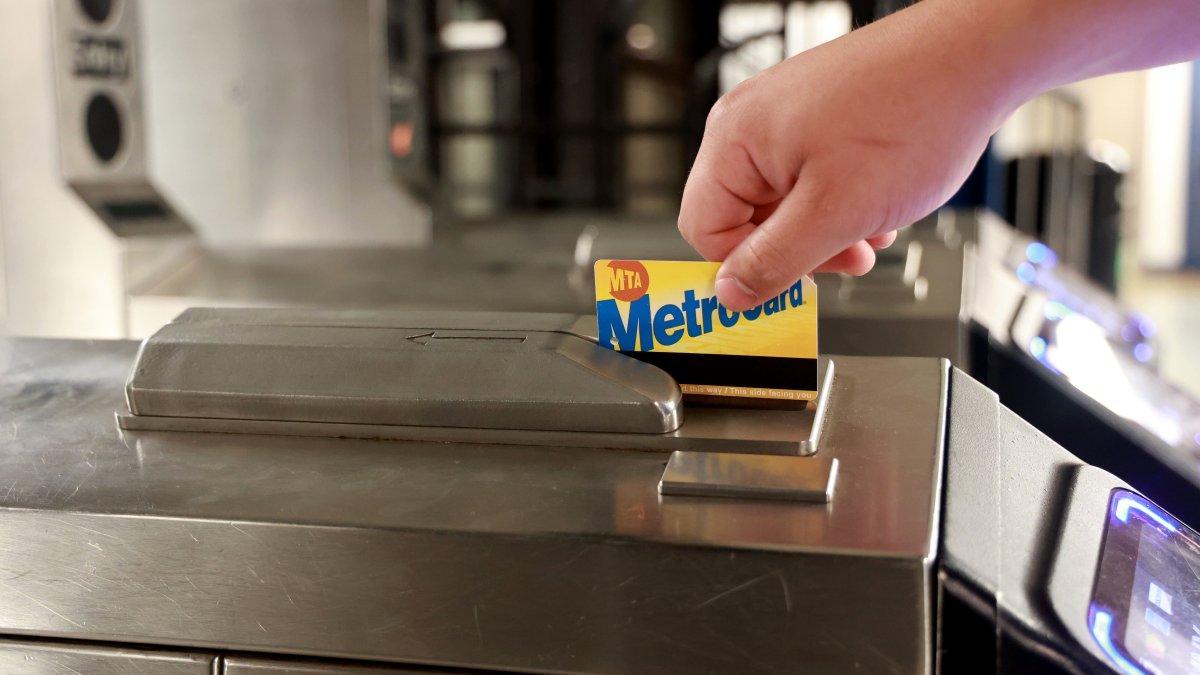
The End of an Era: How New York’s MetroCard is Giving Way to OMNY
For over two decades, the blue plastic MetroCard has been synonymous with navigating New York City’s sprawling subway and bus system. But that’s changing. The Metropolitan Transportation Authority (MTA) is phasing out the iconic card in favor of OMNY, a contactless payment system. This transition marks a meaningful shift in how New Yorkers - and visitors – pay their fares, and it’s sparking both excitement and a touch of nostalgia.
A Rocky Start & Rapid Evolution
The MetroCard’s introduction in 1994 wasn’t seamless. Commuters initially struggled with the proper swiping technique, leading to frustrating error messages and lost fares. The MTA launched public awareness campaigns to educate riders, even briefly considering a quirky mascot, “cardvaark,” before wisely abandoning the idea.
Despite the initial hurdles, the MetroCard quickly became more than just a fare payment method. It evolved into a collector’s item, with special commemorative editions released to mark significant events.Remember the “Subway Series” card celebrating the 2000 World Series between the Yankees and Mets? Back then, a single ride cost just $1.50.
Over the years,the MetroCard’s design became a canvas for New York’s vibrant culture. Artists like David Bowie, olivia Rodrigo, and hip-hop legends like the Wu-Tang Clan, The Notorious B.I.G., and LL Cool J have all been featured on the cards.Iconic shows like Seinfeld and Law & Order also received the metrocard treatment. As Bronx collector Lev Radin notes, these cards “present New York City to the world,” showcasing not just landmarks, but the people who make the city special.
The correct swipe even became a subtle badge of honor, a way to distinguish seasoned New Yorkers from tourists.The struggle was real – as evidenced by Hillary Clinton’s five-swipe ordeal at a Bronx turnstile during her 2016 presidential campaign, and Bernie Sanders‘ apparent confusion over the discontinuation of tokens.
OMNY: A Streamlined future
Unlike the initial MetroCard rollout, the transition to OMNY has been remarkably smooth. OMNY allows you to pay with a contactless credit or debit card, smartphone, or wearable device.
Here’s what you need to know:
* Versatility: You can use a credit/debit card, smartphone (Apple Pay, Google Pay, Samsung Pay), or purchase a dedicated OMNY card.
* Reload Options: OMNY cards can be reloaded just like metrocards.
* Continued MetroCard Use: Existing MetroCards will remain valid until 2026, allowing you to use any remaining balance.
* cost Savings: The MTA estimates OMNY will save at least $20 million annually by eliminating MetroCard-related expenses.
* Fare Capping: OMNY offers a weekly fare cap. After 12 rides, all subsequent rides within a seven-day period are free. This will max out at $35 per week when the base fare increases to $3 in January.
Addressing Concerns & Ensuring Accessibility
While OMNY offers numerous benefits, the change isn’t without its critics. Some express concerns about data collection and potential surveillance. The MTA has released public statements addressing these issues, but has declined to offer further comment.
A key concern revolves around accessibility. Some riders, especially seniors, find the OMNY card reloading process more difficult than the familiar MetroCard system.
“it’s hard for the elders,” says 70-year-old Manhattan resident Ronald Minor. “Don’t push us aside and make it like we don’t count.”
Others, like John Sacchetti, appreciate the convenience of seeing their balance with each swipe, a feature lost with OMNY. However, he acknowledges, “It’s just something to get used to.”
looking Ahead
The MTA is actively offering OMNY cards at select subway stations to ease the transition. The agency is clearly focused on ensuring a smooth shift, but acknowledges the need to address concerns about accessibility and data privacy.
The end of the MetroCard era is a bittersweet moment for many New Yorkers. It represents a move towards