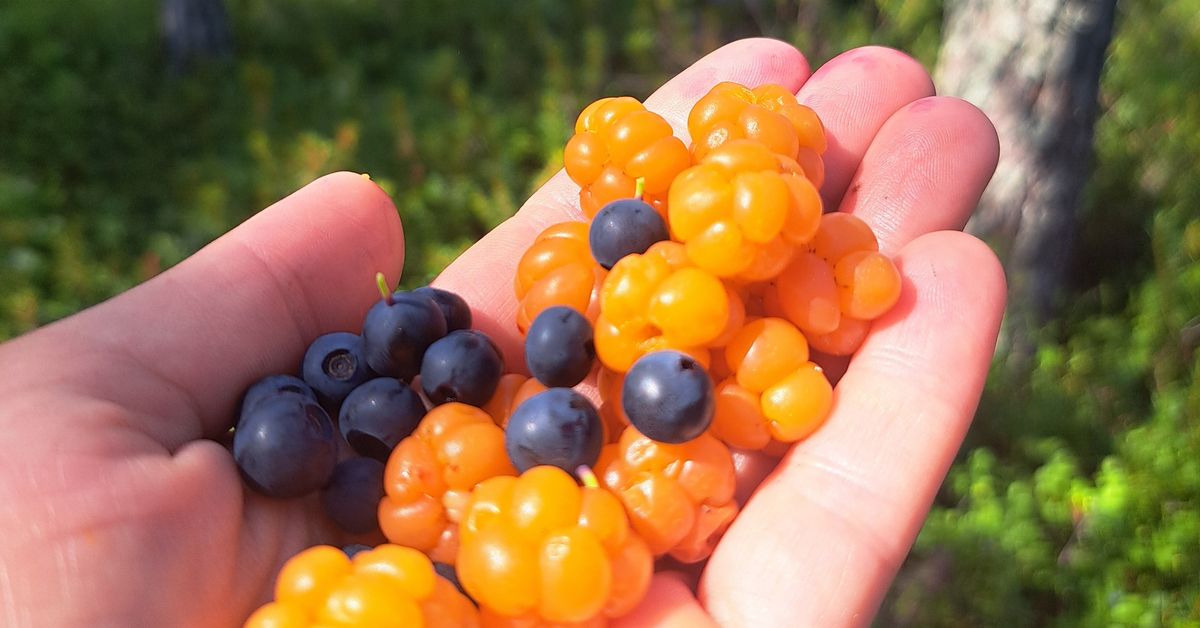
For individuals looking to supplement their income during the Nordic harvest season, picking wild berries offers a tax-free financial opportunity, provided the produce remains in its natural state. According to the Finnish Tax Administration (Vero Skatt), income earned from picking wild berries, mushrooms, and herbs is exempt from income tax, regardless of the amount earned, as long as the picker does not process the goods before sale.
This tax exemption applies strictly to the gathering of natural products. If a picker chooses to process the berries—such as by making jam, juice, or other value-added products—the income generated from those items is considered taxable business income. Understanding these distinctions is essential for seasonal workers and hobbyists aiming to maximize their earnings while maintaining full compliance with national tax regulations.
Tax Regulations for Natural Product Pickers
The Finnish tax framework categorizes berry picking as a non-taxable activity because it is viewed as a form of recreational or manual labor involving natural resources. The Finnish Tax Administration clarifies that the exemption covers the sale of berries, mushrooms, and wild herbs to both private individuals and companies. This policy is designed to encourage the utilization of forests and the collection of natural produce, which is a significant part of the Nordic outdoor culture.
However, the exemption is contingent on the product’s state at the point of sale. The moment a picker alters the product, the tax status changes. For example, if a picker sells fresh bilberries or cloudberries, the proceeds are tax-free. If that same picker cleans, jars, or cooks the berries, the revenue is treated as income from a trade or business. In such cases, the individual must report the earnings, and deductions for expenses related to the processing may be applicable.
Maximizing Seasonal Earnings
While the tax-free nature of berry picking provides a straightforward financial benefit, the actual earnings depend on market demand, seasonal yield, and the efficiency of the picker. Prices for wild berries fluctuate based on the quality of the harvest and the current market conditions in both domestic and international sectors.

To ensure a profitable season, professional and casual pickers often monitor the Finnish Food Authority (Ruokavirasto), which provides guidance on food safety and the best practices for handling natural products. Although the income is tax-exempt, pickers are still expected to follow hygiene standards when collecting berries intended for resale. Proper storage and transport are critical to maintaining the quality required by commercial buyers, who often set specific standards for the berries they purchase.
Logistics and the Right of Public Access
In Finland, the “Everyman’s Right” (Jokamiehenoikeus) allows individuals to pick wild berries and mushrooms in forests, including those on private land, provided they do not disturb the landowner or cause damage. This legal framework is a cornerstone of the industry, enabling broad access to resources without the need for individual permits.

According to the Ministry of the Environment, while access is free, pickers must respect the privacy of residential properties and ensure they do not trespass on protected areas or restricted zones. For those operating on a larger scale, such as independent contractors working for berry-buying companies, it is common practice to coordinate with local purchase stations that provide scales and logistical support for weighing and selling the day’s haul.
What Happens Next for Seasonal Pickers
As the peak season progresses, pickers should verify the current buying prices at their local collection centers before heading out to the forests. Official updates regarding food safety requirements and any changes to collection regulations are typically published on the Finnish Food Authority website as the season reaches its height.
For those interested in the latest tax guidance, the Finnish Tax Administration portal remains the primary resource for clarifying any questions regarding income reporting should one decide to transition from simple picking to processed food sales. If you have experience or questions regarding this year’s harvest, please share your thoughts or local market observations in the comments section below.