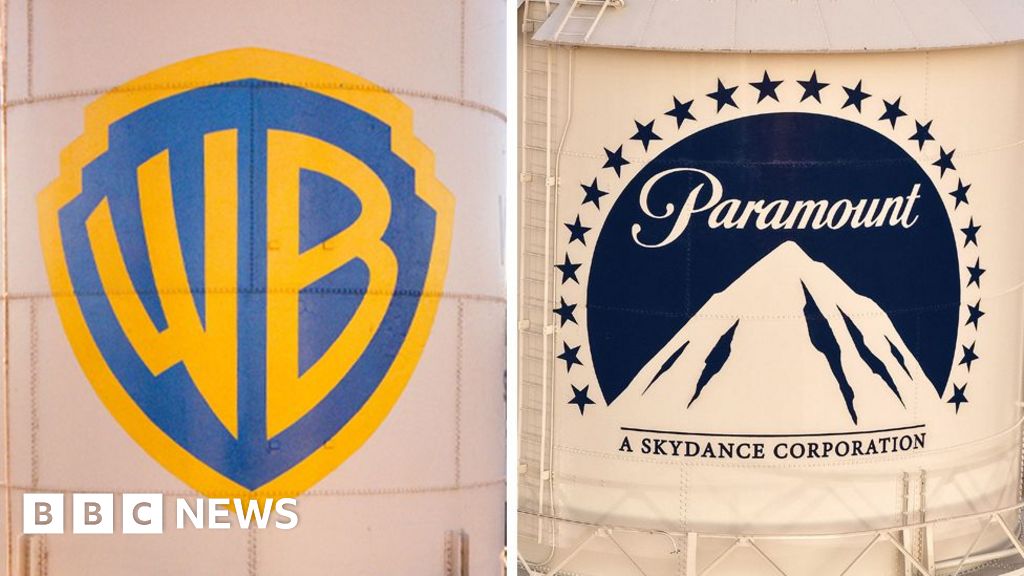
The evolving media landscape is once again under scrutiny following recent developments involving Warner Bros. Discovery, and the potential implications for streaming services, traditional cinemas, and the flow of news. While details of specific deals are constantly shifting, the broader trend of consolidation within the entertainment industry raises questions about competition, content diversity, and the influence of large corporations on the information Americans consume. This article will explore the potential ramifications of these changes, examining the impact on consumers, content creators, and the future of media.
The entertainment industry has experienced a period of rapid transformation in recent years, driven by the rise of streaming platforms like Netflix, Disney+, and HBO Max (now Max). These services have disrupted traditional television models, forcing established media companies to adapt or risk falling behind. Simultaneously, movie theaters have faced challenges, particularly during the COVID-19 pandemic, as audiences shifted to at-home viewing options. The interplay between these forces – streaming, cinema, and traditional media – is complex and constantly evolving, and recent corporate maneuvers are poised to reshape the dynamics further.
Warner Bros. Discovery: A Shifting Landscape
Warner Bros. Discovery, formed in April 2022 through the merger of WarnerMedia and Discovery, Inc., is a major player in the entertainment industry, owning a vast portfolio of brands including HBO, CNN, DC Comics, and the Warner Bros. Film studio. The company’s website details its extensive holdings and strategic direction. The company has been navigating a challenging financial environment, burdened by significant debt incurred during the merger. It has undertaken cost-cutting measures, including content removals from its streaming platform Max, and restructuring efforts across various divisions.
These moves have sparked debate about the future of streaming and the value proposition for consumers. The removal of completed series and films from Max, while financially driven, has been criticized by some as a devaluation of content and a disservice to viewers. The company’s strategy appears to be focused on prioritizing profitability and reducing debt, even if it means making difficult decisions about its content library. This approach reflects a broader trend within the industry, as streaming services grapple with the realities of a maturing market and the need to demonstrate sustainable business models.
The Impact on Streaming Services
The consolidation of media companies like Warner Bros. Discovery has significant implications for the streaming landscape. Fewer independent players mean less competition, potentially leading to higher prices for consumers and less innovation in content offerings. As companies merge, they gain greater control over distribution channels and content libraries, allowing them to dictate terms to content creators and exert more influence over the market. The rise of bundled streaming services, such as Disney’s offering that combines Disney+, Hulu, and ESPN+, is another manifestation of this trend, as companies seek to retain subscribers and increase revenue.
Though, the streaming market remains dynamic, with new entrants and evolving consumer preferences. The success of platforms like Netflix and Amazon Prime Video demonstrates that there is still room for growth and innovation. The key to success in the streaming era will likely be a combination of compelling content, competitive pricing, and a user-friendly experience. Companies that can effectively balance these factors will be best positioned to thrive in the long term.
The Future of Movie Theaters
Movie theaters have faced an existential crisis in recent years, challenged by the convenience of streaming and the impact of the COVID-19 pandemic. While box office revenue has rebounded somewhat in recent months, driven by blockbuster releases, the long-term outlook remains uncertain. The theatrical window – the period of time between a film’s release in theaters and its availability on streaming platforms – has been shrinking, further eroding the exclusivity of the cinema experience.
Warner Bros. Discovery’s strategy regarding theatrical releases has been particularly noteworthy. In 2021, the company announced that all of its films would be released simultaneously in theaters and on HBO Max, a move that angered many theater owners. The New York Times reported on the backlash from cinema chains, who argued that the simultaneous releases would cannibalize box office revenue. The company has since reversed course, returning to a more traditional theatrical window, but the debate over the future of film distribution continues.
To survive and thrive, movie theaters will need to offer experiences that cannot be replicated at home. This includes premium formats like IMAX and Dolby Cinema, enhanced food and beverage options, and a focus on creating a social and immersive atmosphere. Theaters may also need to diversify their offerings, hosting live events, concerts, and other forms of entertainment to attract audiences.
Concerns About Media Ownership and News Concentration
The broader trend of media consolidation raises concerns about the concentration of power in the hands of a few large corporations. As fewer companies control more of the media landscape, there is a risk of reduced diversity of viewpoints and a narrowing of the range of information available to the public. This can have implications for democratic discourse and the ability of citizens to create informed decisions.
Rodney Benson, a professor of media, culture, and communication at New York University, has expressed concerns about the implications of media consolidation. According to his NYU Steinhardt profile, Benson is the lead author of the forthcoming book, *How Media Ownership Matters* (Oxford, 2025). While the source material provided only states he called the deal “concerning” and that it would leave America’s largest media companies further concentrated in the hands of conservatives, and that some owners have business interests dependent on government contracts, further research reveals his broader work focuses on the impact of media ownership on news coverage and political discourse. His research suggests that ownership structures can influence the type of news that is produced and the perspectives that are presented.
The potential for political influence is a particularly sensitive issue. If media owners have vested interests in government policies or regulations, there is a risk that their coverage will be biased or skewed to favor their own agendas. This can undermine public trust in the media and erode the foundations of a healthy democracy. It’s important to note that media ownership is a complex issue with no easy solutions. However, promoting media diversity, strengthening antitrust enforcement, and increasing transparency in media ownership are all steps that can be taken to mitigate the risks.
What Happens Next?
The media landscape will continue to evolve rapidly in the coming months and years. Warner Bros. Discovery’s performance will be a key indicator of the direction the industry is heading. The company’s ability to navigate the challenges of streaming, cinema, and news will have a significant impact on its competitors and the broader media ecosystem. The Federal Communications Commission (FCC) and the Department of Justice (DOJ) will also play a role, as they review mergers and acquisitions and enforce antitrust laws. The FCC’s website provides information on its regulatory activities.
Consumers will also have a say in shaping the future of media. Their viewing habits, subscription choices, and willingness to pay for content will ultimately determine which companies succeed and which ones fail. As audiences turn into more discerning and demand greater value for their money, media companies will be forced to adapt and innovate to remain competitive.
The next major checkpoint will be Warner Bros. Discovery’s first-quarter earnings report, scheduled for release in May 2024, where investors will be closely watching for signs of progress in the company’s turnaround efforts. This report will provide valuable insights into the company’s financial performance and its strategic direction.
What are your thoughts on the changing media landscape? Share your comments below and let us know how these developments are impacting your viewing habits.