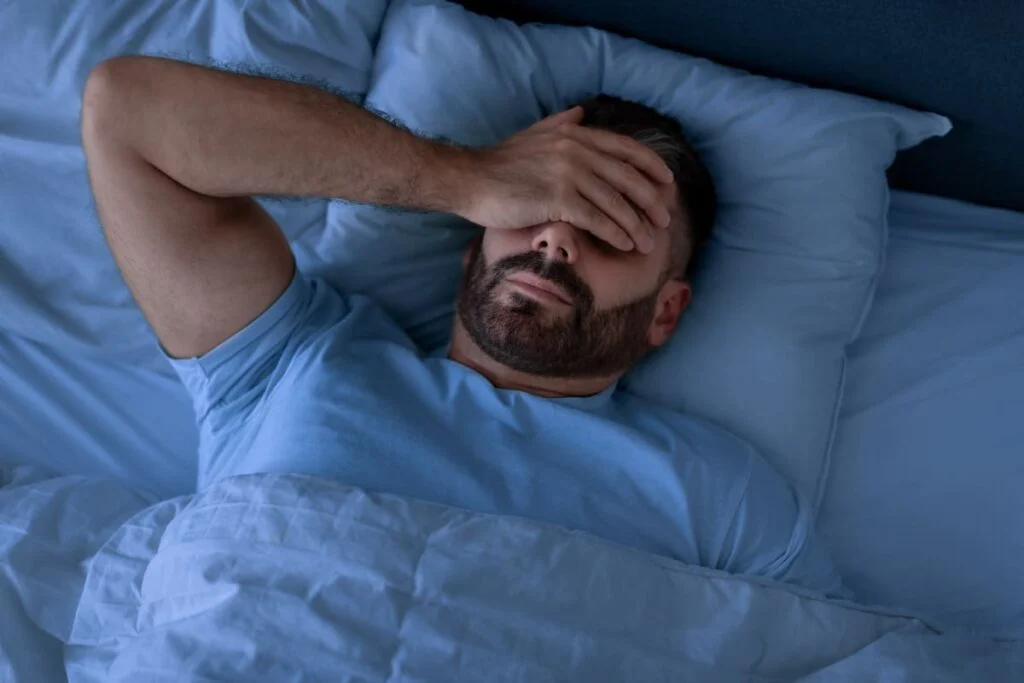
Recent clinical investigations into sleep hygiene suggest that the timing and intensity of physical activity play a more significant role in sleep quality than previously understood. According to research published in journals such as Sports Medicine, engaging in moderate-intensity aerobic exercise can positively influence sleep onset and duration, provided the activity is timed correctly in relation to an individual’s bedtime. As a physician, I have observed that while exercise is a cornerstone of public health, the physiological response—specifically the elevation of core body temperature and heart rate—requires careful management to avoid unintended sleep disruption.
The relationship between movement and rest is complex. While public health guidelines from the World Health Organization consistently recommend physical activity for overall health, including the regulation of circadian rhythms, the “best” exercise for sleep is often a matter of individual tolerance. Rather than seeking a single “ideal” workout, patients should focus on how their bodies process the hormonal and thermal changes associated with physical exertion. Understanding these biological markers is essential for anyone attempting to align their fitness routine with better nocturnal recovery.
The Physiological Impact of Exercise on Circadian Rhythms
Physical activity influences sleep primarily through the modulation of body temperature and the release of neurotransmitters. When we exercise, our core body temperature rises. For many, this increase is a signal of alertness. However, this cooling process takes time. If a high-intensity workout occurs too close to bedtime, the body may remain in a state of heightened arousal, which can delay the transition into deep, restorative sleep stages.
The timing of the workout is the most critical variable. Studies often highlight that exercising in the morning or early afternoon allows the body ample time to return to a baseline state before the evening. For those who can only exercise in the evening, the intensity becomes the deciding factor. Low-to-moderate intensity activities, such as yoga or light walking, are less likely to trigger the sympathetic nervous system’s “fight or flight” response compared to high-intensity interval training (HIIT) or heavy weightlifting. By moderating the intensity, individuals can reap the cardiovascular benefits of movement without jeopardizing their sleep architecture.
Evaluating Popular Exercise Modalities
There is no universal consensus that one specific sport or activity is superior to all others for sleep improvement. Instead, the efficacy of an exercise depends on its ability to reduce daytime stress and promote physical fatigue without overtaxing the nervous system. Cardiovascular exercise, such as running or cycling, is frequently cited for its ability to increase the amount of slow-wave sleep, or deep sleep, which is vital for physical recovery. According to findings from Johns Hopkins Medicine, regular aerobic activity can help stabilize mood and decompress the mind, both of which are common barriers to falling asleep.
Conversely, resistance training and mind-body practices like Pilates or Tai Chi offer distinct benefits. Resistance training can improve sleep quality by increasing physical fatigue, but it also carries a higher risk of central nervous system fatigue if performed at near-maximal efforts. Mind-body practices are often recommended for individuals whose sleep issues are rooted in anxiety or hyperarousal, as these activities prioritize breath control and parasympathetic activation. The choice of exercise should ultimately be dictated by an individual’s current fitness level and their specific sleep-related complaints.
Practical Guidance for Aligning Fitness and Sleep
If you find that your current exercise routine is interfering with your ability to fall asleep, it may be time to audit your schedule. Clinical evidence suggests that for most people, finishing vigorous exercise at least three to four hours before bedtime is a safe window to allow the body to cool down. If your schedule only permits evening exercise, consider shifting the focus toward lower-intensity movements that do not significantly spike your heart rate.
Monitoring your own response is the most reliable way to determine what works. Keep a brief log of your workouts and your subsequent sleep quality for two weeks. Note the type of exercise, the duration, the time of day, and how long it took you to fall asleep. This data-driven approach allows you to identify patterns specific to your physiology. If sleep disturbances persist despite adjusting your exercise timing and intensity, it is advisable to consult with a primary care physician or a sleep specialist to rule out underlying conditions such as obstructive sleep apnea or insomnia.
As we continue to gather data on the intersection of physical activity and sleep, the focus remains on personalization. Future research will likely provide more granular insights into how genetic factors influence our individual responses to exercise timing. For now, the most effective strategy is consistent, moderate activity performed at a time that honors your body’s natural need for a wind-down period. Please feel free to share your experiences or questions in the comments section below, and stay tuned for further updates on evidence-based health practices as they become available.