
Former U.S. President Barack Obama has cast doubt on whether any future nuclear agreement with Iran will meaningfully diverge from past deals, warning that structural challenges in verification and compliance remain unresolved. Speaking in a recent interview, Obama emphasized that previous agreements—including the 2015 Joint Comprehensive Plan of Action (JCPOA)—failed to address core issues like Iran’s long-term nuclear ambitions and regional influence, raising questions about the viability of renewed diplomacy under current conditions.
Obama’s comments, delivered during a discussion on global security, come as diplomatic efforts to revive the JCPOA face renewed scrutiny. The former president, who negotiated the original accord, acknowledged that while new negotiations could yield incremental progress, fundamental breakthroughs appear unlikely without addressing Iran’s broader strategic calculus. His remarks underscore the complexity of reconciling U.S. security priorities with Iran’s demands, particularly as regional tensions persist in Yemen, Syria, and the Red Sea.
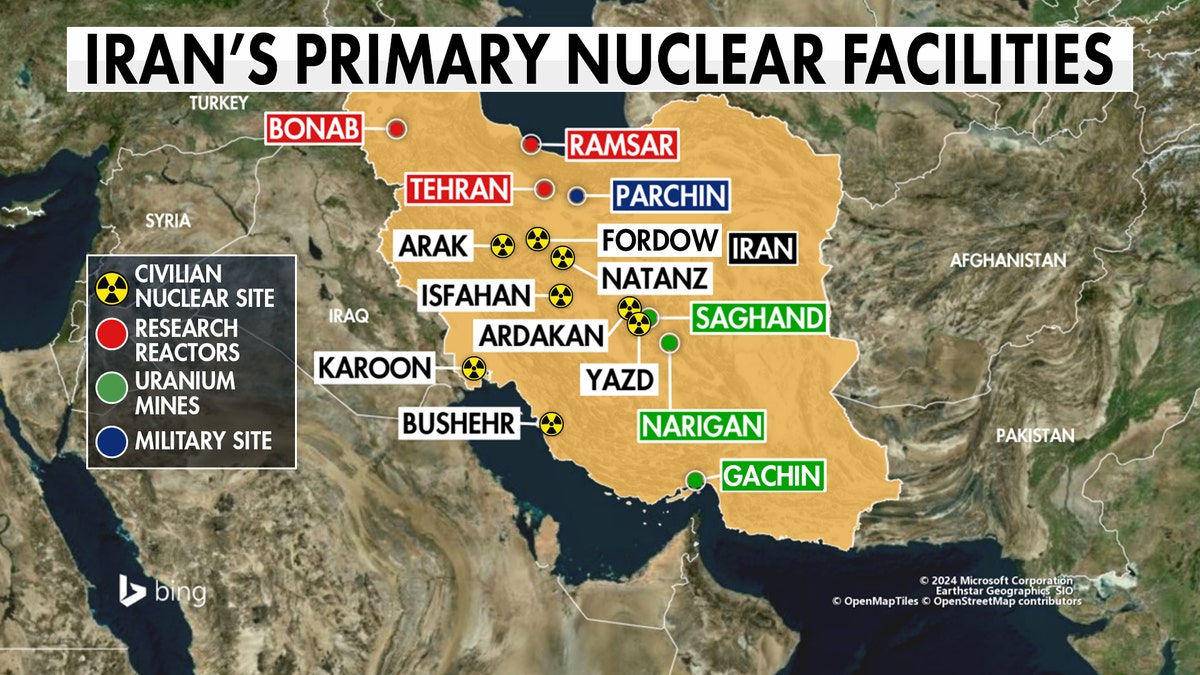
This assessment aligns with recent assessments from U.S. intelligence and diplomatic circles, which have highlighted Iran’s continued expansion of its nuclear program despite the JCPOA’s restrictions. According to a May 2024 report from the International Atomic Energy Agency (IAEA), Iran’s stockpile of enriched uranium has increased significantly since the U.S. withdrawal from the JCPOA in 2018. Meanwhile, U.S. officials have privately signaled skepticism about Iran’s willingness to return to full compliance without concessions on sanctions relief and regional behavior.
“You’d think we would’ve learned that lesson by now: You can’t bomb your way to a solution. And you can’t negotiate your way to a solution if you don’t have a clear endgame.”
—Barack Obama, in remarks to a think tank, May 2024
Why Obama’s Skepticism Matters for Future Negotiations
Obama’s reservations reflect a broader consensus among analysts that any new Iran deal would need to address three critical gaps from the JCPOA:

- Verification Challenges: The IAEA has repeatedly flagged Iran’s lack of transparency in nuclear-related activities, including undeclared sites and advanced centrifuge development. A U.S. State Department briefing in April 2024 noted that Iran’s adherence to inspection protocols has weakened since 2018.
- Regional Behavior: Iran’s support for proxy groups in Yemen, Syria, and Lebanon remains a sticking point. The Biden administration has linked sanctions relief to reductions in Iran’s destabilizing actions, a position Obama implied would likely persist in any future talks.
- Long-Term Compliance: The JCPOA’s sunset clauses—particularly those allowing Iran to resume advanced nuclear activities after 10–15 years—were criticized by Obama’s successors as inherently unsustainable. His recent comments suggest this structural flaw would not be easily resolved in renewed negotiations.
Obama’s interview also touched on the political landscape in Washington, where bipartisan skepticism toward Iran has grown. The Trump administration’s “maximum pressure” campaign, which included targeted strikes on Iranian-backed militias and renewed sanctions, has hardened positions on both sides. A 2023 Council on Foreign Relations analysis found that 68% of U.S. policymakers surveyed viewed Iran as a greater threat than during the JCPOA era, complicating efforts to revive diplomacy.
How Past Deals Compare to Potential Future Outcomes
The JCPOA, finalized in 2015, was designed to limit Iran’s nuclear program in exchange for sanctions relief. Under the deal, Iran agreed to:

- Reduce its stockpile of low-enriched uranium by 98%
- Neutralize its stockpile of higher-enriched uranium
- Disable two-thirds of its centrifuges
- Accept intrusive IAEA inspections
However, the agreement’s limitations became apparent within months. By 2018, Iran had resumed uranium enrichment beyond JCPOA limits, and the U.S. withdrew under President Trump, reimposing sanctions. Obama’s recent remarks suggest that any new deal would likely face similar constraints:
| Issue | JCPOA (2015–2018) | Potential Future Deal (Obama’s View) |
|---|---|---|
| Nuclear Restrictions | Temporary limits on enrichment; sunset clauses after 10–15 years | “No deal will be significantly different unless it addresses the fundamental question of Iran’s long-term intentions.” |
| Sanctions Relief | Gradual lifting of nuclear-related sanctions | “Sanctions relief will remain tied to verifiable actions—not just words.” |
| Regional Behavior | Not addressed in the JCPOA | “Iran’s support for proxies in Yemen and Syria is a red line for any credible agreement.” |
| Verification | IAEA inspections, but limited access to military sites | “You can’t have a deal that relies on trust when the track record is so poor.” |
Obama’s emphasis on “verifiable actions” aligns with recent statements from U.S. National Security Advisor Jake Sullivan, who has stressed that any revival of the JCPOA would require Iran to return to full compliance first. A White House briefing in May 2024 reiterated that the U.S. would not re-enter negotiations until Iran demonstrates a genuine commitment to transparency.
What Happens Next: Diplomatic Deadlock or Renewed Talks?
The path forward remains uncertain. While indirect negotiations between the U.S. and Iran have resumed in recent months—facilitated by Oman and Qatar—progress has stalled over Iran’s demands for broad sanctions relief before addressing nuclear concerns. Obama’s comments suggest that even if talks resume, breakthroughs are unlikely without:
- A clear U.S. endgame: Obama has repeatedly argued that past failures stemmed from unclear objectives. His recent remarks imply that any new deal would require explicit red lines on Iran’s nuclear and regional activities.
- Iranian concessions on verification: The IAEA’s 2023 report on Iran’s non-compliance highlighted persistent gaps in monitoring, a issue Obama described as “the Achilles’ heel of any agreement.”
- Bipartisan U.S. support: With Congress increasingly skeptical of diplomacy with Iran, any deal would face legislative hurdles. A 2023 House bill proposed new sanctions on Iran’s Revolutionary Guard, signaling resistance to concessions.
In the absence of a diplomatic resolution, regional tensions are likely to escalate. Iran’s recent attacks on commercial ships in the Red Sea—blamed on Houthi rebels but widely seen as proxy actions—have raised alarms in Washington and Riyadh. A State Department briefing in April 2024 warned that Iran’s destabilizing behavior risks drawing the U.S. into further military engagement, a scenario Obama has explicitly warned against.
“The alternative to diplomacy isn’t just more sanctions or more strikes—it’s a regional war that nobody wins. That’s why we have to be realistic about what’s possible.”
—Barack Obama, May 2024
Key Takeaways: The Outlook for Iran Diplomacy
Obama’s latest remarks provide a sobering assessment of the challenges ahead for Iran nuclear diplomacy. Here’s what readers should know:
- No quick fixes: Obama’s skepticism reflects the view that structural issues—verification gaps, regional behavior, and long-term compliance—cannot be resolved through incremental adjustments.
- Bipartisan hurdles: Even if negotiations resume, U.S. political divisions and congressional resistance could derail any agreement.
- Regional risks: Iran’s continued support for proxy groups in Yemen and the Red Sea complicates efforts to isolate its nuclear program from broader security concerns.
- Alternative pathways: Obama has hinted that a sustainable solution may require addressing Iran’s broader strategic goals, not just its nuclear ambitions—a shift that would likely require concessions from both sides.
Where to Follow Updates
For the latest developments on Iran nuclear diplomacy:
- U.S. State Department Iran Updates
- IAEA Statements on Iran’s Nuclear Program
- International Crisis Group Analysis
- White House Press Briefings on Iran
The next critical checkpoint for Iran diplomacy is a scheduled UN General Assembly debate on the Middle East in September 2024, where Iran’s nuclear program and regional role are expected to be a key focus. Meanwhile, indirect talks between the U.S. and Iran—mediated by regional partners—are likely to continue, though Obama’s remarks suggest little progress is imminent without a fundamental shift in approach.
Readers with additional questions or insights on Iran’s nuclear program and diplomatic options are encouraged to share their perspectives in the comments below. For further analysis, explore our Foreign Policy coverage or subscribe to our newsletter for updates on global security developments.
Worth a look
- Manhunt Underway in New York for ‘Armed and Dangerous’ Suspect After Homicide and House Fire
- Gianni Infantino Denies Allegations That UEFA Paid Off Alleged Mistress
- House and Senate Passed Different Bills to Avoid the Same Shutdown (daybreakwire.com)
- US Intelligence Warns Putin Could Test NATO With Limited Attack (archyworldys.com)