
In the evolving landscape of modern medicine, the traditional silos between metabolic health and heart care are rapidly collapsing. For too long, clinical practice has treated obesity, type 2 diabetes and cardiovascular disease as distinct, sequential events. However, a growing consensus among international medical experts suggests that these conditions are not merely comorbidities but are deeply intertwined manifestations of a single, systemic syndrome that requires a more proactive, integrated approach to patient care.
As we navigate a global health climate where the prevalence of metabolic disorders continues to rise, the medical community is shifting its focus toward early intervention. Treating obesity as a chronic, relapsing disease—rather than a lifestyle choice—is now considered a critical priority for preventing the downstream effects of heart failure, stroke, and chronic kidney disease. This paradigm shift, often referred to as a “cardio-renal-metabolic” approach, is changing how physicians assess risk and prescribe modern therapeutic interventions.
The urgency of this transition is underscored by global health data. According to the World Health Organization, worldwide obesity has nearly tripled since 1975, with more than 1 billion people currently living with obesity. This surge is directly linked to an increase in non-communicable diseases, particularly cardiovascular complications, which remain the leading cause of death globally, accounting for an estimated 17.9 million lives lost each year according to the latest official statistics.
The Cardio-Renal-Metabolic Connection
The fundamental challenge in treating these conditions lies in the complex biological crosstalk between adipose tissue, the pancreas, and the cardiovascular system. When we speak of a “syndrome,” we are describing a state of systemic inflammation and metabolic dysfunction. Excess adipose tissue—particularly visceral fat—acts as an active endocrine organ, secreting proinflammatory cytokines that contribute to insulin resistance, endothelial dysfunction, and chronic hypertension.
This cycle creates a “vicious loop.” Insulin resistance, a hallmark of type 2 diabetes, exacerbates lipid metabolism issues, which in turn accelerates atherosclerosis—the hardening of the arteries. What we have is precisely why the clinical management of a patient with obesity can no longer be decoupled from the management of their heart health. Modern clinical guidelines, such as those published by the American Diabetes Association (ADA), now emphasize the importance of screening for cardiovascular risk factors at the earliest stages of a diabetes or obesity diagnosis.
The integration of pharmacological innovation has also transformed the treatment landscape. The emergence of incretin-based therapies, specifically GLP-1 receptor agonists, has provided clinicians with tools that go beyond simple glucose management. These agents have demonstrated significant benefits in reducing major adverse cardiovascular events (MACE) in patients with high-risk profiles, providing a bridge between weight management and heart protection that was previously difficult to achieve with older classes of medication.
Shifting from Reactive to Proactive Care
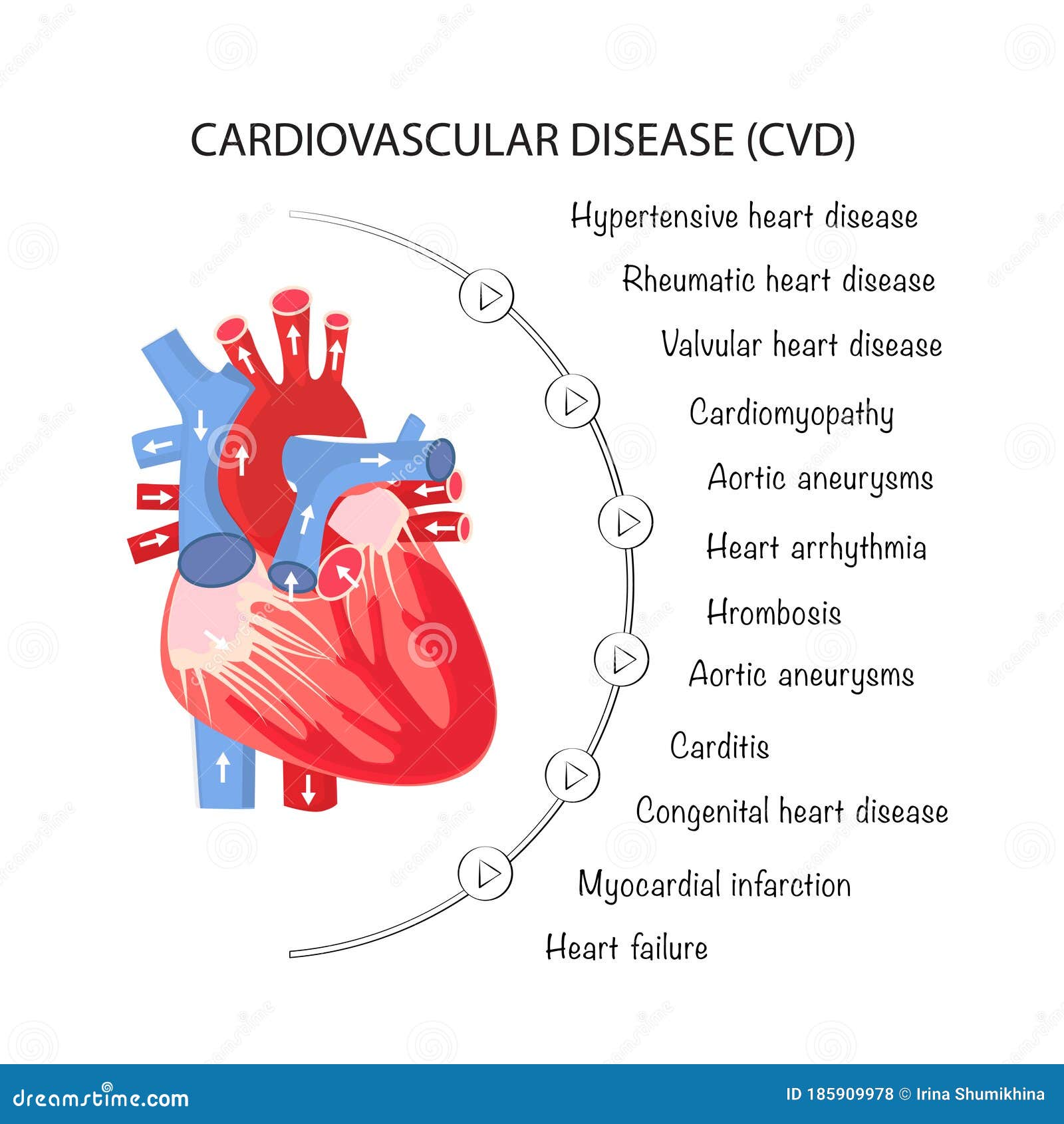
Historically, the medical establishment adopted a reactive stance: manage the diabetes, monitor the blood pressure, and intervene surgically or pharmacologically only after a cardiovascular event—such as a myocardial infarction—has occurred. This approach is increasingly viewed as suboptimal. By the time a patient presents with clinical cardiovascular disease, the damage to the vascular system may be extensive and, in some cases, irreversible.
Early intervention involves identifying metabolic risk factors in patients who may not yet meet the diagnostic criteria for full-blown disease. This includes monitoring for metabolic syndrome, which is defined by a cluster of conditions: increased blood pressure, high blood sugar, excess body fat around the waist, and abnormal cholesterol or triglyceride levels. The National Heart, Lung, and Blood Institute highlights that the presence of three or more of these factors significantly increases the risk of heart disease, diabetes, and stroke.
The shift toward proactive care also requires a more nuanced conversation between the patient and the physician. It involves moving away from the stigmatization of obesity and toward a model of “shared decision-making.” This means prioritizing long-term health outcomes—such as improved cardiac function and reduced systemic inflammation—over the short-term goal of weight loss alone.
Challenges in Implementation
Despite the scientific clarity regarding the link between obesity and heart health, several barriers remain. Access to specialized care, the high cost of newer pharmacological agents, and the systemic lack of integrated care pathways in many healthcare systems often delay treatment. There is a persistent knowledge gap regarding the efficacy of early-stage interventions among both the general public and primary care providers.
Addressing these challenges requires a multi-pronged policy approach. This includes:
- Strengthening primary care infrastructure to facilitate early screening for metabolic markers.
- Increasing public health education initiatives that frame obesity as a manageable chronic condition rather than a moral failing.
- Ensuring equitable access to evidence-based treatments that have been proven to reduce cardiovascular mortality.
As we look toward the future of internal medicine, the goal is clear: to treat the patient as a whole, rather than treating individual organs in isolation. By recognizing the synergy between metabolic health and cardiovascular integrity, One can move closer to a standard of care that prioritizes prevention, preserves quality of life, and saves lives.
Key Takeaways for Patients and Providers
- Integrated Health: Obesity, diabetes, and cardiovascular disease are part of a single, interconnected metabolic syndrome.
- Early Detection: Regular screening for blood pressure, glucose, and lipid profiles is essential, even in the absence of symptoms.
- Evidence-Based Innovation: New classes of medication are offering dual benefits for weight management and cardiovascular protection.
- Patient-Centered Care: Focus on long-term metabolic markers rather than just the number on a scale.
The next major milestone in this field will be the release of updated clinical guidelines by the European Society of Cardiology (ESC), which are expected to further refine the integration of metabolic management into heart disease prevention protocols later this year. We encourage our readers to discuss their metabolic health markers with their primary care physician during their next wellness visit. If you have questions or experiences regarding these new approaches to health, please share them in the comments section below.
Related reading