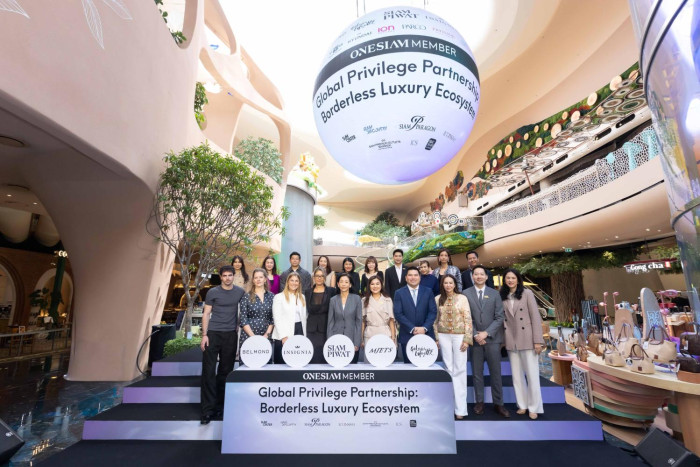
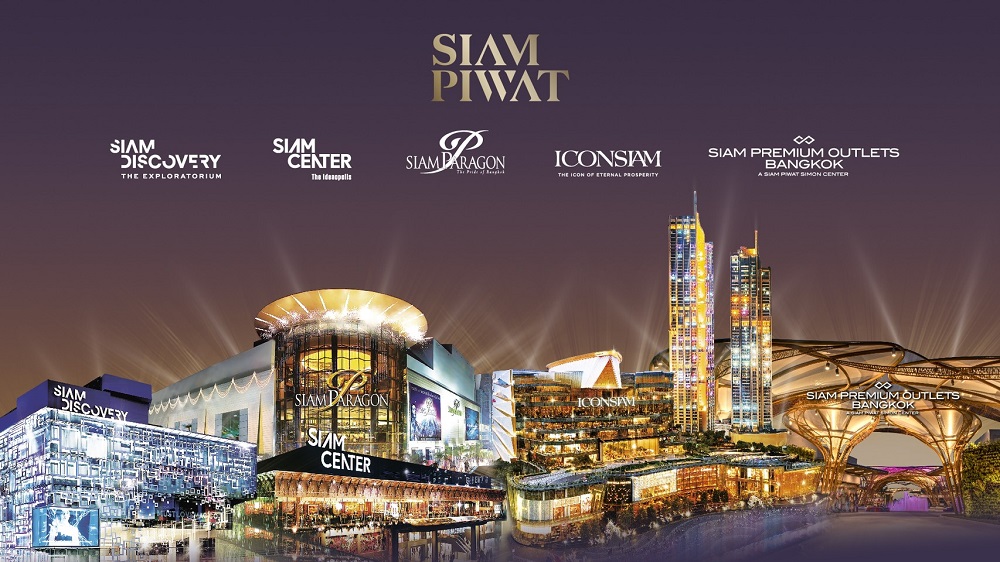
In the evolving landscape of Southeast Asian retail, Siam Piwat Group is intensifying its focus on the high-end consumer sector. As a prominent developer behind iconic Bangkok landmarks such as Siam Paragon, Siam Center, and Siam Discovery, the company is strategically realigning its global luxury system to capture a larger share of the region’s growing affluent demographic. This move comes at a time when Bangkok continues to solidify its reputation as a premier destination for international luxury brands seeking to expand their footprint in emerging markets.
The strategy centers on cultivating deeper, more integrated partnerships with global luxury houses. By leveraging its established infrastructure, Siam Piwat aims to create a “luxury ecosystem” that transcends traditional retail, focusing instead on immersive brand experiences tailored to high-net-worth individuals. This pivot reflects a broader trend in global retail, where developers are increasingly acting as curators of lifestyle experiences rather than mere providers of floor space. According to recent market analysis from Bain & Company, the global luxury market remains resilient, with sustained demand in Asia serving as a primary engine for long-term growth.
Strategic Expansion of the Luxury Ecosystem
Siam Piwat’s approach to scaling its luxury segment involves more than just physical expansion. It’s rooted in data-driven engagement and exclusive services. The group has been actively enhancing its digital platforms to offer personalized experiences, aiming to bridge the gap between physical flagship stores and digital customer relationship management. This integration is critical for maintaining loyalty among the “new affluent” class in Asia, a group that expects seamless service across all touchpoints.
The company’s portfolio, which includes the Siam Paragon shopping complex, serves as the cornerstone of this strategy. By hosting high-profile events and exclusive pop-ups for global fashion houses, the group has successfully positioned itself as a gateway for international brands entering the Thai market. These efforts are supported by robust infrastructure investments; for instance, the group has consistently upgraded its retail environments to meet the stringent design and operational standards required by top-tier luxury labels.
Market Dynamics and Consumer Trends
The decision to double down on the luxury market is supported by shifting macroeconomic conditions within the ASEAN region. Thailand’s tourism sector, a vital component of its economy, has seen a steady recovery post-2022, bringing an influx of international travelers with significant purchasing power. The rising domestic wealth in Thailand has created a more stable base for luxury retail, reducing reliance on seasonal tourism fluctuations.
Industry observers note that the competition for luxury retail space in prime Bangkok locations is intensifying. Developers are under pressure to provide not just retail space, but “destination” experiences that justify the high cost of physical presence. Siam Piwat’s emphasis on global partnerships allows the firm to differentiate its offerings by securing exclusive collections and hosting regional premieres that are unavailable elsewhere in the country.
The Role of Partnerships in Modern Retail
Collaborating with global luxury houses requires a sophisticated understanding of brand identity and market positioning. Siam Piwat has moved beyond the traditional landlord-tenant relationship, often engaging in co-marketing initiatives that elevate the visibility of both the developer and the brand. This collaborative model is essential in a market where consumers are increasingly discerning about brand heritage and the quality of their shopping environment.
Recent data indicates that the “experience economy” is significantly influencing luxury spending patterns. Customers are looking for stores that offer more than merchandise, including private lounges, concierge services, and curated events. By integrating these elements into its properties, Siam Piwat is aligning itself with the global standards expected by luxury conglomerates such as LVMH and Kering, which prioritize high-touch, personalized retail environments.
Future Outlook and Sustainability
Looking ahead, the focus for Siam Piwat will likely remain on balancing expansion with sustainability—a growing requirement for luxury brands globally. Environmental, Social, and Governance (ESG) criteria are becoming standard in real estate development, and luxury brands are increasingly selective about where they open stores, often favoring developers who demonstrate a commitment to sustainable operations. The group’s ability to integrate green technology and efficient resource management into its sprawling retail complexes will be a key factor in attracting future partners.
as Thailand continues to develop its digital infrastructure and payment systems, the intersection of technology and luxury retail will likely become more pronounced. We can expect to see further investments in omnichannel retail strategies, where the line between physical stores and digital storefronts continues to blur. This evolution is not merely a technical upgrade but a fundamental shift in how luxury goods are marketed and sold to an increasingly mobile and connected consumer base.
As the company prepares for its next phase of growth, stakeholders will be looking for continued transparency in its development milestones and strategic partnerships. The next major update is expected to come through the group’s quarterly financial disclosures or official press announcements regarding new tenant acquisitions and property developments. We will continue to monitor these developments as they unfold in the coming months. What are your thoughts on the evolution of the luxury landscape in Southeast Asia? Share your insights in the comments section below.
Related reading