
Global financial markets are reacting to escalating geopolitical tensions in the Middle East, with investors closely monitoring the impact of ongoing regional conflicts on commodity prices and currency stability. As hostilities persist, energy markets have experienced notable volatility, while safe-haven assets such as gold and the U.S. dollar are seeing renewed interest from market participants seeking to hedge against uncertainty.
The current market climate is defined by a flight to safety as traders evaluate the potential for supply chain disruptions and shifts in global monetary policy. The interplay between military developments and economic indicators remains fluid, creating a complex landscape for institutional investors and central banks alike.
Energy Market Volatility Amid Geopolitical Tensions
Crude oil prices have shown significant sensitivity to the latest developments in the Middle East. When regional conflicts intensify, energy markets often price in the risk of supply disruptions, particularly regarding transit routes and production infrastructure. According to the International Monetary Fund (IMF), global energy markets have been navigating a period where prices are increasingly influenced by geopolitical risk premiums rather than solely by supply-demand fundamentals.
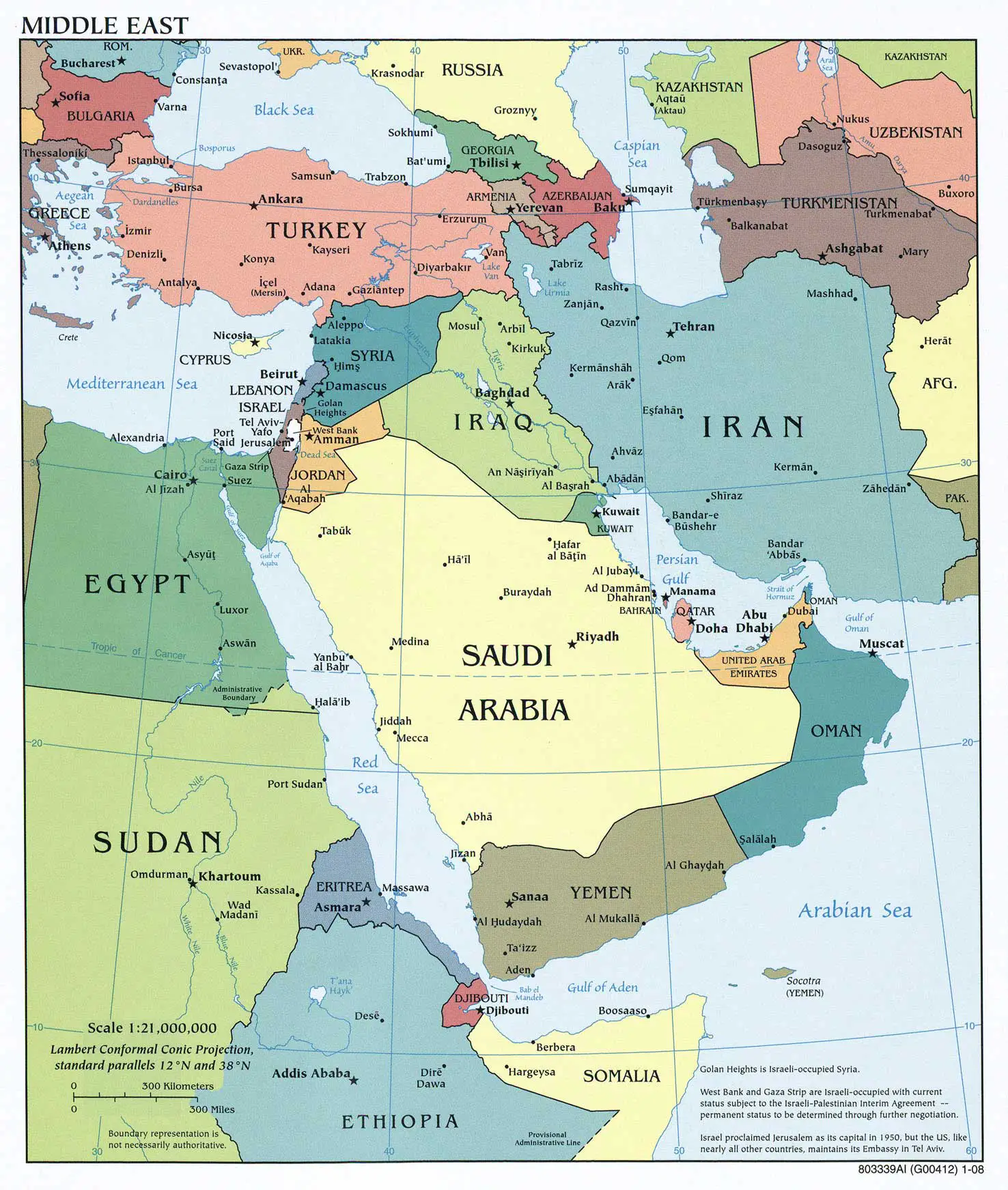
Market analysts note that the recent fluctuations in oil prices reflect a broader concern over the stability of energy exports from the region. While prices have occasionally surged following reports of intensified military activity, the long-term trajectory remains subject to how these events influence international trade policies and the strategic reserves of major economies.
Gold and the U.S. Dollar as Safe-Haven Assets
During periods of heightened geopolitical instability, capital often migrates toward assets perceived as lower-risk. Gold has historically served as a hedge against inflation and political turmoil, and recent market behavior suggests this trend continues. Investors frequently move into gold when the outlook for global equities becomes murky, viewing it as a store of value that remains independent of the fiscal policies of individual nations.

Concurrently, the U.S. dollar continues to play a central role in global finance. As the primary reserve currency, it often strengthens during times of crisis. The U.S. Federal Reserve maintains a significant influence over global liquidity, and any shift in the dollar’s value has cascading effects on emerging markets, particularly those that rely on dollar-denominated debt. The current strengthening of the dollar is widely attributed to its status as a liquidity provider during periods of global market stress.
Economic Implications for Emerging Markets
The impact of a strong dollar and volatile energy prices is not felt equally across the globe. Emerging economies, particularly those that are net importers of energy, face the dual challenge of higher import costs and the burden of servicing dollar-denominated loans. This dynamic can lead to inflationary pressures and force central banks in these regions to adjust their interest rates to defend their currencies.
Financial experts emphasize that the current environment requires a disciplined approach to risk management. As international organizations continue to monitor these developments, the focus remains on the potential for long-term economic shifts. The World Bank has frequently highlighted that geopolitical shocks can exacerbate existing vulnerabilities in developing nations, potentially slowing global economic growth if tensions remain unresolved for an extended period.
What Comes Next for Global Markets
Market participants are now looking toward upcoming economic data releases and diplomatic updates to gauge the duration of the current volatility. Key indicators to watch include updated inflation reports and statements from major central banks regarding their interest rate trajectories. These official updates, typically released through standard institutional channels, provide the most reliable framework for understanding how geopolitical events are being integrated into broader economic strategies.
As the situation continues to evolve, investors are encouraged to rely on verified financial disclosures and official government statements rather than speculative reporting. The next scheduled policy meetings and economic outlook briefings from major global institutions will be critical in determining whether the current market trends persist or begin to stabilize. We invite our readers to share their perspectives on these market shifts in the comments section below.
Keep reading
- Former Anthropic Engineer Accuses Company of Lowering AI Safety Standards for Big Clients
- Hidden Defects Lawyer in Toulon: Protect Your Real Estate Rights
- Cubans Face Surge in Deportation Orders in Florida (archynewsy.com)
- Gold Price Outlook: Fed Rates, Geopolitical Tensions, and Market Trends (world-today-news.com)