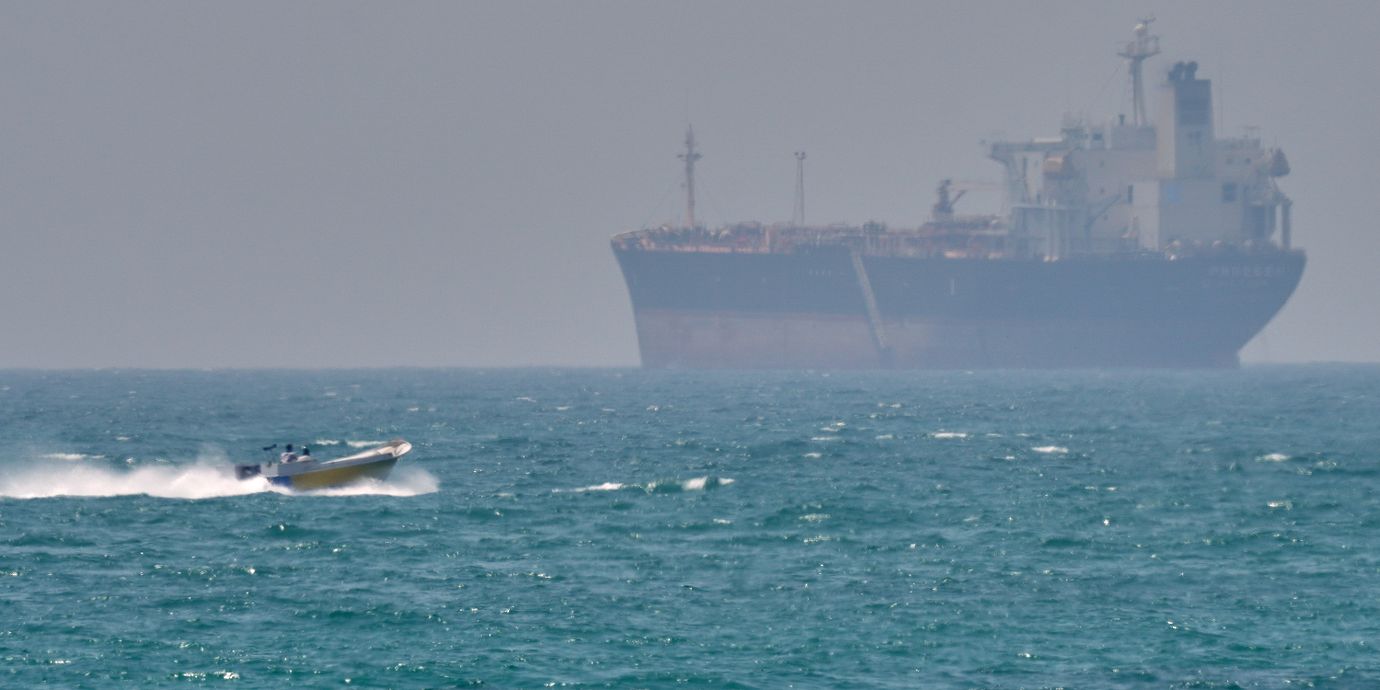
The global energy market is currently navigating significant volatility as United States policy shifts regarding Iranian oil exports create uncertainty in international supply chains. After the U.S. government moved to end sanctions waivers for countries importing oil from Iran, global benchmark crude prices have experienced notable fluctuations.
For market observers, the core issue remains the delicate balance between geopolitical tension and global demand. When supply-side constraints collide with concerns over shipping lanes like the Strait of Hormuz, prices typically trend upward. Conversely, periods where supply increases more than necessary can lead to price falls. Understanding these dynamics is essential for businesses and consumers alike as they prepare for potential fluctuations in energy-related expenditures.
The Mechanics of Sanctions and Market Reaction
The decision by the U.S. to eliminate exemptions for Iranian oil buyers was designed to impact exports. When these exemptions expired, the immediate market response was a tightening of global supply, which serves as a catalyst for upward price pressure.

However, the market does not operate in a vacuum. While the loss of Iranian supply creates upward pressure, the broader context of the global oil market involves complex variables. When production from other regions exceeds expectations, the anticipated price spikes from sanctions can be dampened or even reversed.
Geopolitical Risk and the Strait of Hormuz
A persistent factor in oil price volatility is the security of the Strait of Hormuz. Reports of attacks in Hormuz frequently trigger immediate price increases. These spikes reflect the “risk premium” traders apply to crude oil when they perceive a threat to the physical flow of energy commodities.

Market analysts monitor these developments closely, noting that the perception of danger is enough to influence futures contracts. The correlation between reports of regional instability and daily price movements highlights the sensitivity of the market. Investors typically view these reports as indicators of potential supply chain bottlenecks.
Economic Indicators and Consumer Impact
The impact of crude oil price volatility eventually cascades down to the retail level, affecting the cost of gasoline, diesel, and heating fuels. Sustained increases in the price of a barrel of oil generally lead to higher costs for consumers.
For businesses, particularly those in logistics, aviation, and manufacturing, energy price spikes represent a significant operational challenge. Many firms manage this risk through hedging strategies, though smaller enterprises often face the full brunt of retail price increases. A slowdown in global manufacturing often offsets the supply-side impact of sanctions, leading to the price “corrections” frequently observed in market cycles.
Looking Ahead: Market Monitoring
The next major checkpoint for the oil market involves updated projections on global demand and supply balances. These documents serve as the primary source for market participants to gauge whether the supply shortfall from sanctioned nations is being adequately filled by other producers. As of the current reporting period, the market will likely remain sensitive to any news affecting output levels in the Middle East.
Stakeholders are encouraged to monitor official updates for the most accurate data on petroleum production, imports, and inventory levels. Navigating these fluctuations requires a clear understanding of the difference between temporary geopolitical news cycles and the long-term fundamentals of supply and demand. We invite our readers to share their perspectives on how these energy market shifts are impacting their respective sectors in the comments section below.