
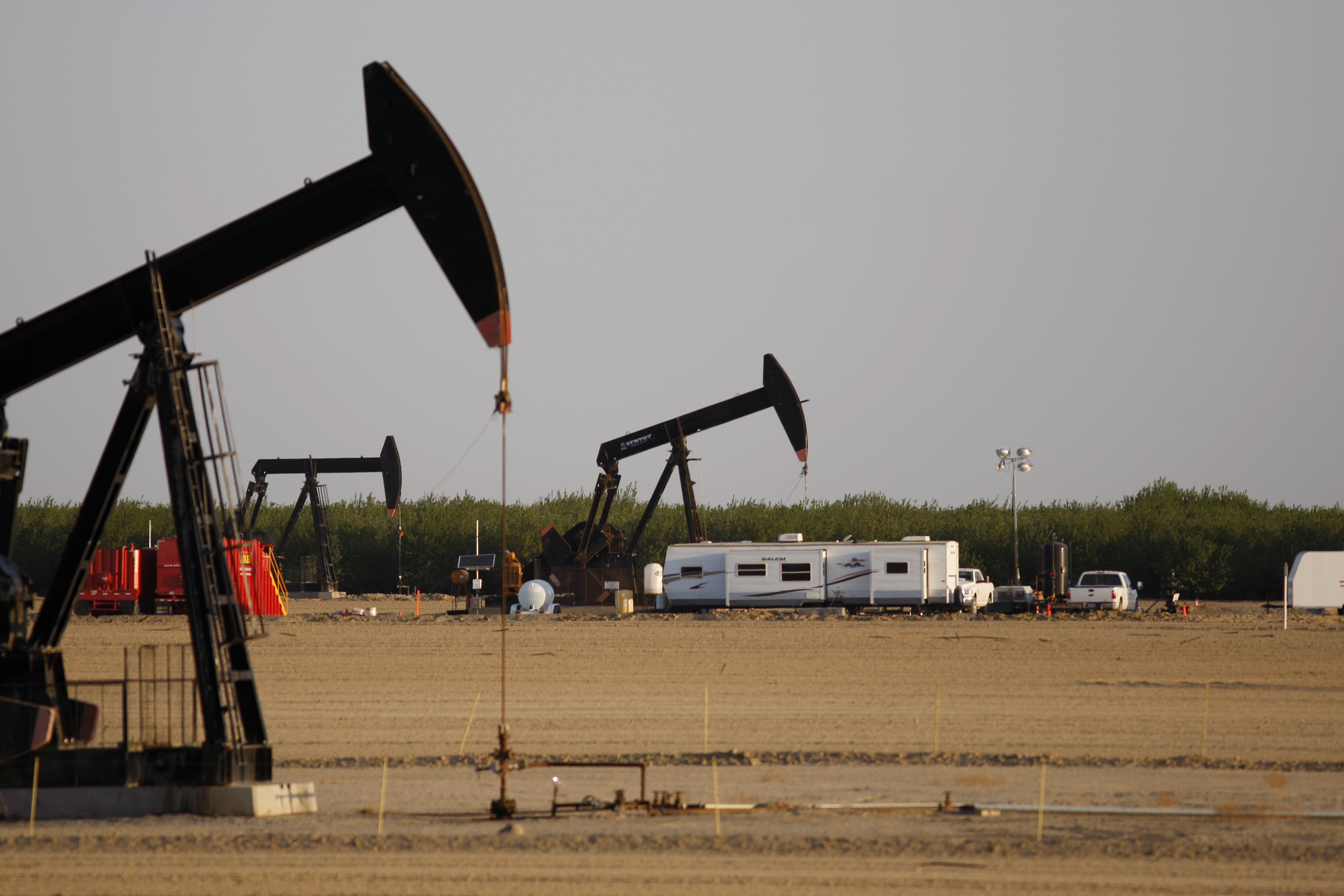
Global oil prices fell by nearly 4% on Tuesday, their steepest drop in two weeks, as markets reacted to the first round of indirect negotiations between the United States and Iran in Switzerland. Benchmark Brent crude dropped to $84.32 per barrel, while West Texas Intermediate (WTI) fell to $80.15, according to data from Bloomberg Commodities. Analysts attribute the decline to a mix of cautious optimism about potential sanctions relief and lingering concerns over global supply tightness.
The talks, held in Geneva under Swiss mediation, marked the first direct engagement between Washington and Tehran since the U.S. withdrawal from the 2015 nuclear deal in 2018. While no concrete agreements were announced, the mere resumption of dialogue has sent ripples through energy markets, where Iran’s potential return to oil exports could disrupt the balance between supply and demand.
Yet traders and economists warn that the market’s reaction may be premature. “The drop reflects short-term speculation rather than fundamental changes,” said Amrita Sen, director of energy insights at consultancy Energy Aspects. “Sanctions remain in place, and any easing would take months to implement.” The International Energy Agency (IEA) has previously estimated that lifting sanctions could add up to 1.5 million barrels per day to global supply—a figure that could pressure prices if realized.
Why Are Markets Reacting to U.S.-Iran Talks?
The indirect negotiations in Switzerland—facilitated by Switzerland, Oman, and Iraq—come as global oil prices have hovered near their highest levels since 2014. The International Energy Agency (IEA) reported last week that demand remains robust, particularly in Asia, while supply disruptions in Libya and Venezuela have tightened markets. Iran, with its proven reserves of 160 billion barrels, holds the potential to significantly alter this dynamic.

However, the path to sanctions relief is fraught with obstacles. The U.S. has demanded that Iran first address concerns over its nuclear program and regional activities, including support for proxy groups in the Middle East. “This is a marathon, not a sprint,” noted a senior State Department official, speaking on condition of anonymity. The official added that any progress would require multiple rounds of negotiations and verification steps.
For now, the market’s reaction underscores the delicate balance between hope and caution. While the 4% drop may signal temporary relief for consumers, industry experts caution that prices could rebound if talks stall or if geopolitical tensions flare elsewhere, such as in the Red Sea, where Houthi attacks on commercial shipping have disrupted trade routes.
What Happens Next: Key Checkpoints for Oil Markets
The next critical phase in the negotiations is scheduled for April 15–16 in Muscat, Oman, where direct talks between U.S. and Iranian officials are expected to resume. According to Al Jazeera, Swiss diplomats have confirmed that the focus will shift to technical discussions on nuclear safeguards and regional security guarantees.

In the meantime, oil producers are monitoring the situation closely. The Organization of the Petroleum Exporting Countries (OPEC) is expected to release its monthly report on April 10, which could provide further insight into supply dynamics. Meanwhile, the U.S. Energy Information Administration (EIA) will publish its Short-Term Energy Outlook on April 9, offering projections on price trends.
For consumers, the immediate impact of the price drop may be limited. While gasoline prices in the U.S. have already begun to reflect the decline—down by 2 cents per gallon in the past week, according to EIA data—experts warn that volatility will persist. “This is a snapshot, not a trend,” said Bob McNally, president of Rapidan Energy Group. “The real test will be whether these talks lead to tangible outcomes—or just more talk.”
Who Stands to Gain—or Lose—from Potential Sanctions Relief?
The potential easing of U.S. sanctions on Iran’s oil sector could have far-reaching consequences, affecting everything from global supply chains to regional geopolitics. Below is a breakdown of the key stakeholders:
- Iran: Could see a rapid rebound in oil exports, with estimates suggesting up to 1.5 million barrels per day returning to the market. However, infrastructure damage from years of sanctions and U.S. pressure on shipping insurers could delay a full recovery.
- OPEC+: The alliance, led by Saudi Arabia and Russia, may face pressure to adjust production quotas if Iranian oil floods the market. Analysts at Oxford Institute for Energy Studies suggest that Saudi Arabia, in particular, could reduce output to offset Iranian supply.
- U.S. Shale Producers: While lower oil prices could hurt margins, the U.S. energy sector has shown resilience in high-price environments. Some analysts, like those at Rystad Energy, predict that shale producers will prioritize cost-cutting over production cuts.
- European Buyers: The EU has been quietly exploring ways to circumvent U.S. sanctions to purchase Iranian oil, particularly for refining purposes. Any formal easing of sanctions could accelerate these efforts, benefiting European refiners.
- Global Consumers: The immediate drop in prices offers temporary relief, but long-term trends depend on whether sanctions are fully lifted or only partially eased.
Historical Context: How Past Talks Have Shaped Oil Markets
This is not the first time U.S.-Iran negotiations have sent shockwaves through oil markets. In 2015, the Joint Comprehensive Plan of Action (JCPOA)—commonly known as the Iran nuclear deal—led to a temporary surge in Iranian oil exports, contributing to a 10% drop in global oil prices within six months. However, the deal’s collapse in 2018 under the Trump administration saw Iranian exports plummet, tightening markets and pushing prices back above $70 per barrel.

Today’s talks differ in key ways. Unlike the JCPOA, which focused solely on nuclear issues, these negotiations also address regional security concerns—a factor that complicates any potential deal. “The nuclear issue is the entry point, but the real hurdle is regional stability,” said a Brookings Institution analyst in a recent briefing. This broader scope may delay any tangible outcomes, keeping markets on edge.
For now, the focus remains on the next round of talks in Oman. Until then, oil traders will continue to navigate a landscape of uncertainty—where every diplomatic signal could trigger another wave of market reactions.
Next Steps: The U.S. State Department will hold a press briefing on April 5 to provide updates on the negotiations. For real-time oil price tracking, visit the Bloomberg Commodities Dashboard. Share your thoughts on how these talks could impact global energy markets in the comments below.