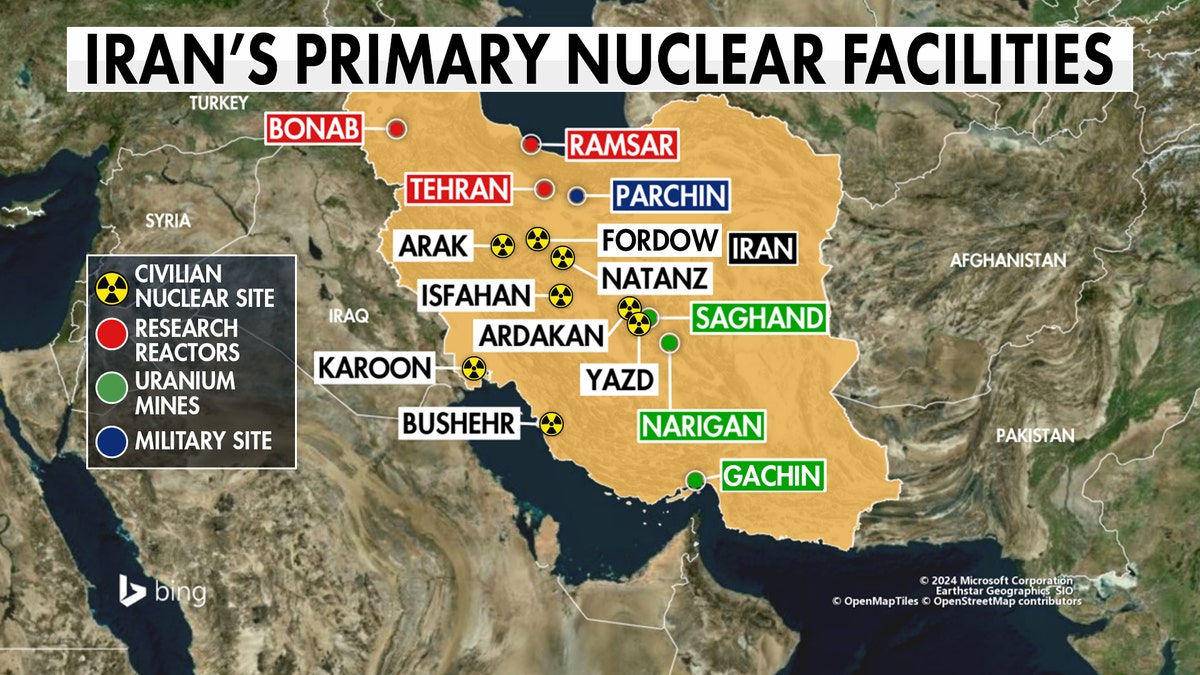
Oil prices have declined following signals from Iran suggesting a potential breakthrough in diplomatic negotiations, according to recent market analysis. The drop comes amid heightened attention on Middle Eastern geopolitics and its influence on global energy markets. Traders are closely monitoring developments as any shift in regional tensions could significantly affect crude supply dynamics.
The movement in oil markets reflects broader investor sensitivity to diplomatic progress between Iran and other international actors. Analysts note that even the prospect of de-escalation can trigger immediate reactions in commodity trading, particularly when it involves major oil-producing nations. This sensitivity underscores the interconnectedness of political stability and energy pricing.
Market observers point to recent statements from Iranian officials indicating openness to renewed dialogue as a key factor behind the downward pressure on prices. Even as no formal agreement has been announced, the tone of communications has shifted in ways that market participants interpret as reducing the risk of near-term conflict escalation.
Financial analysts emphasize that oil markets often react swiftly to geopolitical signals, sometimes ahead of concrete outcomes. This anticipatory behavior means that price movements can occur based on perceptions of future developments rather than confirmed changes in policy or action. As such, volatility remains a characteristic feature during periods of diplomatic uncertainty.
The current situation highlights how energy markets serve as a barometer for international relations, particularly in regions critical to global oil production. Any perceived reduction in hostilities tends to ease concerns about supply disruptions, which in turn can lead to lower benchmark prices for crude oil.
Traders and investors are advised to remain cautious, as market sentiment can shift rapidly if diplomatic efforts stall or reverse. Historical patterns demonstrate that optimism in such contexts is often fragile and subject to renewal based on subsequent events or statements from involved parties.
For now, the focus remains on verifying whether Iran’s signaled openness translates into measurable steps toward negotiation or de-escalation. Until then, oil prices are likely to remain responsive to any new information emerging from diplomatic channels related to the region.
Worth a look