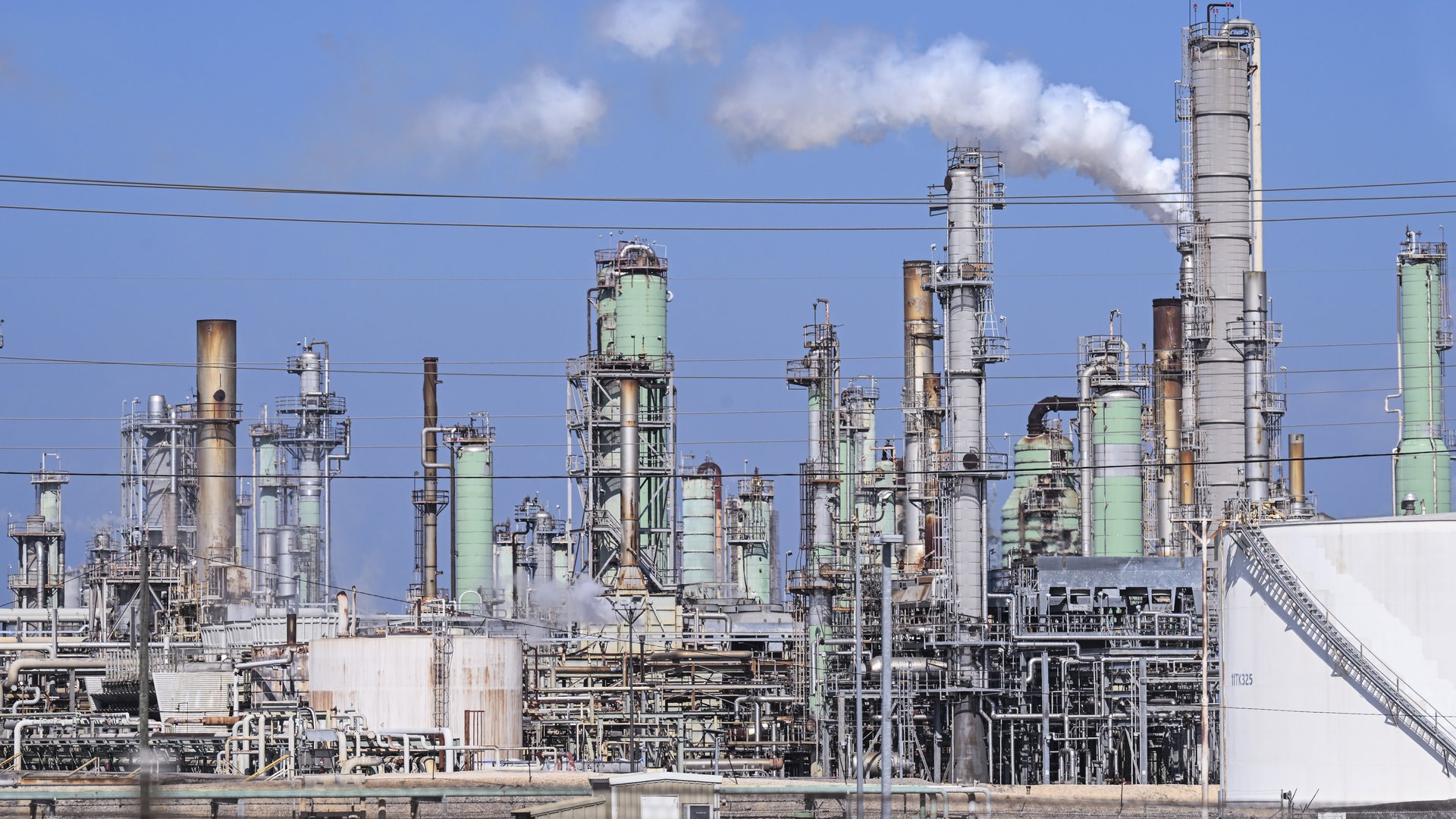
Global oil markets experienced significant volatility as Brent crude surged toward $90 per barrel on March 6, 2026, following escalating U.S.-Iran tensions. The disruption of the Strait of Hormuz—a transit point for 20% of the world’s daily oil supply—has trapped millions of barrels and spurred fears of a prolonged energy crisis.
Market Volatility and the $90 Hurdle
Oil prices saw a sharp upward trajectory as geopolitical risks intensified. U.S. West Texas Intermediate (WTI) crude followed suit, jumping above $87. The rally was fueled by reports of U.S.-Israeli strikes on Iran and subsequent retaliatory actions targeting energy infrastructure in the Persian Gulf.
Market analysts have expressed caution regarding the sustainability of these gains.
The question now is what additional catalyst is required to push Brent through Tuesday’s highs and towards $90 when so much negative news has already been priced in, Weston noted.
Supply Bottlenecks at the Strait of Hormuz
The primary concern for global energy markets remains the Strait of Hormuz. Shipping analytics firm Vortexa estimates that approximately 16 million barrels of crude oil per day are effectively trapped within the Persian Gulf because tankers cannot safely navigate the waterway.
For more on this story, see Trump Silent on Iran Strategy as US Death Toll Hits 17 in Escalating Conflict.
Beyond the immediate shipping disruptions, a secondary supply crisis is emerging within the Gulf itself. Reports indicate that Kuwait has begun cutting production at its oil fields due to a lack of storage capacity. With global oil storage nearing maximum levels, the ability to maintain current output is becoming increasingly constrained.
Infrastructure Strikes and Economic Risks
The conflict expanded to physical energy infrastructure when an Iranian drone strike hit an oil-storage facility at Saudi Aramco’s Ras Tanura refinery. While officials reported that the resulting small fire was brought under control, the incident forced a precautionary halt in operations at one of Saudi Arabia’s primary export hubs.
These developments have prompted international financial institutions to reevaluate global growth projections. The International Monetary Fund (IMF) stated it is closely monitoring developments
as it reviews its 2026 growth forecast of 3.3 per cent. Analysts at Citi have highlighted the scale of the disruption, estimating that between 7 million and 11 million barrels of crude oil per day—along with 4 to 5 million barrels of refined petroleum products—are currently unable to reach global markets.
Retail Implications and Future Price Trajectories
For the average consumer, the surge in crude prices suggests a potential rise in retail gasoline costs. Historical estimates suggest a pass-through effect of roughly 2 to 3 cents per gallon for every $1 increase in the price of oil. Depending on wholesale markets and regional supply conditions, drivers may see these changes manifest within days.
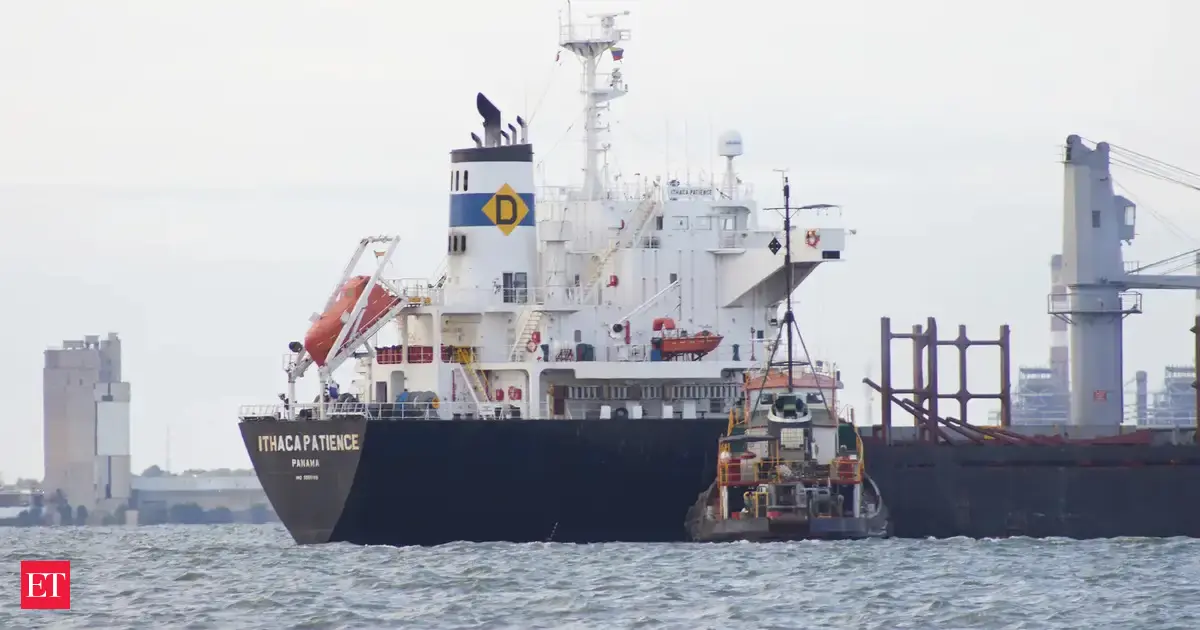
Looking ahead, market participants remain focused on whether diplomatic or military developments will provide a path to stabilizing the region.
Should we see meaningful signs of convergence between Iran and the US, traders expect Tehran would quickly rein in Houthi activity, Weston said.
Until then, the market remains in a state of high alert, with prices sensitive to any further news regarding the security of the Persian Gulf shipping lanes.