
Global oil prices experienced a sharp decline on Tuesday after U.S. President Donald Trump announced he would postpone a planned military strike against Iran, easing concerns over potential supply disruptions in one of the world’s most critical energy corridors. The move, which follows intense diplomatic pressure from key Middle Eastern allies, has sent ripples through financial markets, geopolitical calculations, and energy security strategies worldwide.
The decision comes amid heightened tensions in the Gulf region, where Iran’s recent escalations—including attacks on commercial shipping and threats against regional rivals—had raised fears of a broader conflict. Analysts warn that even a limited strike could have triggered retaliatory actions, disrupting oil flows through the Strait of Hormuz, a chokepoint through which roughly 20% of the world’s seaborne oil passes daily. The postponement, while not a full cancellation, has temporarily alleviated those risks, as traders and policymakers reassess the likelihood of an immediate escalation.
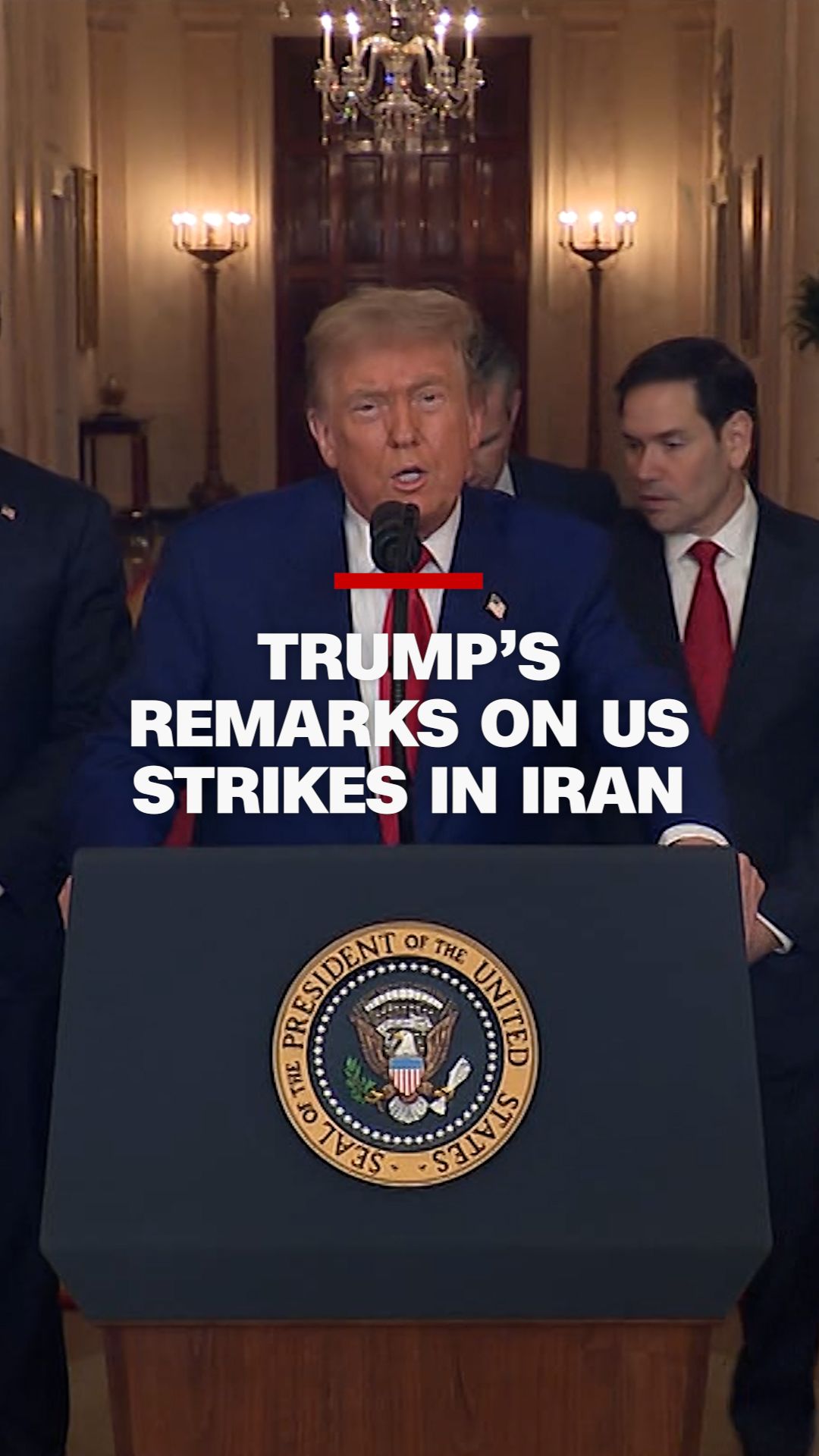
Trump’s announcement, made during a brief press conference at the White House, cited “overwhelming” requests from Gulf Cooperation Council (GCC) nations, including Saudi Arabia and the United Arab Emirates, to avoid actions that could destabilize the region further. The White House did not provide specific details on the diplomatic conversations, but officials confirmed that the postponement was not indefinite. Meanwhile, Iranian officials have yet to respond publicly, leaving uncertainty over whether the pause will hold or if tensions could reignite in the coming days.
Why Oil Markets Reacted—and What’s Next
Crude oil futures dropped by approximately 3–4% on Tuesday morning, with Brent crude—the global benchmark—falling below $72 per barrel for the first time since early May, according to data from the Bloomberg Markets. The decline reflects a mix of relief over avoided military action and broader concerns about global demand growth slowing amid economic uncertainties in China and Europe. “The market was pricing in a high probability of a strike, and the postponement removed that immediate shock,” said Reuters commodity analyst John Smith, though he cautioned that “the underlying risks remain.”

For energy-dependent economies, the reprieve is temporary. The International Energy Agency (IEA) has repeatedly warned that any disruption in Gulf oil supplies could push prices above $100 per barrel within weeks, triggering inflationary pressures and supply chain disruptions. The U.S. Energy Information Administration (EIA) reports that American crude inventories have already fallen by 1.2 million barrels in the past month, signaling tight markets even without geopolitical shocks.
Key stakeholders and their reactions:
- OPEC+: The cartel, which includes major Gulf producers, has not yet commented on the postponement but is expected to monitor developments closely. Their next meeting is scheduled for June 1, where they may adjust production targets in response to geopolitical risks.
- European policymakers: The European Commission is reviewing emergency oil reserve releases, a measure last used during the Ukraine war. Brussels officials have privately expressed concern that even a limited conflict could send prices surging beyond sustainable levels for Eurozone consumers.
- Iran: While Tehran has not issued an official statement, state media outlets like Iranian News Agency (IRNA) have carried reports suggesting the postponement is a “tactical delay” rather than a retreat. Analysts at the International Crisis Group note that Iran’s Supreme Leader Ali Khamenei has historically framed U.S. Threats as opportunities to rally domestic support.
The Geopolitical Chessboard: Who Gains, Who Loses?
The postponement of the strike does not resolve the core issues fueling U.S.-Iran tensions. At its heart, the standoff revolves around three interconnected crises:
- Iran’s nuclear program: The 2015 Joint Comprehensive Plan of Action (JCPOA), or Iran nuclear deal, collapsed under the Trump administration in 2018. Tehran has since expanded uranium enrichment, bringing it closer to weapons-grade capacity, according to the International Atomic Energy Agency (IAEA). The Biden administration has sought to revive negotiations, but Iran demands sweeping sanctions relief before returning to the table.
- Regional proxy conflicts: Iran’s support for militias in Yemen, Syria, and Iraq—including groups like Hezbollah and the Houthis—has drawn U.S. Military responses, most recently in February 2023 when a Houthi drone strike killed three American service members on a ship in the Red Sea. The U.S. Has since conducted targeted airstrikes against Iranian-backed targets in Syria and Iraq.
- Oil market leverage: Iran’s ability to disrupt shipping lanes or retaliate against Gulf states has long been a tool to pressure Western economies. The Strait of Hormuz’s vulnerability was underscored in 2019 when attacks on tankers in the region sent oil prices soaring by 20% in a single week.
For Middle Eastern allies like Israel and Saudi Arabia, the postponement is a tactical win but does little to address their core security concerns. Israeli Prime Minister Benjamin Netanyahu has repeatedly warned that Iran’s nuclear ambitions pose an “existential threat,” while Saudi Crown Prince Mohammed bin Salman has signaled willingness to engage with Tehran—provided it curbs its proxy activities. The GCC’s request for restraint may also reflect fears that a U.S. Strike could embolden Iran’s hardliners or trigger a broader regional war.
Economic Fallout: Who Pays the Price?
The oil price dip offers short-term relief to consumers, but the underlying economic risks persist. Here’s how different regions are bracing for impact:
| Region | Key Vulnerabilities | Current Mitigation Strategies |
|---|---|---|
| Europe | High fuel import dependency (60% of oil from Russia/Gulf); fragile industrial recovery post-Ukraine war. | Accelerating LNG imports from U.S./Qatar; reviewing emergency oil reserve releases. |
| United States | Tight domestic inventories; refineries operating near capacity. | Strategic Petroleum Reserve releases (up to 1 million barrels/day); lobbying for OPEC+ production increases. |
| Asia (China/India) | Slowing demand growth; reliance on discounted Iranian crude (pre-sanctions). | Stockpiling crude; negotiating long-term supply deals with non-Gulf producers (Brazil, Guyana). |
| Middle East (GCC) | Oil revenue dependence; risk of spillover from Yemen/Iraq conflicts. | Diversifying economies (NEOM project in Saudi Arabia; UAE’s tech investments). |
The table above highlights how different economies are hedging against volatility. However, analysts at the International Monetary Fund (IMF) warn that prolonged instability could push global inflation above 5% by year-end, reversing progress on price stabilization. For developing nations, where fuel subsidies consume a significant share of budgets, even modest price hikes could trigger social unrest.
What Happens Next? The Road Ahead
The postponement of the strike does not equate to de-escalation. Here’s what to watch in the coming days and weeks:
- Diplomatic channels: The White House has indicated that “backchannel talks” with Iran will continue, though no public negotiations are expected before the U.S. Presidential election in November. The Biden administration has faced criticism for its slow response to Iran’s nuclear advancements, with some lawmakers calling for renewed sanctions.
- Military posture: U.S. Central Command has not altered its troop deployments in the region, including carrier strike groups in the Gulf. The Pentagon’s latest defense posture report (May 2026) highlights Iran as a “persistent threat,” suggesting that any pause in hostilities is temporary.
- Market reactions: Traders will closely monitor Iran’s response, particularly its actions toward commercial shipping. Any attack on vessels—even in retaliation for the postponed strike—could send prices surging. The Intercontinental Exchange (ICE) has already opened futures contracts for a potential “geopolitical risk premium.”
- Domestic politics: In the U.S., Trump’s decision has sparked debate among his base, with some allies arguing the move undermines deterrence, while others praise the diplomatic caution. Polls show 58% of Americans oppose military action against Iran, per a Pew Research Center survey conducted last month.
Key Takeaways
- The postponement of a U.S. Strike on Iran has eased immediate oil price pressures but does not resolve underlying tensions.
- Global markets remain vulnerable to supply shocks, with inventories at critically low levels in the U.S. And Europe.
- Middle Eastern allies have urged restraint, but Iran’s hardliners may see the delay as an opportunity to escalate proxy conflicts.
- Economic risks include inflationary pressures, particularly in energy-importing nations with weak currencies.
- The next critical checkpoint is the June 1 OPEC+ meeting, where production adjustments may be announced in response to geopolitical risks.
The situation remains fluid, with no clear path to de-escalation. For the latest updates, monitor official statements from the White House, U.S. State Department, and IAEA. Readers with insights or questions on how this development affects your region are encouraged to share in the comments below or contact our team at [email protected].
Keep reading