In a shocking turn of events that has sent shockwaves through San Diego’s Muslim community and beyond, a violent incident at a local Islamic center has raised urgent questions about security, community resilience, and the broader implications for interfaith relations in the United States. While initial reports from social media platforms—including a widely shared TikTok video—suggested a terror attack, law enforcement officials have yet to confirm the full scope of the incident, its motives, or whether it aligns with any known extremist activity. As details continue to emerge, one thing is clear: this event has thrust the Islamic Center of San Diego into the spotlight, forcing a reckoning with questions of safety, vigilance, and the evolving landscape of hate crimes in America.
The Islamic Center of San Diego, a long-standing hub for the city’s Muslim population, serves as both a place of worship and a community gathering space. Founded in the 1970s, the center has played a pivotal role in fostering interfaith dialogue and cultural exchange in Southern California. Yet, like many religious institutions across the country, it has not been immune to the rising tensions that have marked the post-9/11 era, particularly in the wake of high-profile incidents targeting mosques and Muslim communities. The most recent attack, if confirmed, would add to a troubling pattern of violence that has left communities grappling with fear and uncertainty.
As of Tuesday, May 19, 2026, no official statement from the San Diego Police Department (SDPD) or the Federal Bureau of Investigation (FBI) has been released regarding the incident. Local media outlets, including KCBS Radio and 10News San Diego, have reported on the unfolding situation, but critical details—such as the number of victims, the nature of the attack, and the status of any suspects—remain unverified. This lack of clarity has fueled speculation and heightened anxiety within the Muslim community, which has historically faced scrutiny and discrimination in the United States.
What is known is that the incident occurred during regular operating hours, prompting an immediate response from law enforcement. Eyewitness accounts, shared widely on social media, describe a chaotic scene involving armed individuals and a possible confrontation inside the center’s premises. However, without official confirmation, these accounts must be treated with caution. The Islamic Center of San Diego has not issued a public statement, and its leadership has not been publicly quoted on the matter. This silence underscores the delicate balance the community faces: the need for transparency versus the potential for misinformation to exacerbate an already volatile situation.
Unanswered Questions and the Path Forward
As authorities work to piece together the events of the incident, several critical questions remain unanswered:
- What was the motive behind the attack? While early reports suggest a possible terror-related incident, law enforcement agencies are likely investigating multiple angles, including domestic extremism, gang activity, or other forms of targeted violence.
- How many individuals were affected? Without official confirmation, it is impossible to determine the number of casualties or injuries. Reports vary, with some social media posts claiming multiple victims, while others suggest a single incident without fatalities.
- What role, if any, did law enforcement play in preventing further harm? The response time of local police and the coordination with federal agencies like the FBI will be scrutinized in the coming days. The SDPD has not yet provided a timeline or details on the investigation’s progress.
- How is the Muslim community responding? Leaders and activists are urging calm while demanding accountability. Organizations such as the Council on American-Islamic Relations (CAIR) have not yet issued a statement specific to this incident, but they have historically condemned violence against Muslim institutions and advocated for stronger protections.
In the absence of official updates, the Muslim community in San Diego is left to navigate a landscape of uncertainty. For many, this incident is a stark reminder of the persistent challenges they face, from systemic discrimination to targeted acts of violence. The Islamic Center of San Diego, like other mosques across the country, has long served as a beacon of resilience, offering not only spiritual guidance but also a sense of belonging in a diverse and often divided society. Yet, as this crisis unfolds, that resilience is being tested.
Broader Context: Hate Crimes and Security in America
The potential attack on the Islamic Center of San Diego must be viewed within the broader context of hate crimes in the United States. According to the FBI’s 2025 Hate Crime Statistics, incidents targeting religious institutions—particularly mosques, synagogues, and churches—have risen in recent years. The data reflects a troubling trend: in 2024 alone, there were 1,247 religiously motivated hate crimes, with Islamophobic incidents accounting for a significant portion of these cases.
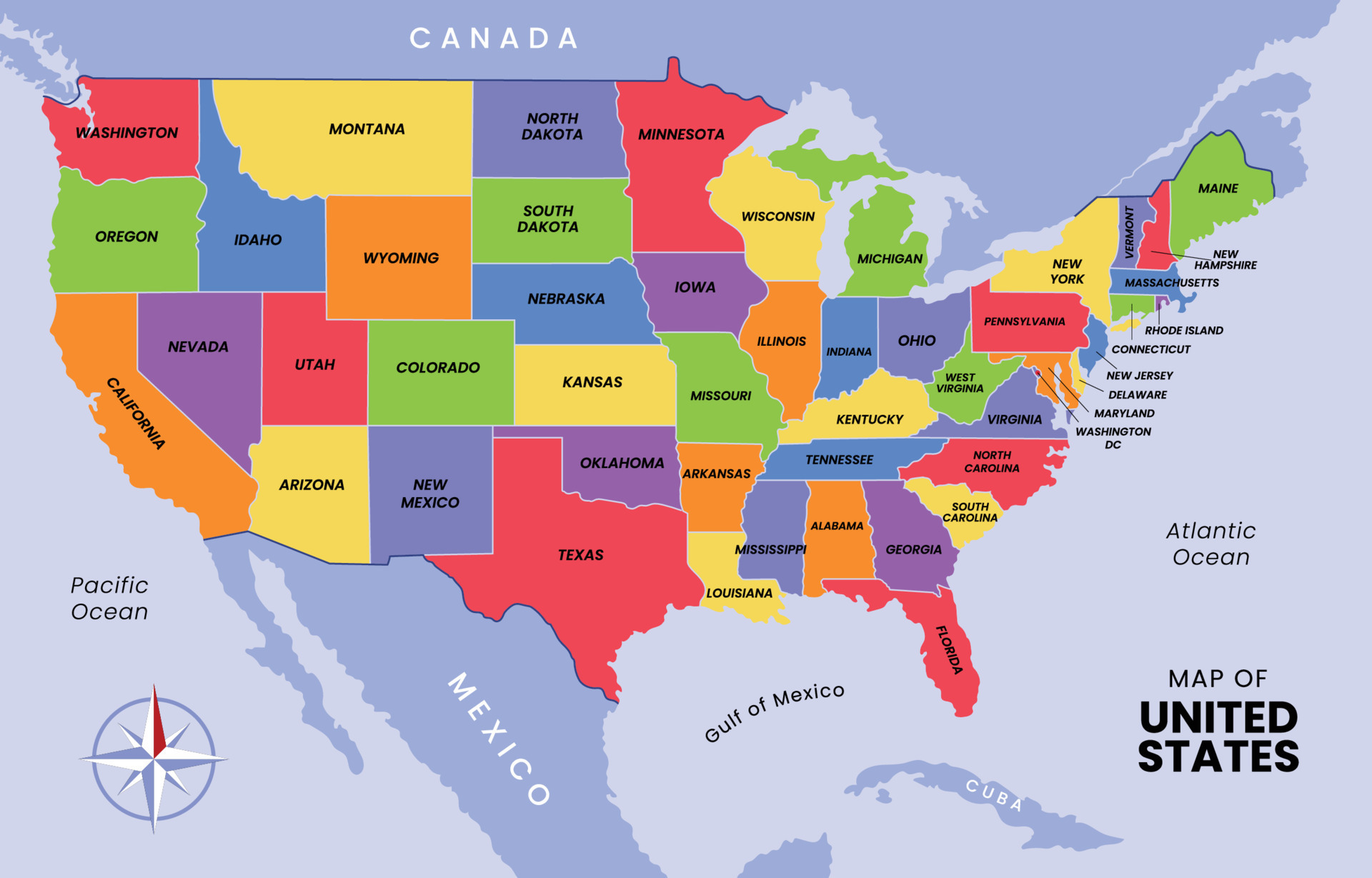
This rise in hate crimes has prompted calls for increased security measures at places of worship. In response, some communities have turned to private security firms, while others have advocated for federal intervention. The Department of Homeland Security (DHS) has occasionally provided grants to religious institutions deemed at high risk, but funding and resources remain unevenly distributed. The Islamic Center of San Diego, like many smaller mosques, may not have access to the same level of protection as larger, more visible institutions.
For the Muslim community, this incident also raises questions about the effectiveness of existing counterterrorism strategies. While federal agencies like the FBI and the Department of Justice (DOJ) have made strides in monitoring extremist activity, critics argue that resources are often diverted to high-profile cases while smaller, localized threats go unaddressed. The lack of a unified national strategy for protecting places of worship has left many communities vulnerable.
Community Resilience and the Road Ahead
Despite the uncertainty, the Muslim community in San Diego is demonstrating the same spirit of unity and determination that has defined its response to past crises. Local imams, community leaders, and activists are organizing vigils, fundraisers, and solidarity events to support those affected. The Islamic Center itself has become a focal point for these efforts, with neighbors and interfaith allies offering their condolences and assistance.
Yet, the road to recovery will be long. For many in the community, this incident is not an isolated event but part of a broader pattern of marginalization and violence. The challenge now is to translate grief into action—whether through advocacy for stronger hate crime laws, increased security measures, or simply fostering greater understanding between communities.
As the investigation continues, the Islamic Center of San Diego and its members will be watching closely for updates from law enforcement. The next critical checkpoint will likely be a press conference or official statement from the SDPD or FBI, expected within the next 24–48 hours. Until then, the community remains in a state of heightened vigilance, united in the hope that justice will be served and that such an attack will never occur again.
What You Can Do
If you are concerned about the safety of religious institutions or wish to support the Muslim community in San Diego, consider the following steps:
- Donate to community relief funds: Organizations like the Council on American-Islamic Relations (CAIR) and local mosques often set up funds to assist victims of hate crimes.
- Attend interfaith solidarity events: Many communities organize vigils or interfaith dialogues in response to such incidents. Check local event listings for opportunities to participate.
- Report hate incidents: If you witness or experience a hate crime, report it to local law enforcement or organizations like the Anti-Defamation League (ADL).
- Educate yourself and others: Combating hate begins with understanding. Learn about Islamophobia, its roots, and how to counter it in daily life.
In the days ahead, the world will be watching San Diego—not just for answers about this incident, but for how a community comes together in the face of adversity. The Islamic Center of San Diego stands as a symbol of hope, resilience, and the enduring power of faith in the face of darkness.
For the latest updates on this developing story, follow official statements from the San Diego Police Department and the FBI’s San Diego field office. We will continue to monitor the situation and provide verified information as it becomes available.
Share your thoughts, condolences, or questions in the comments below. Together, we can ensure that stories of unity and resilience are heard above the noise of fear and division.
Keep reading