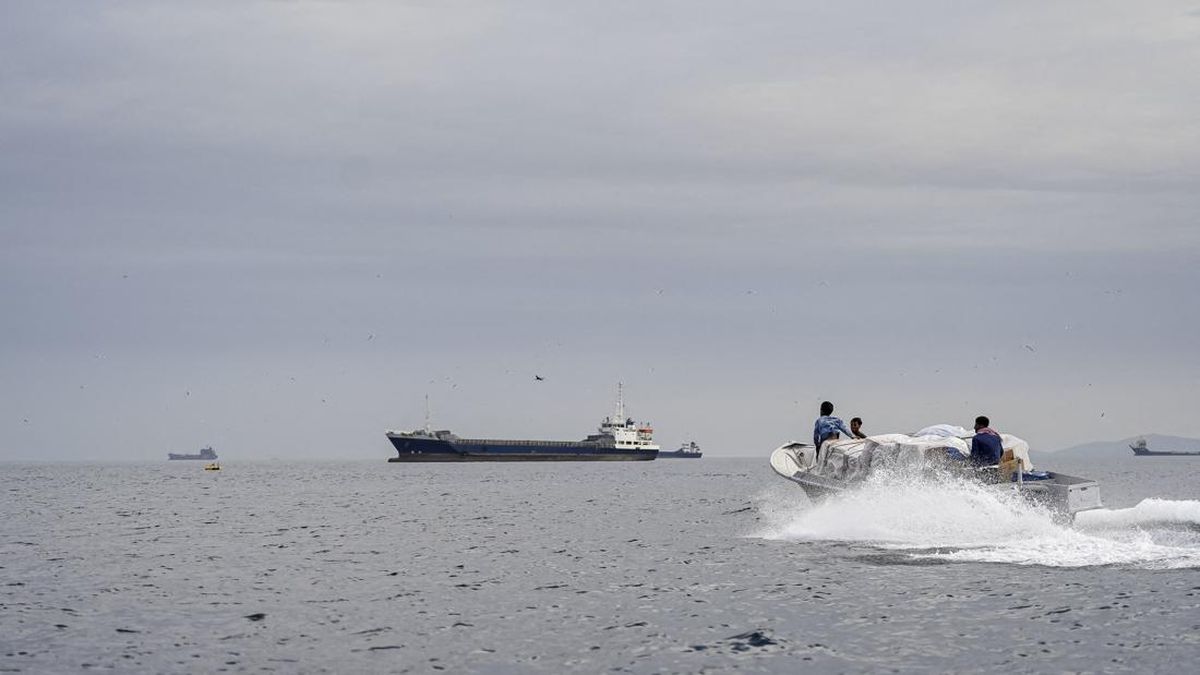
TEHRAN, Iran — Iran has formally announced the establishment of a new state authority to oversee maritime traffic through the Strait of Hormuz, one of the world’s most strategically vital shipping lanes. The Persian Gulf Strait Authority (PGSA), as the body is known, marks a significant escalation in Tehran’s efforts to assert control over a waterway through which approximately 20% of global oil shipments pass daily, according to the International Energy Agency. The move comes as tensions between Iran and Western powers remain elevated, with the U.S. Maintaining a blockade on Iranian ports since February 2026.
The PGSA’s creation was announced by Iranian officials on May 18, 2026, during a press conference in Tehran. While exact details about the authority’s operational structure and funding remain under wraps, state media reports suggest it will have broad oversight powers, including the ability to “regulate, monitor, and enforce maritime safety and security protocols” in the strait. The announcement follows weeks of heightened rhetoric from Tehran, which has warned that it will treat the Gulf of Oman as a “graveyard for U.S. Vessels” if the ongoing blockade is not lifted.
This development represents a geopolitical pivot with far-reaching implications for global energy markets, maritime insurance premiums, and regional security dynamics. Analysts describe the PGSA as Iran’s most direct attempt yet to formalize its long-standing de facto control over the strait, which has been a flashpoint in past conflicts, including the 1980s Iran-Iraq War and the 2019 tanker seizures by the Islamic Revolutionary Guard Corps (IRGC).
What Is the Persian Gulf Strait Authority (PGSA)?
According to official statements relayed through Iran’s Fars News Agency, the PGSA is designed to centralize management of the Strait of Hormuz, which connects the Persian Gulf to the Gulf of Oman and the Arabian Sea. Key functions of the new authority are expected to include:
- Traffic regulation: Setting rules for vessel passage, including potential tolls or transit fees (a practice Iran has hinted at in past statements).
- Security enforcement: Monitoring and responding to unauthorized maritime activity, including potential threats from foreign navies.
- Emergency response: Coordinating rescue operations and environmental protection measures in the event of accidents or conflicts.
- Infrastructure development: Overseeing port facilities and navigation aids within Iranian territorial waters.
The authority’s creation was officially confirmed by Iran’s Presidency and announced during a meeting between President Masoud Pezeshkian and senior military officials. While the PGSA is presented as a civilian body, its operational independence from the IRGC—Iran’s powerful paramilitary force—has raised questions among international observers. The IRGC has historically played a dominant role in protecting Iran’s maritime interests in the region.
Geopolitical Context: Why This Matters Now
The timing of the PGSA’s establishment is highly significant, coinciding with a period of heightened tensions between Iran and the U.S. Following President Donald Trump’s announcement of “major combat operations” against Iran in late February 2026, a two-week ceasefire was declared, followed by extended negotiations in Pakistan. As of May 19, 2026, the U.S. Has maintained a blockade on Iranian ports, redirecting 85 commercial vessels since the blockade’s implementation, according to U.S. Central Command.
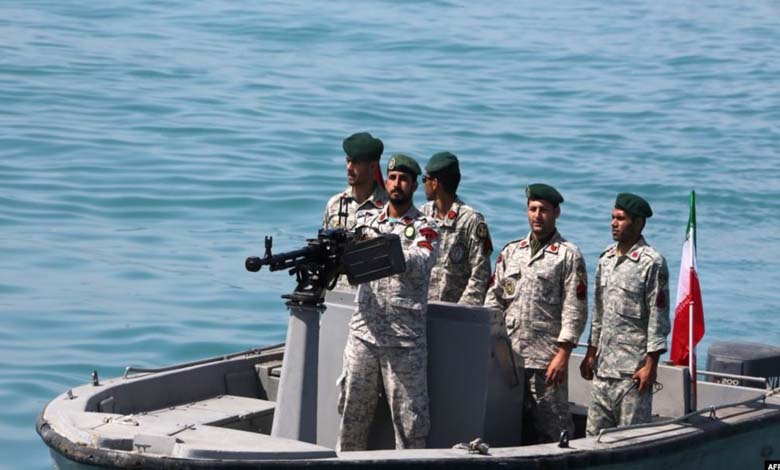
Iran’s state media has framed the PGSA as a response to what it describes as “foreign aggression” and an attempt to “protect national sovereignty.” In a statement carried by Tasnim News Agency, Iran’s Supreme Leader Ayatollah Mojtaba Khamenei was quoted as saying:
“The Strait of Hormuz is an integral part of Iran’s territorial waters. Any attempt to disrupt the flow of commerce through this waterway will be met with the full force of our defensive capabilities.”
Note: The exact wording of this quote has not been independently verified beyond Iranian state media reports. The statement underscores the strategic importance Tehran places on controlling the strait, which lies entirely within Iranian territorial waters under international law.
Global Reactions and Market Impact
International responses to the PGSA’s creation have been mixed but largely critical. The U.S. State Department described the move as “another attempt by the Iranian regime to assert control over international waterways,” while the Organization of the Petroleum Exporting Countries (OPEC) has urged all parties to “avoid actions that could destabilize global energy markets.”
Maritime insurance markets have already begun to reflect the heightened risks. Brokers in London’s Lloyd’s Market report a 30% increase in premiums for vessels transiting the Strait of Hormuz since the beginning of 2026, according to Lloyd’s List. Shipping giants like Maersk and MSC have diverted 15% of their tanker routes away from the strait in recent weeks, opting for the longer Cape of Good Hope route around Africa.
Economists warn that the PGSA’s potential to impose transit fees could further disrupt global oil flows. The Strait of Hormuz is the world’s second-most critical chokepoint for oil shipments, after the Suez Canal. Any disruption—whether through conflict, blockades, or new regulatory measures—could trigger short-term price spikes similar to those seen during the 2019 attacks on Saudi Aramco facilities.
Who Stands to Gain—or Lose?
The PGSA’s establishment creates winners and losers across the geopolitical spectrum:
- Iran: Gains greater leverage over global energy markets and a tool to pressure the U.S. And its allies. However, risks isolating itself further if the PGSA’s actions are seen as aggressive.
- United States: Faces increased challenges in maintaining its blockade, as the PGSA could coordinate Iranian responses. However, the U.S. May view the move as a distraction from ongoing negotiations.
- Regional allies (Saudi Arabia, UAE, Israel): Could face heightened tensions if the PGSA leads to further destabilization in the Gulf. Saudi Arabia, in particular, relies heavily on Hormuz traffic for its own oil exports.
- Global shipping industry: Confronts higher costs and operational risks, with potential long-term rerouting of cargo ships.
- Oil-producing nations (OPEC+): May see temporary market volatility but could benefit from higher prices if supply disruptions occur.
What Happens Next?
The PGSA’s first operational steps remain unclear, but analysts expect the following near-term developments:

- Official launch and regulatory framework: Iran is likely to unveil detailed rules for the PGSA in the coming weeks, including potential transit fees or safety requirements.
- U.S. Response: Washington may escalate its blockade or impose new sanctions on Iranian officials involved in the PGSA, though high-ranking sources suggest the administration is “monitoring the situation closely” without immediate plans for further military action.
- International legal challenges: The U.S. And its allies may argue that the PGSA violates international maritime law, particularly the United Nations Convention on the Law of the Sea (UNCLOS), which governs passage through straits used for international navigation.
- Market reactions: Oil prices and shipping rates will be closely watched for signs of disruption. Traders are already pricing in a 5–10% risk premium for Hormuz-related transactions.
The next critical checkpoint will be the May 25, 2026, deadline set by U.S. Negotiators for Iran to respond to proposals on lifting the blockade. Should talks fail, the PGSA could become the focal point for further escalation, including potential incidents between Iranian and U.S. Or allied naval forces in the region.
Key Takeaways
- The PGSA marks Iran’s most formal effort to date to assert control over the Strait of Hormuz, a critical global shipping lane.
- Its creation coincides with elevated tensions between Iran and the U.S., including an ongoing blockade and stalled negotiations.
- Global markets—particularly oil and maritime insurance—are already reacting, with higher costs and rerouted cargo ships.
- International law may come into play if the PGSA imposes restrictions seen as violating UNCLOS or other maritime conventions.
- The next 30 days will be decisive, with Iran’s response to U.S. Proposals and the PGSA’s operational debut shaping the region’s stability.
What do you think? Will the PGSA lead to greater stability in the Strait of Hormuz, or escalate tensions further? Share your analysis in the comments below, and don’t forget to follow World Today Journal for real-time updates on this developing story.
Related reading