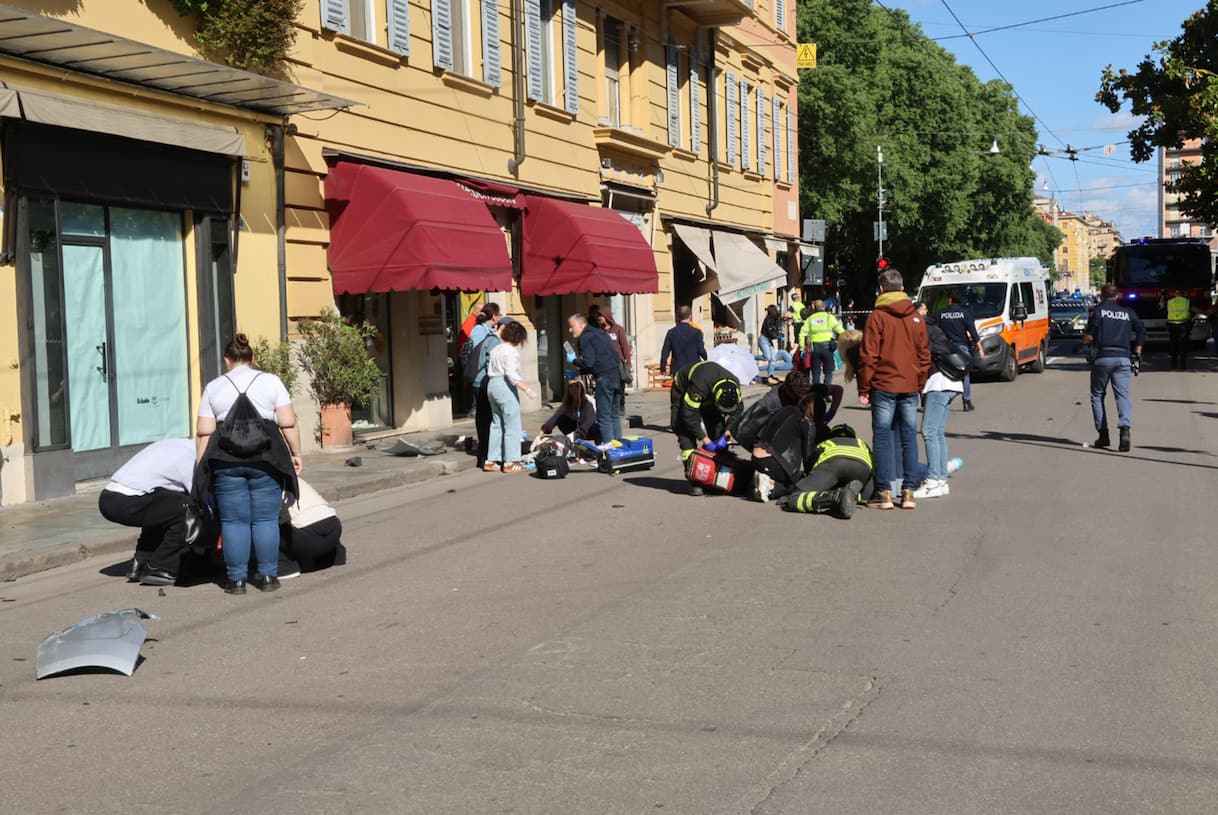
In the aftermath of the recent vehicular incident in Modena, Italian judicial authorities have reached a significant procedural determination regarding the charges filed against the suspect, Salim El Koudri. As investigations continue to unfold, the office of the public prosecutor has opted against requesting the aggravating circumstance of terrorism, focusing instead on charges of causing extremely serious injuries.
The decision marks a pivotal moment in the legal proceedings, narrowing the scope of the case as it moves through the initial phases of the justice system. While the incident drew immediate national attention, including high-level visits from state officials, the current legal strategy emphasizes the criminal nature of the act based on the evidence gathered thus far. For legal observers and the public, the distinction between a terrorist act and other violent crimes remains a critical point of analysis, particularly when assessing judicial outcomes in high-profile cases across Europe.
Judicial Developments and Legal Status
Salim El Koudri has remained in custody following his arrest, with the legal process currently centered on his interrogation and the assessment of his actions. During recent proceedings, the suspect did not provide a statement to the investigating judge, known as the GIP (Giudice per le Indagini Preliminari), but did provide the necessary access codes for his mobile device, a step that may assist investigators in their ongoing fact-finding mission. The defense team has requested an urgent medical examination, a standard procedural move as the court evaluates the suspect’s condition and the broader context of the event.
The investigation into the Modena incident is being closely monitored by both local authorities and national observers. The exclusion of a jihadist motive by the prosecutor’s office has shifted the discourse, focusing the inquiry on the specific circumstances of the vehicular impact and its immediate impact on the victims. As the case progresses, the court must balance the severity of the harm caused with the legislative requirements for characterizing such an event as a terrorist attack.
Community Response and Political Context
The incident triggered an intense period of public and political reaction in Italy. Following the event, representatives of the Italian government, including President Sergio Mattarella and Prime Minister Giorgia Meloni, visited the site and met with those affected to offer support. The local administration, led by the mayor, has consistently called for a measured response, urging the public to avoid speculation and inflammatory rhetoric.

In a notable appeal to community cohesion, the mayor highlighted the role of bystanders, including foreign nationals, who intervened to assist the victims at the scene. This detail has served as a touchstone for local leaders who have pushed back against attempts to exploit the tragedy for political gain. The emphasis remains on the recovery of the injured, with reports indicating that while some victims have shown signs of improvement, others remain in critical condition under medical supervision.
Key Considerations for the Ongoing Investigation
As the legal case proceeds, several factors remain at the forefront of the investigation:

- Procedural Status: The prosecutor has officially excluded the terrorism aggravating factor, directing the case toward charges related to severe bodily harm.
- Evidence Gathering: The provision of digital access codes by the defendant is expected to be a focal point for investigators analyzing the lead-up to the event.
- Victim Recovery: Medical reports continue to track the progress of the injured, with authorities providing updates as patient conditions fluctuate.
- Public Discourse: Local leadership continues to emphasize the importance of factual reporting, discouraging the use of the incident as a vehicle for broader political agendas.
The focus for the coming weeks will likely remain on the results of the forensic analysis of the digital evidence and the findings of the requested medical evaluations. These components are essential for the court to determine the next steps in the judicial process, including the potential scheduling of further hearings or the formalization of the indictment.
The case serves as a reminder of the complexities involved in characterizing violent acts in a modern legal landscape. As the judicial system works to provide transparency and justice for the victims, the official updates from the court remain the primary source of verified information. We will continue to follow these developments closely as more details become available through official channels.
We invite our readers to share their thoughts and perspectives on this developing story in the comments section below. For the latest updates on this case as they are released by the Modena judicial authorities, please check back for further reporting.