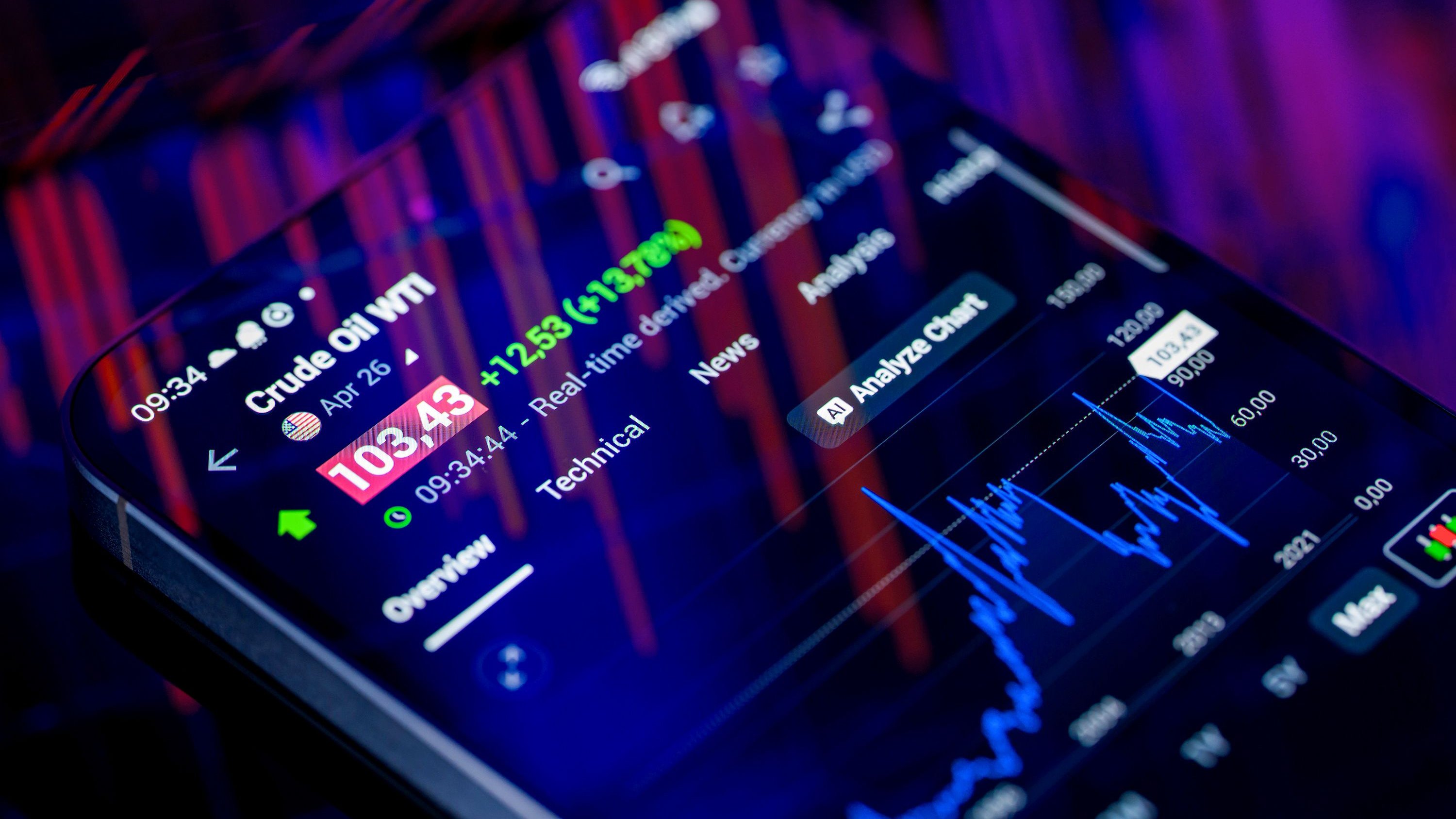
London, UK – Escalating tensions in the Persian Gulf, following attacks on commercial vessels and a broadening conflict involving Iran, are sending ripples through global markets. The price of oil has surged, presenting a significant challenge for European stock markets, including Germany’s DAX index. The situation remains highly volatile, with the potential for further disruption to global trade and economic growth.
The current crisis stems from a recent intensification of the conflict between Israel and Iran, with reports indicating the start of direct military engagements approximately two weeks ago. This has led to a critical blockage of the Strait of Hormuz, a vital artery for worldwide oil transportation. Multiple ships navigating or near this strategically important waterway have come under attack, rendering safe passage increasingly precarious. Recent attacks targeting two oil tankers in the Persian Gulf have further exacerbated concerns, prompting the evacuation of Oman’s key export port, Mina al-Fahal. Iraq has also taken precautionary measures, temporarily suspending operations at all of its oil terminals following a security incident on Thursday morning. These developments are significantly impacting energy markets.
Oil Prices Soar Amidst Gulf Conflict
Despite the release of strategic oil reserves by various nations, the price of oil has climbed back above $100 per barrel. Brent crude, the North Sea benchmark, was trading at just over $100 a barrel as of today, March 12, 2026. While the price has retreated from a peak of around $120, it has still experienced a substantial increase of nearly 40% since the beginning of the conflict with Iran nearly two weeks ago. Jochen Stanzl, Chief Market Analyst at Consorsbank, noted that the recent attacks “demonstrate Iran’s unwavering willingness to use oil as a weapon.” This assessment highlights the geopolitical risks driving the price increases.
The Strait of Hormuz is a crucial chokepoint, handling approximately one-fifth of the world’s oil supply. Disruptions to this vital shipping lane have far-reaching consequences for the global economy. Governments are actively seeking solutions to mitigate the anticipated supply shortages, but the effectiveness of these measures remains uncertain. The International Energy Agency (IEA) is planning to release 400 million barrels of oil reserves onto the global market, and US President Donald Trump has also announced plans to release strategic reserves in an attempt to stabilize prices. However, these efforts have so far failed to curb the upward trend in oil prices. The continued rise in oil prices is a major concern for economic stability.
Impact on the DAX and Global Markets
The escalating conflict is exerting downward pressure on stock markets worldwide. The DAX has fallen approximately half a percent in early trading today, reaching 23,540 points. The lowest point since the start of the Iran conflict was recorded on Monday at 22,927 points, a level not seen since May of the previous year. Despite the challenges, Jochen Stanzl suggests that as long as the DAX remains above the 23,000-point mark, there is still hope for a swift resolution to the conflict. Yesterday, the German benchmark index closed down 1.4% at 23,640 points. Market sentiment remains fragile.
Andreas Lipkow, Chief Market Analyst at CMC Markets, warned that if high oil prices persist, Europe could face a recession. The combination of rising energy costs and potential economic slowdown creates a challenging environment for investors. The situation is further complicated by concerns about global economic growth, adding to the overall market uncertainty. The potential for a broader economic downturn is a significant risk factor that investors are closely monitoring.
US Presidential Claims and Market Reactions
Adding to the complexity of the situation, US President Donald Trump has declared victory in the conflict during a campaign rally in Kentucky, while simultaneously stating that the US will continue to pursue its objectives. This messaging has introduced an element of unpredictability into the market, as investors attempt to assess the long-term implications of the conflict and the US administration’s strategy. The market’s reaction to Trump’s statements has been muted, with investors remaining cautious and focused on the evolving geopolitical landscape.
Broader Economic Implications
The conflict in the Gulf is not limited to energy markets and stock indices. It has the potential to disrupt global supply chains, increase inflationary pressures, and dampen economic growth. The uncertainty surrounding the conflict is also discouraging investment and hindering business confidence. The long-term consequences of the crisis could be significant, potentially leading to a period of prolonged economic instability.
The impact extends beyond Europe and the United States. Countries heavily reliant on oil imports are particularly vulnerable to the price increases. Developing nations, with limited financial resources, may struggle to cope with the rising cost of energy, potentially leading to social unrest and political instability. The conflict underscores the interconnectedness of the global economy and the vulnerability of nations to geopolitical shocks.
Key Takeaways
- Oil Price Surge: The price of oil has risen sharply due to attacks on tankers and disruptions to shipping in the Persian Gulf.
- DAX Under Pressure: Germany’s DAX index is facing downward pressure as a result of the escalating conflict and rising oil prices.
- Global Economic Risks: The conflict poses a threat to global economic growth, potentially leading to a recession in Europe.
- Geopolitical Uncertainty: US President Trump’s claims of victory add to the uncertainty surrounding the conflict.
Looking ahead, the markets will be closely watching for any signs of de-escalation in the conflict. The next key event to monitor is the scheduled meeting of OPEC+ on March 20, 2026, where members will discuss potential adjustments to oil production levels. Any decision to increase production could help to alleviate the supply shortages and stabilize prices. Investors are also awaiting further statements from the US administration regarding its strategy in the region. The situation remains fluid and unpredictable, and market volatility is likely to persist in the coming weeks.
We encourage our readers to share their thoughts on this developing situation in the comments below. Your insights are valuable as we navigate these challenging times. Please also share this article with your network to help spread awareness of the economic implications of the Gulf conflict.
Related reading
- Joan Barniol, operador de parkings: “Hemos levantado 13 parkings y facturado más de 1,5 millones en el último año. La inteligencia artificial nos permite tener 0 empleados” – Mundo Deportivo
- L’impasse des grèves pèse également sur les avocats | le360.ma
- Uber Q2 2026 EPS Guidance and Impact of 10% Workforce Cut (world-today-news.com)