
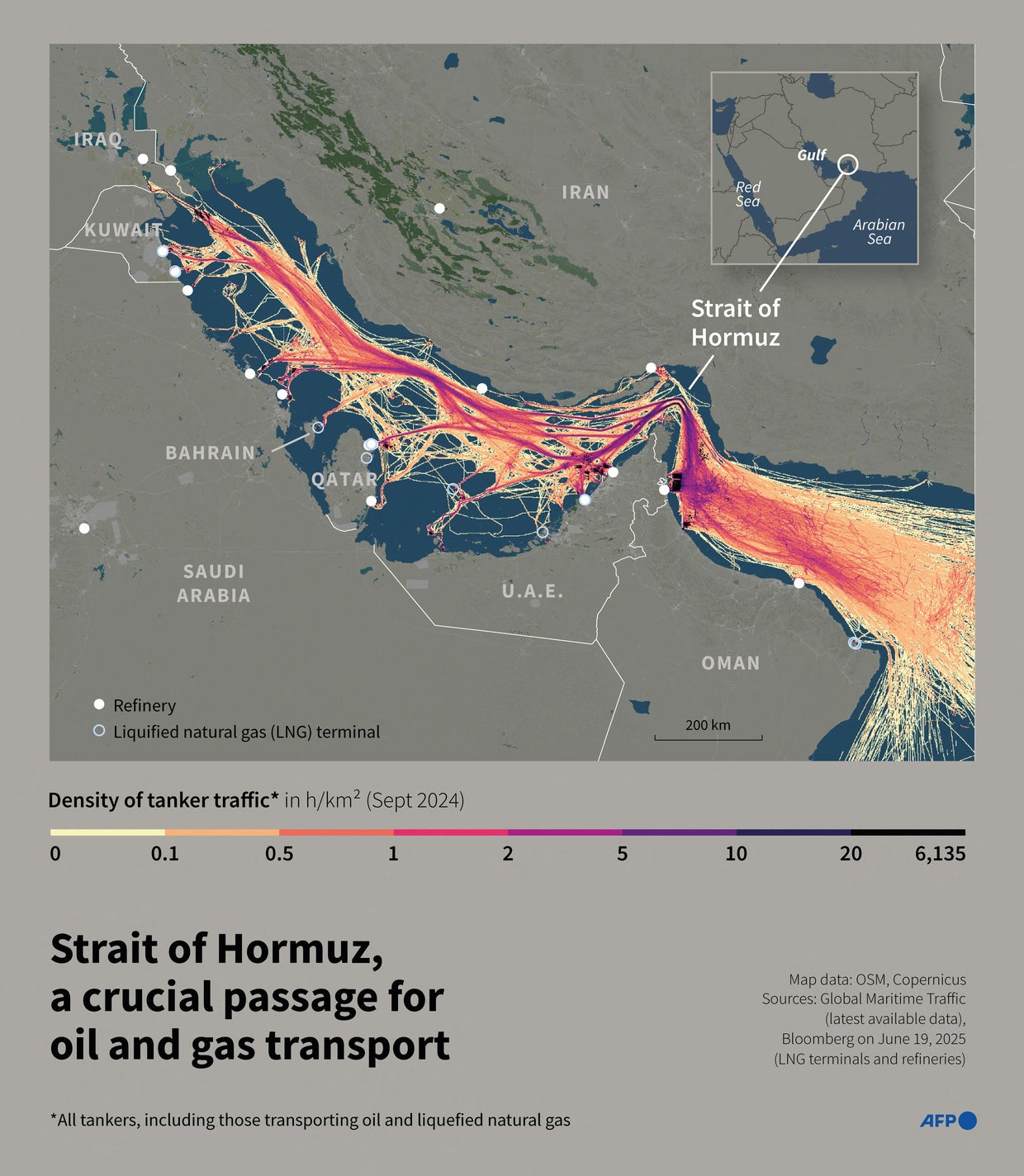
Global markets are reacting with volatility following an announcement by President Donald Trump that the United States Navy will initiate a blockade of the Strait of Hormuz. The decision comes immediately after peace negotiations between the U.S. And Iran, held in Islamabad, Pakistan, ended without a lasting agreement to cease hostilities in the Middle East.
The move to implement a Strait of Hormuz blockade marks a significant escalation in tensions. President Trump announced the measure via Truth Social, stating that the U.S. Navy would begin the process of blocking “any and all ships trying to enter or leave the Strait of Hormuz.” The president characterized the current situation as “world extortion,” specifically targeting vessels that have paid tolls to Iran.
The U.S. Central Command (Centcom) has since clarified the scope of the operation, confirming that forces will enforce the blockade “impartially” on vessels entering or leaving Iranian ports, including those in the Gulf of Oman and the Arabian Gulf. Centcom emphasized that the U.S. Military will not impede the freedom of vessels transiting to and from non-Iranian ports and that commercial mariners will receive a formal notice before the blockade officially begins according to reports on the military’s operational plan.
U.S. Navy to Enforce Blockade After Islamabad Talks Fail
The blockade was triggered by the collapse of diplomatic efforts in Pakistan’s capital. Negotiators from the U.S. And Iran met in Islamabad to seek a peace deal, but the talks ended in a stalemate. A primary condition for the U.S. Was the reopening of the international waterway, which had been subject to Iranian closures that triggered global economic turmoil as detailed in recent timelines of the escalation.
President Trump has issued a stern warning to the Iranian regime, stating that the U.S. Would deny safe passage to any vessel that paid an illegal toll to Iran. In his announcement, he instructed the Navy to “seek and interdict every vessel in international waters that has paid a toll to Iran.” the president confirmed that the U.S. Would begin destroying mines in the strait to ensure the waterway can eventually be reopened for all users.
The rhetoric accompanying the order has been severe. Trump warned that “any Iranian who fires at us… will be BLOWN TO HELL!” He reiterated the demand that Iran move quickly to receive the international waterway open, suggesting that the U.S. Would maintain the blockade until an “all being allowed to go in, all being allowed to go out” basis is achieved as reported by AP.
The UK’s Refusal to Join Military Enforcement
While President Trump suggested that other countries and Nato would be involved in the operation, the United Kingdom has explicitly distanced itself from the enforcement of the blockade. Prime Minister Sir Keir Starmer has indicated that British forces will not be used to enforce the U.S. Military blockade of Iranian ports.
A spokesperson for the UK government stated that the country continues to support the “opening of the Strait of Hormuz,” describing it as “urgently needed to support the global economy and the cost of living back home.” The UK government has urged “de-escalation” in the region rather than further military escalation according to official statements.
There remains a discrepancy between the statements from the White House and 10 Downing Street regarding the nature of British involvement. President Trump told Fox News that he understands the UK and a few other countries are sending minesweepers to help “clean out” the strait. The UK government has clarified that while British naval ships and soldiers will not be used to block ports, UK minesweepers and anti-drone capabilities will continue their existing operations in the region.
Global Market Volatility and Energy Security
The announcement has sent shockwaves through global financial markets. While the U.S. Government maintains that the blockade is targeted specifically at Iranian ports and toll-paying vessels, the potential for conflict in one of the world’s most vital energy chokepoints has sparked immediate concern.
Financial news reports indicate that oil prices have surged, with some reports suggesting prices have climbed above $100 a barrel. Simultaneously, global stock markets have seen declines as investors weigh the risks of a prolonged maritime conflict and the potential for disrupted energy supplies. The Strait of Hormuz is a critical passage connecting the Persian Gulf to the Gulf of Oman, and any significant interruption to traffic is viewed by analysts as a primary driver of global economic instability.
The U.S. Administration’s “doctrine of preemption,” as described by some political analysts, aims to prevent future threats from Iran’s nuclear, drone, and ICBM programs by taking decisive action now. However, the immediate result has been a spike in market uncertainty and a diplomatic rift with key allies over the methods of enforcement.
Key Details of the Hormuz Blockade
| Category | U.S. Position / Action |
|---|---|
| Target | Vessels entering/leaving Iranian ports; vessels that paid tolls to Iran. |
| Exemptions | Vessels transiting to and from non-Iranian ports. |
| Military Actions | Interdiction of toll-paying ships; destruction of naval mines. |
| UK Status | Will not enforce port blockades; continuing minesweeping/anti-drone operations. |
| Trigger | Failure of peace talks in Islamabad, Pakistan. |
The international community now awaits the formal notice to commercial mariners from Centcom, which will signal the official start of the blockade. The situation remains fluid as the U.S. Navy begins its deployment to the region and other Nato members determine their level of involvement in “cleaning out” the strait.
The next critical checkpoint will be the issuance of the formal maritime notice by US Central Command, which will provide the specific coordinates and timelines for the blockade’s enforcement.
World Today Journal encourages readers to share this report and leave their comments below regarding the impact of maritime security on global energy prices.