London, UK – Global oil prices surged on Monday, breaching the $100 per barrel mark for the first time since mid-2022, fueled by escalating geopolitical tensions in the Middle East and concerns over potential disruptions to crucial energy supplies. The price jump reflects a growing anxiety within energy markets regarding the stability of oil and gas shipments, particularly from the Persian Gulf, following recent military actions and heightened regional instability. This surge is already prompting inflationary warnings, particularly for nations heavily reliant on imported energy, like Singapore.
Brent crude, the international benchmark, climbed to $108.71 per barrel, even as West Texas Intermediate (WTI), the U.S. Benchmark, reached $105.62 per barrel in early Asian trading, representing increases of approximately 17.28% and 16.19% respectively, according to reports from Reuters. While prices eased slightly from these peaks, the overall upward trend underscores the vulnerability of global energy markets to geopolitical shocks. The situation is further complicated by existing supply constraints, including production cuts by major oil producers and logistical challenges in key shipping lanes.
Geopolitical Tensions Drive Price Increases
The immediate catalyst for the price spike is the recent escalation of conflict in the Middle East. U.S. And Israeli air strikes on Iran on February 28th triggered fears of a wider regional conflict, potentially disrupting oil and gas flows through the strategically vital Strait of Hormuz. This narrow waterway is a critical chokepoint for global energy supplies, carrying approximately 30% of the world’s seaborne crude oil and 20% of liquefied natural gas (LNG), according to estimates from Rystad Energy. The potential for disruptions to this vital artery has sent shockwaves through the market.
Adding to the concerns are reports of production cuts by several key oil-producing nations. Iraq and Kuwait have begun reducing their output, building on previous reductions in LNG supply from Qatar. Analysts anticipate that the United Arab Emirates and Saudi Arabia may follow suit, further tightening global supply. Specifically, Iraqi oil production from its southern oil fields has reportedly fallen by 70% to 1.3 million barrels per day, as the country struggles to export oil via the Strait of Hormuz, as reported by three industry sources on Sunday. Crude oil stocks are similarly reported to be at maximum capacity, according to a Basra Oil Company official.
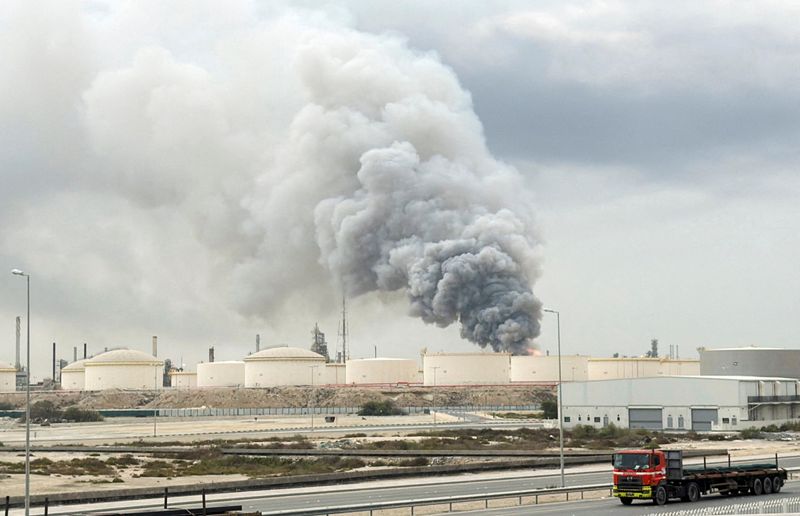
Kuwait Petroleum Corporation initiated production cuts on Saturday and declared a force majeure event on shipments, though the extent of the reduction remains unspecified. Bapco Energies also announced a force majeure following a recent attack on its refinery in Bahrain, further exacerbating supply concerns. These combined factors are creating a perfect storm for higher energy prices.
Impact on Singapore and Global Inflation
The price surge is already raising concerns about inflationary pressures, particularly in countries like Singapore that are heavily reliant on imported energy. Singapore produces the bulk of its electricity from natural gas, and higher LNG prices will have a widespread impact on the cost of power. While Singapore imports gas primarily through pipelines from neighboring countries, LNG has become an increasingly important component of its energy mix, especially following a long-term supply agreement with Qatar, the world’s top LNG exporter.
Experts warn that the impact on petrol and electricity prices, and overall inflation in Singapore, will be felt if the conflict extends beyond a week or two. The Strait Times reported on March 1, 2026, that the potential for sustained disruption is a key concern for policymakers. Brent crude could jump by up to $20 a barrel when trading resumes on March 2, according to Jorge Leon of Rystad Energy. This would translate to significantly higher costs for consumers and businesses alike.
Broader Market Implications and Potential Responses
The current situation highlights the interconnectedness of global energy markets and the sensitivity to geopolitical events. The Organization of the Petroleum Exporting Countries (OPEC) and its allies (OPEC+) have been attempting to manage supply to stabilize prices, but the recent escalation of tensions has thrown those efforts into disarray. The group’s ability to respond effectively will be crucial in mitigating further price increases.
The potential for further escalation in the Middle East remains a significant risk. The reported nomination of Mojtaba Khamenei to succeed his father, Ayatollah Ali Khamenei, as the Supreme Leader of Iran has added another layer of uncertainty to the situation. While this detail, as reported by the source material, requires further independent verification, it underscores the complex political dynamics at play. The impact of this leadership transition on Iran’s energy policy and its regional relationships remains to be seen.
Key Takeaways
- Oil Prices Surge: Brent crude exceeded $100 per barrel, reaching levels not seen since mid-2022, driven by geopolitical tensions.
- Middle East Conflict: Escalating conflict in the Middle East, particularly concerning Iran, is the primary driver of price increases.
- Supply Disruptions: Production cuts by major oil producers and potential disruptions to shipping through the Strait of Hormuz are exacerbating the situation.
- Inflationary Concerns: Countries like Singapore, heavily reliant on imported energy, face increased inflationary pressures.
The situation remains fluid and highly volatile. Market participants are closely monitoring developments in the Middle East and assessing the potential for further disruptions to oil and gas supplies. The coming days and weeks will be critical in determining the long-term impact of these events on global energy markets and the broader economy. The International Energy Agency (IEA) is expected to release an updated assessment of the global oil market on March 15, 2026, which will provide further insights into the evolving situation.
As the world navigates this period of uncertainty, continued vigilance and proactive measures to diversify energy sources and enhance energy security will be essential. The current crisis serves as a stark reminder of the importance of a stable and reliable energy supply for global economic prosperity.
What happens next? The market will be closely watching for any further escalation in the Middle East, as well as any coordinated response from OPEC+ to stabilize prices. The IEA’s report on March 15th will be a key indicator of the potential for sustained price increases.
We encourage readers to share their thoughts and perspectives on this critical issue in the comments section below. Your insights are valuable as we collectively navigate these challenging times.
Related reading