
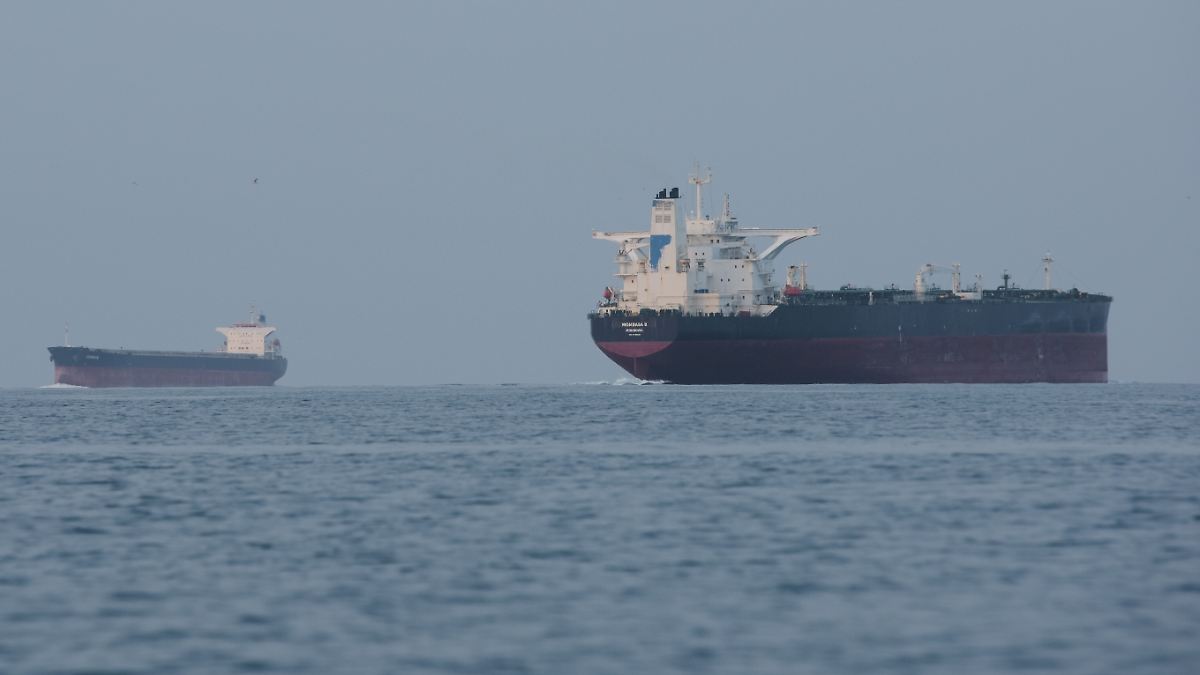
The waters of the Gulf of Aden and the Indian Ocean are once again witnessing a troubling pattern of maritime insecurity. In a series of rapid escalations throughout late April 2026, suspected Somali pirates have hijacked multiple commercial vessels, including a fuel tanker, sparking urgent warnings from international maritime authorities about a potential resurgence of piracy in the Horn of Africa.
The most significant incident occurred on Wednesday, April 23, 2026, when the oil tanker Honour 25
was seized off the northeastern coast of Somalia. According to reports from the BBC and AP, at least six armed gunmen overran the vessel while it was approximately 30 nautical miles offshore, taking 17 crew members hostage BBC News. The tanker, which was transporting 18,500 barrels of fuel, had departed from the port of Berbera and was bound for Mogadishu when it was intercepted between the coastal towns of Hafun and Bandarbeyla AP News.
This hijacking is not an isolated event but part of a broader spike in hostile activity. The United Kingdom Maritime Trade Operations (UKMTO) has since raised the threat level in the Indian Ocean to substantial
, following a string of at least five hostile incidents involving commercial vessels near Somalia within a 10-day window AGBI Analysis. The rapid succession of attacks has shifted the narrative from opportunistic boarding attempts to successful seizures of commercial ships, raising fears that the region is entering a new era of systemic piracy.
A Pattern of Escalation: Multiple Vessels Targeted
Beyond the seizure of the Honour 25, other vessels have fallen victim to the escalating threat. On Monday, April 27, 2026, a cargo ship named the Sward
was hijacked. The vessel, flying the flag of St Kitts and Nevis, was transporting cement from Suez, Egypt, to the Kenyan port of Mombasa when it was intercepted and redirected toward Somali territorial waters Al Jazeera.

Maritime analysts suggest that these events represent a dangerous shift. For over a decade, international naval interventions—including the EU’s Operation Atalanta—had largely suppressed Somali piracy after its peak in the mid-2000s. Though, the recent wave of attacks suggests that the security vacuum is being exploited. Arsenio Longo, founder of the maritime intelligence company HUAX, noted that the frequency and nature of these incidents bear the hallmarks of a coordinated resurgence AGBI Analysis.
The Geopolitical Backdrop: Why Now?
The resurgence of piracy does not occur in a vacuum. Experts point to a “perfect storm” of regional instability that has diverted international attention and naval resources away from the Somali coast. The maritime environment in the Persian Gulf and Red Sea has been severely destabilized by ongoing conflicts, including threats from Houthi rebels in Yemen and the closure of the Strait of Hormuz EL PAÍS.
As global naval assets are repositioned to protect critical chokepoints in the Red Sea and the Gulf, the “buffer zone” that previously deterred Somali pirates has weakened. This strategic shift has left commercial shipping lanes in the Indian Ocean more vulnerable, providing an opening for pirate networks to reorganize and strike again.
Impact on Global Shipping and Maritime Security
The return of piracy in the Gulf of Aden carries significant implications for global trade. The region is one of the world’s most critical maritime arteries; any increase in risk leads to immediate economic consequences for shipping companies and consumers.
- Increased Insurance Premiums: When threat levels are raised to
substantial
, “war risk” insurance premiums for vessels entering the high-risk area typically spike, increasing the cost of transporting goods. - Rerouting Costs: To avoid the risk of hijacking, some shipping companies may choose to reroute vessels further east around the Cape of Solid Hope, adding thousands of miles and significant fuel costs to their journeys.
- Crew Safety: The hijacking of the Honour 25, with 17 crew members held hostage, underscores the human cost of these attacks. The safety of seafarers, often from developing nations, remains the primary concern for international labor organizations.
Key Takeaways: The 2026 Piracy Spike
| Vessel Name | Date of Incident | Type of Vessel | Outcome/Status |
|---|---|---|---|
| Honour 25 | April 23, 2026 | Oil/Fuel Tanker | Hijacked; 17 crew hostage |
| Sward | April 27, 2026 | Cargo Ship | Hijacked; Redirected to Somalia |
| Unidentified | Late April 2026 | Commercial Vessel | Targeted/Hostile Incident |
What Happens Next: The International Response
The international community is now faced with the challenge of balancing the protection of the Red Sea with the necessitate to secure the Indian Ocean. The UKMTO and other maritime security centers continue to issue advisories, urging vessels to maintain high vigilance, employ Best Management Practices (BMP), and utilize private maritime security teams where possible.
The next critical checkpoint will be the upcoming review of naval deployment strategies by the European Union and coalition partners to determine if additional assets can be diverted to Operation Atalanta to counter the resurgence. Shipping companies are too expected to increase the use of armed guards on board vessels transiting the region.
World Today Journal encourages readers to share this report and leave their thoughts in the comments section regarding the impact of maritime instability on global trade.