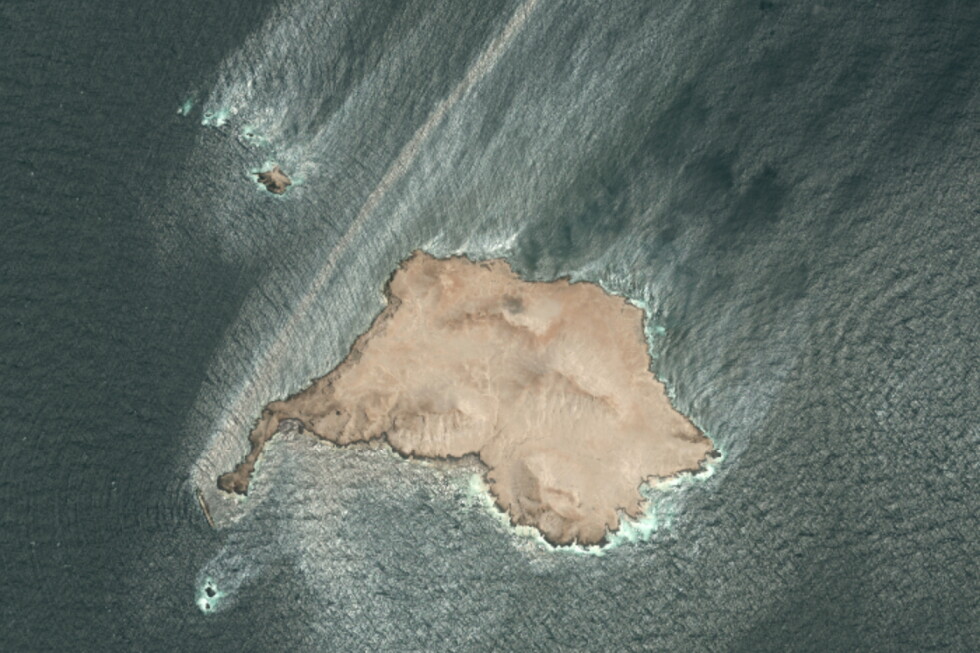
An oil spill from the stranded tanker Caroline Bezengi off the coast of Oman has expanded to cover roughly 400 square kilometers, threatening a marine reserve near the Hallaniyat Islands. The vessel, loaded with nearly one million barrels of Russian crude, has been aground since June following a reported explosion.
Leaking crude oil from a grounded tanker off a protected nature reserve in Oman has created an extensive environmental slick, the country’s government announced on Monday, as reported by Reuters. The vessel, identified as the Caroline Bezengi, is loaded with close to one million barrels of Russian oil bound for Asia and first encountered difficulties on June 8 off the coast of Yemen.
Maritime security sources indicated that initial assessments point to an explosion having occurred onboard, though no party has taken responsibility for attacking the ship. The stranded vessel, a 274-metre (900-foot) Suezmax tanker built in 2001, is part of Russia’s shadow fleet of older tankers that sail without Western insurance cover and utilize shifting flags to obscure ownership, AAJ.
Environmental Impact Near the Hallaniyat Islands
Oman’s first public disclosure regarding the environmental fallout confirmed that authorities are attempting to tackle the leak near the Hallaniyat Islands. Last year, Oman’s Sultan Haitham bin Tarik issued a royal decree establishing a nature reserve around the islands, an area that serves as a vital habitat for wildlife including Arabian Sea humpback whales and Socotra cormorants.
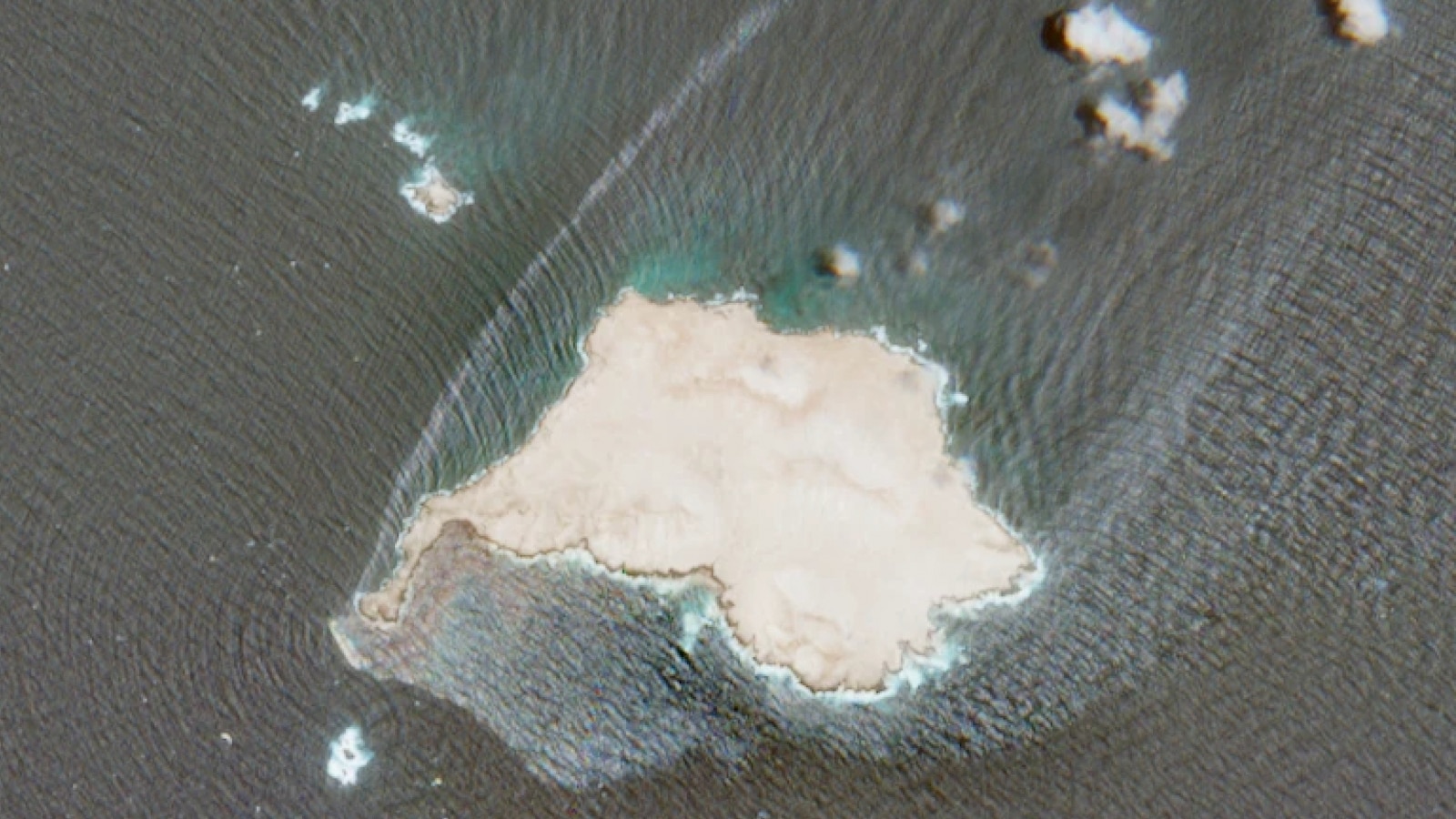
The oil slick spans some 390 square kilometers (150 square miles), Oman’s Environment Authority stated. The authority added that the slick extends northeast of the islands and remains within an estimated seven kilometers of the coast, though it stressed that there is currently no immediate danger to local desalination plants or tourist facilities.
Independent monitoring organizations have tracked the rapid expansion of the spill over recent weeks. Satellite imagery analysis shared by Greenpeace Germany indicated that the surface area covered by the spill grew sharply from 45 square kilometers on July 26 to roughly 150 square kilometers by August 2, and extended across approximately 600 square kilometers by August 4, AP News.
“Satellite imagery analysis suggests that the oil spill covered 45 square kilometers (17 square miles) up until July 26. By Aug. 2, it had expanded to around 150 square kilometers (58 square miles), and imagery from Aug. 4 indicates that it now extends across roughly 600 square kilometers (232 square miles),”
Nina Noelle, environmental disaster expert at Greenpeace Germany
Sanctions, Ownership, and Vessel History
The Caroline Bezengi has accumulated a complex administrative and regulatory history. Public shipping databases previously listed the vessel as flying the Cameroon flag, but it was among 39 vessels de-listed from Cameroon’s registry in June, according to shipping databases. The ship is subject to strict sanctions imposed by the European Union, the United Kingdom, Canada, Switzerland, and Ukraine.
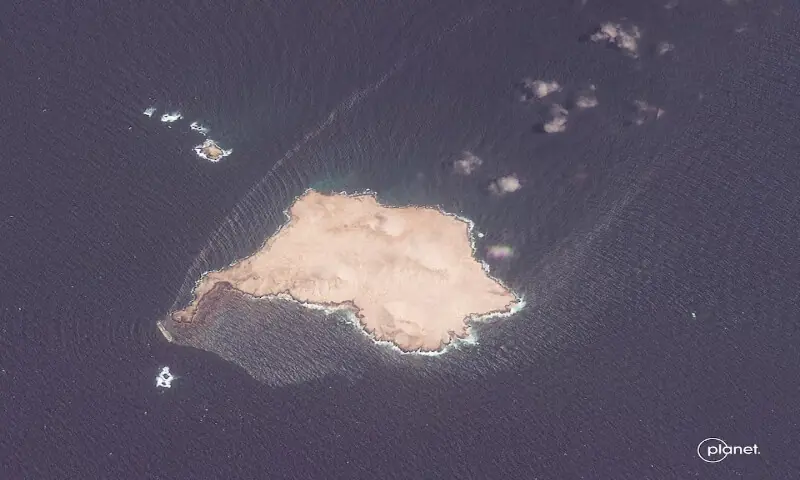
LSEG data indicates that the ship’s registered owner is Rentoor Shipmanagement Ltd and its manager is Villar Shipmanagement Ltd, both of which appear to be based in China. The UK government sanctioned the vessel on the grounds that it has been or is likely to be involved in activity whose object or effect is to destabilize Ukraine
or to support the Russian government, according to government records cited by wire services.
Before its grounding, geospatial tracking data showed that the tanker loaded its cargo at the Russian Black Sea port of Novorossiysk in April, subsequently passing through the Suez Canal at the end of May.
Containment Challenges and Marine Risks
Managing a spill of this magnitude in remote marine environments presents steep operational hurdles. Tony Gutierrez, a professor of environmental microbiology and biotechnology at Edinburgh’s Heriot-Watt University, noted that addressing a spill on this scale requires aircraft to spray dispersants alongside the deployment of booms and collection equipment before the oil reaches shores or sinks.

Gutierrez also cautioned about the long-term ecological persistence of heavy crude, pointing to historical precedents. You could find oil still there years later. And that’s what happened with Exxon Valdez. Ten years down the line, there still were remnants of oil,
he said, referencing the 1989 Alaskan spill.
Meanwhile, Oman’s Ministry of Transport, Communications and Information Technology had previously ordered the ship’s owners to remove both the vessel and its cargo by July 23, abcnews.com. Omani authorities stated that response teams are observing the area via satellite imaging, field surveys, and technical models while remaining prepared to implement necessary procedures to protect navigation safety and local marine life.
Worth a look