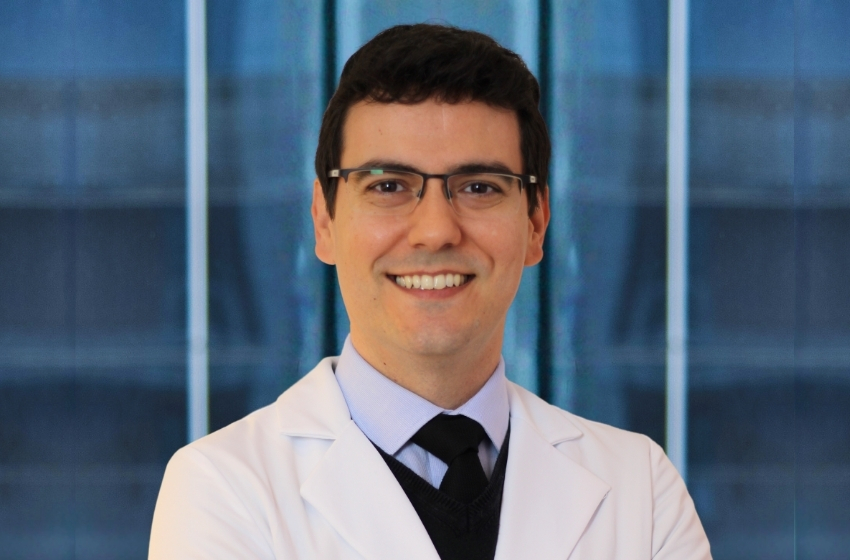
Oncologists are increasingly transitioning into strategic roles within modern healthcare systems, moving beyond traditional clinical practice to become central figures in precision medicine, health policy, and multidisciplinary care coordination. This shift, highlighted by the annual observation of National Oncologist Day, reflects the growing complexity of cancer treatment, which now requires navigating a landscape of genomic testing, immunotherapy, and complex regulatory frameworks.
As an oncologist and editor, I observe that the profession is evolving from a reactive model—focusing primarily on treating advanced disease—to a proactive, data-driven discipline. Today, the oncologist acts as a strategic architect, integrating emerging biotechnologies and real-world evidence to tailor interventions for individual patients. This evolution is necessitated by the rapid pace of innovation, where the speed of new drug approvals often outstrips the ability of traditional healthcare delivery models to adapt.
The Strategic Shift in Cancer Care
The role of the contemporary oncologist is defined by the integration of molecular diagnostics and personalized therapeutic pathways. According to the American Society of Clinical Oncology (ASCO), precision medicine has fundamentally altered how specialists approach treatment planning, moving from histology-based protocols to those guided by specific genetic mutations. This transition requires oncologists to collaborate extensively with pathologists, geneticists, and data scientists, effectively functioning as the lead strategist in a complex clinical ecosystem.

This strategic responsibility extends to managing the economic and logistical realities of modern oncology. With the rising costs of targeted therapies and immune checkpoint inhibitors, specialists are increasingly involved in value-based care initiatives. These initiatives, which prioritize patient outcomes over volume, require oncologists to make evidence-based decisions that balance therapeutic efficacy with resource stewardship. The Organization for Economic Cooperation and Development (OECD) emphasizes that such strategic management is essential for ensuring the long-term sustainability of cancer services globally, particularly as populations age and the incidence of cancer continues to rise.
Multidisciplinary Coordination and Patient Outcomes
Modern oncology is no longer a solitary practice. The complexity of managing chronic, high-acuity conditions requires a multidisciplinary approach where the oncologist serves as the primary coordinator. This “tumor board” model, which brings together surgeons, radiation oncologists, radiologists, and supportive care specialists, has become the standard for high-quality care.

Research published by the Lancet Oncology highlights that patients treated in centers that utilize robust, multidisciplinary team meetings consistently demonstrate better survival outcomes. This is largely because the strategic input of multiple specialists allows for a more holistic assessment of the patient’s comorbidities and quality-of-life considerations, ensuring that the treatment plan is not only effective against the tumor but also compatible with the patient’s overall health profile.
Addressing Future Challenges
Looking ahead, the strategic burden on oncologists will likely increase with the integration of artificial intelligence (AI) in clinical decision support. As AI tools become more prevalent in interpreting radiological images and predicting treatment responses, the oncologist’s role will shift toward interpreting these outputs and communicating them effectively to patients. This requires a high degree of digital literacy and a commitment to continuous professional development.

Furthermore, the global disparity in access to advanced cancer care remains a significant challenge. Strategic oncologists are increasingly active in advocacy, working with policymakers to address inequities in drug access and clinical trial participation. By influencing health policy, these specialists are not only treating individual patients but are also working to improve the structural health of the systems in which they operate.
Looking Toward the Next Clinical Milestone
The next major checkpoint for the field is the upcoming ASCO Annual Meeting, where new data on emerging therapeutic modalities and policy strategies will be presented. These meetings serve as a barometer for the field, providing a platform for the exchange of ideas that will shape the next decade of oncological practice. As the profession continues to evolve, the strategic expertise of the oncologist will remain the cornerstone of cancer care, ensuring that innovation translates into meaningful improvements in patient lives.

How do you see the role of the specialist changing in your local healthcare system? Share your perspectives in the comments below.