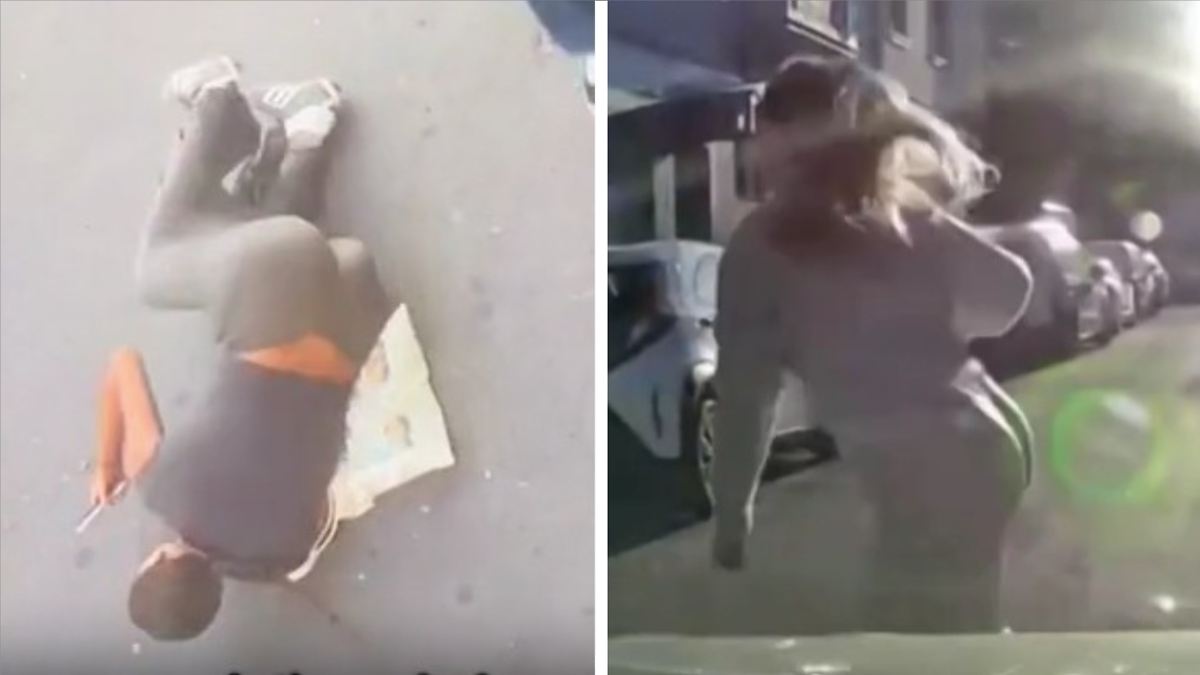
Viral social media trends involving a specific style of wide-leg trousers have recently sparked safety concerns following reports of users sustaining injuries, including bone fractures, during falls. Videos circulating on platforms like TikTok and Instagram show individuals struggling to navigate stairs or walkways while wearing voluminous, loose-fitting pants, leading to public discussions regarding the intersection of fashion trends and physical safety.
While the phenomenon has been colloquially dubbed the “deadly pants” trend in some online circles, medical professionals and consumer safety advocates emphasize that the risks are primarily related to the physical dimensions of the garment—specifically excessive length and width—rather than an inherent defect in the clothing itself. These reports highlight a growing awareness of how extreme silhouettes can impede movement and balance in everyday environments.
The Mechanics of the Safety Risk
The primary concern cited in user-generated content and social media commentary involves the fabric of wide-leg trousers becoming entangled under footwear or catching on environmental obstacles. According to general safety guidelines provided by consumer protection organizations such as the U.S. Consumer Product Safety Commission (CPSC), loose-fitting clothing that drags on the ground or has excessive material at the hem creates a significant trip-and-fall hazard. When a wearer steps on the hem of their own pants, it can cause an abrupt loss of balance, leading to forward or backward falls that may result in soft-tissue injuries or, in more severe instances, fractures.

The trend, which emphasizes oversized fits and floor-sweeping hemlines, is currently popular across various retail sectors. While many users share these videos as cautionary tales or comedic reenactments of their own stumbles, the underlying reality for some participants has been medically documented trips to urgent care facilities. Orthopedic experts frequently note that falls occurring while a person is distracted or unable to regain their footing—such as when a garment restricts the natural stride—increase the likelihood of impact-related trauma to the wrists, ankles, and hips.
Retailer Responsibility and Consumer Awareness
Major retailers, including brands like Zara, have faced increased scrutiny as their wide-leg collections appear frequently in these viral videos. However, no official product recalls or regulatory bans have been issued regarding these specific styles. Under the CPSC safety guidance for apparel, manufacturers are generally expected to ensure that garments do not possess features that pose an unreasonable risk of injury during normal use. In the case of wide-leg trousers, the design is considered a stylistic choice rather than a functional hazard, placing the onus of safety largely on consumer awareness and appropriate fit.
Industry analysts point out that the cycle of “extreme” fashion trends—where silhouettes become increasingly exaggerated—often leads to a lag in consumer adjustment. As these styles move from runway and high-fashion contexts to daily wear, the practical limitations of the clothing become more apparent. Shoppers are increasingly advised by stylists and safety experts to ensure that wide-leg trousers are hemmed to an appropriate length for their specific footwear to mitigate the risk of tripping.
Navigating Fashion Trends Safely
For those participating in current fashion trends, experts recommend several practical steps to maintain personal safety without sacrificing style. The most effective method for preventing hem-related accidents is ensuring that the pants clear the ground by at least a half-inch, especially when wearing flat shoes. Furthermore, individuals are encouraged to be mindful of their surroundings when wearing voluminous garments, particularly when navigating staircases, escalators, or uneven terrain where the hem is more likely to catch.

As social media continues to act as a primary driver for fashion consumption, the visibility of these “accident” videos serves as an informal, crowd-sourced warning system. While the trend shows no sign of waning in popularity, the discourse has shifted toward a more pragmatic view of apparel. Consumers are encouraged to prioritize fit and functionality, verifying that their clothing allows for a full, unobstructed range of motion before engaging in daily activities. For official information on garment safety standards or to report a product concern, consumers can visit the SaferProducts.gov database, which tracks reports of consumer product-related incidents.
As of this reporting, there are no scheduled regulatory hearings regarding the safety of wide-leg trousers. Updates on consumer safety standards and apparel-related injury reports can be monitored through the official websites of national safety agencies. Readers are encouraged to share their experiences with garment safety in the comments section below.