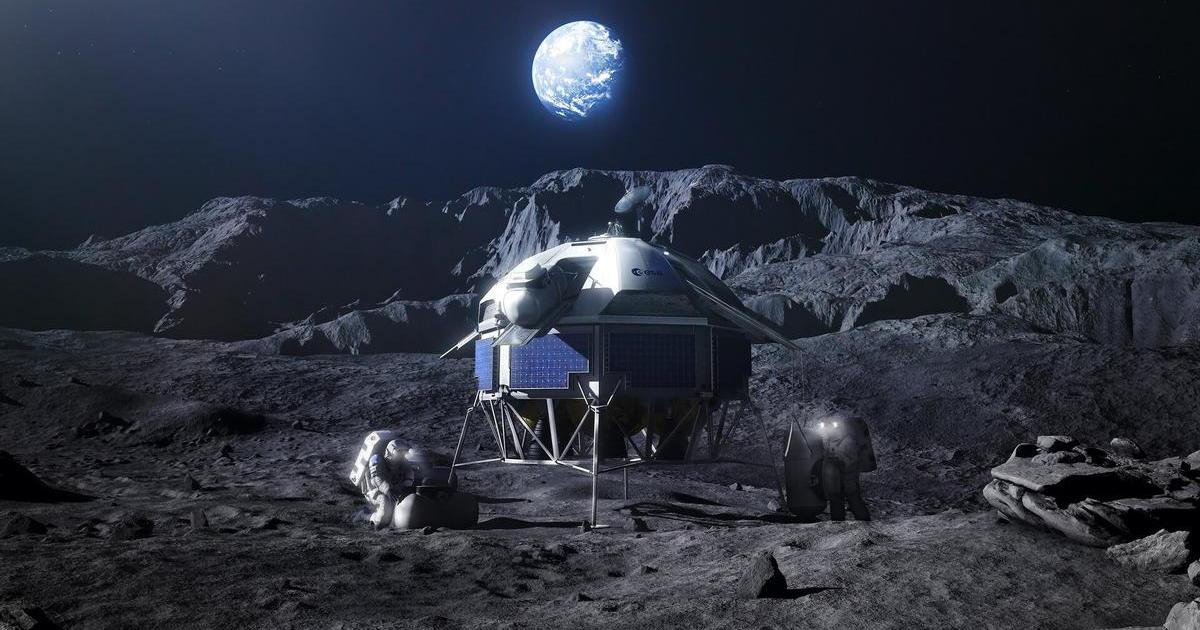
The pristine environment of the Moon is facing an unprecedented threat from the rapid increase in lunar exploration missions. Scientists warn that the accumulation of human-made waste, chemical contaminants, and physical disturbances from landing spacecraft could permanently alter the lunar surface, effectively “poisoning” the environment for future scientific study. As international space agencies and private corporations accelerate their lunar programs, the lack of a comprehensive regulatory framework for lunar environmental protection has become a critical concern for the global scientific community.
The Impact of Lunar Landings on Pristine Regolith
Every spacecraft that touches down on the Moon leaves a lasting mark. The primary concern among researchers is the disruption of lunar regolith—the layer of loose, heterogeneous superficial deposits covering solid rock. When a lander descends, its engines kick up high-velocity lunar dust, which can travel long distances in the Moon’s low-gravity, vacuum environment. According to research published by the National Aeronautics and Space Administration (NASA), this dust plume can cause significant mechanical damage to nearby historical sites and sensitive scientific instruments.

Beyond physical displacement, there is the risk of chemical contamination. Spacecraft often carry propellants, lubricants, and various synthetic materials that are not native to the lunar environment. While the Moon is often viewed as a sterile, dead world, scientists emphasize that its surface is a crucial archive of solar system history. Contaminating this environment with Earth-based organic compounds could compromise the integrity of future samples collected by astronauts or robotic missions, potentially leading to false positives in the search for extraterrestrial life or chemical signatures.
Regulatory Gaps in the Artemis Era
The current international legal framework governing space activities remains largely anchored in the 1967 Outer Space Treaty. While this document establishes that space exploration should be carried out for the benefit of all countries, it provides minimal guidance on the environmental preservation of celestial bodies. As noted by the United Nations Office for Outer Space Affairs (UNOOSA), the rapid transition from state-led exploration to a multi-stakeholder model involving private corporations has outpaced the development of planetary protection policies.

The challenge lies in balancing the drive for resource utilization—such as mining lunar ice for water and fuel—with the necessity of maintaining “heritage sites” and scientifically valuable zones. Without clear international mandates regarding waste disposal and landing protocols, the risk of “lunar pollution” grows with every mission. Scientists are now advocating for the establishment of designated “lunar parks” or protected zones where human activity is restricted to preserve the natural state of the lunar crust.
The Scientific Stakes for Future Exploration
Why does this matter for the future of space travel? The Moon is increasingly viewed as a staging ground for deeper exploration into the solar system, including crewed missions to Mars. If the lunar surface is compromised, it could limit our ability to understand the Moon’s role in the early formation of the Earth-Moon system. The European Space Agency (ESA) has frequently highlighted the importance of preserving the lunar polar regions, where permanently shadowed craters may contain water ice that holds secrets about the early delivery of water to Earth.
Current discussions among global space agencies focus on the concept of “Sustainability in Space.” This involves implementing new landing technologies that minimize dust ejection and developing strict protocols for the decontamination of hardware before it leaves Earth. However, these measures are currently voluntary rather than legally binding. The lack of an enforcement mechanism means that even with the best intentions, the sheer volume of planned missions over the next decade threatens to create a “lunar gold rush” that prioritizes speed over environmental stewardship.
What Happens Next
The international community is expected to revisit these concerns at upcoming meetings of the Committee on the Peaceful Uses of Outer Space (COPUOS). These sessions are crucial for determining whether new guidelines can be integrated into existing international law to protect the lunar environment. As the cadence of lunar landings increases, the pressure on policymakers to establish binding environmental standards will only intensify.

The scientific community remains committed to monitoring the impact of existing lunar sites. Researchers are encouraged to track official mission filings and environmental impact assessments published by national space agencies to stay informed about how specific missions plan to mitigate their footprint. Readers interested in the latest developments regarding lunar policy and sustainable space exploration are invited to share their thoughts and follow our ongoing coverage of the evolving lunar landscape.