
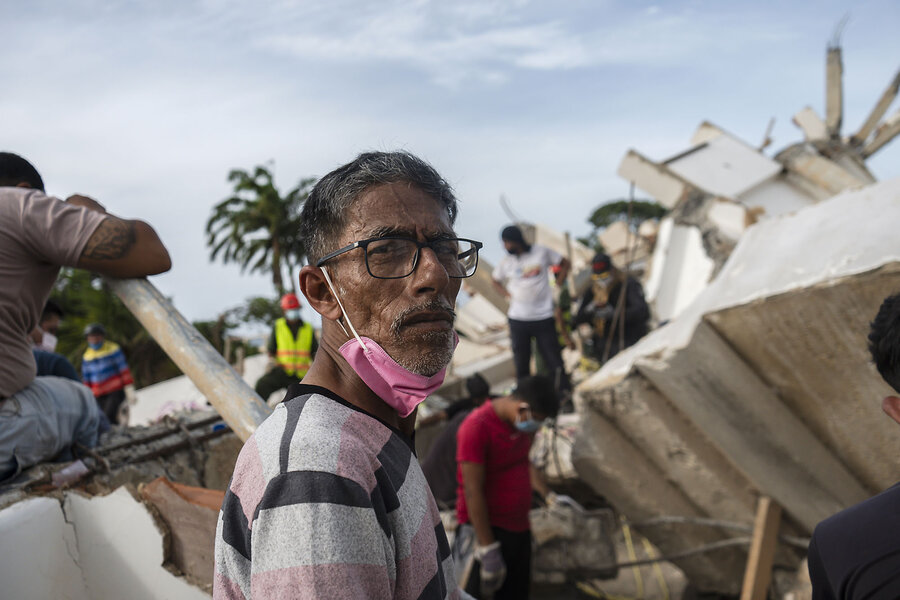
Six months after a U.S.-led military operation removed the administration of President Nicolás Maduro from power, Venezuela remains in a state of profound political and humanitarian transition. The country, currently navigating the aftermath of two significant seismic events, faces a complex recovery process where the role of international aid, particularly from the United States, has become a central point of national debate. As the interim government and international organizations attempt to stabilize the nation, citizens remain divided over the legitimacy and effectiveness of foreign intervention in domestic disaster relief.
The transition of power, which followed the collapse of the previous government in early 2024, has fundamentally altered the geopolitical landscape of the region. According to reports from the U.S. Department of State, Washington has shifted its focus toward supporting democratic stabilization and humanitarian assistance. However, the presence of U.S. personnel and resources on the ground—initially intended to support recovery efforts—has triggered a wide range of responses from the Venezuelan public, reflecting deep-seated historical tensions regarding foreign involvement in Latin American governance.
The Intersection of Political Transition and Natural Disaster
The challenges facing the current administration are compounded by the environmental impact of two major earthquakes that struck the northern regions of the country in the months following the change in leadership. The destruction of critical infrastructure, including hospitals and power grids, has necessitated a massive influx of external aid. Data from the United States Agency for International Development (USAID) indicates that millions of dollars in emergency supplies, medical equipment, and technical personnel have been deployed to coordinate with local authorities.

For many residents, the arrival of foreign aid is a matter of survival. In regions where basic services were already failing prior to the seismic activity, the U.S.-backed recovery efforts have provided a necessary lifeline. Yet, this assistance has not been universally welcomed. Opposition groups and civil society organizations have raised concerns about the long-term implications of relying on foreign military and logistical support, questioning whether such aid serves to stabilize the country or to solidify a new, foreign-aligned power structure.
Public Sentiment and the Debate Over Sovereignty
Public opinion across Caracas and the surrounding provinces remains fractured. Supporters of the current administration argue that the military-led recovery is the only viable path to restoring order in a post-conflict environment. They point to the speed of the deployment and the scale of the resources as evidence of a commitment to the Venezuelan people. Conversely, critics argue that the intervention violates national sovereignty and that the focus on U.S.-led recovery efforts sidelines local community organizations that possess a better understanding of the ground-level needs.
The Human Rights Watch has documented the ongoing difficulties in maintaining transparency during this transition, noting that the combination of a new government and an emergency disaster response creates a high risk of bureaucratic mismanagement. As citizens navigate the daily reality of food and medicine shortages, the question of who leads the recovery has become inextricably linked to the question of who holds the future of the nation.
What Happens Next: Monitoring the Recovery
The path ahead for Venezuela depends on the success of the upcoming institutional audits and the ability of the interim government to transition toward a stable, civilian-led administration. International observers are closely monitoring the Organization of American States (OAS) for updates regarding the scheduling of future elections and the gradual withdrawal of foreign military assets. The next key checkpoint will be the release of the quarterly humanitarian impact report, which is expected to outline the progress of seismic reconstruction and the status of international aid distribution.
As the situation continues to evolve, the international community remains attentive to the balance between necessary humanitarian intervention and the preservation of national autonomy. The recovery process is not merely a logistical challenge but a defining moment for the future of Venezuelan governance. We invite our readers to share their perspectives on the developing situation in the comments section below, as we continue to provide verified updates on this unfolding story.