
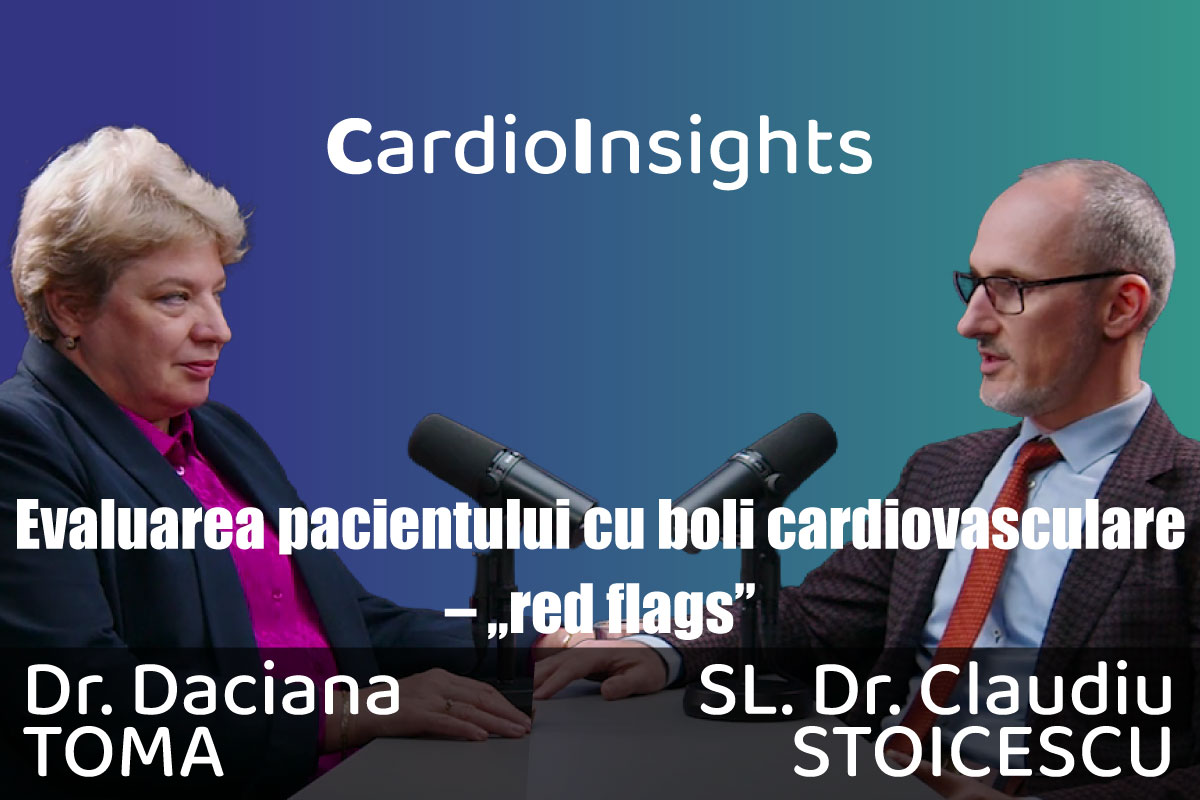
Cardiovascular risk assessment for patients over 40 requires a systematic approach to identifying early warning signs, or “red flags,” that necessitate prompt clinical intervention. According to the European Society of Cardiology (ESC), early detection of asymptomatic cardiovascular disease is a cornerstone of preventative medicine, particularly as metabolic and hemodynamic changes often accelerate after the fourth decade of life. For primary care physicians, the objective is to move beyond routine screening and identify subtle markers that indicate underlying pathology.
As a physician, I frequently emphasize that the transition into middle age serves as a critical window for intervention. The clinical evaluation of a patient aged 40 or older must integrate traditional risk factors—such as hypertension, dyslipidemia, and smoking—with a nuanced assessment of emerging symptoms. This proactive strategy is supported by the World Health Organization (WHO), which highlights that early risk identification can significantly reduce the incidence of premature mortality from cardiovascular events.
Recognizing Clinical Red Flags in Midlife Patients
The primary challenge in evaluating patients over 40 is distinguishing between benign symptoms and indicators of significant cardiovascular compromise. Clinical practice guidelines suggest that physicians should maintain a high index of suspicion for atypical presentations. Common red flags that warrant further investigation include unexplained exertional dyspnea, persistent fatigue that does not correlate with physical exertion, and intermittent palpitations that may signal occult arrhythmias.
Furthermore, the American Heart Association (AHA) notes that symptoms such as jaw pain, neck discomfort, or epigastric distress during physical activity should be treated as potential indicators of myocardial ischemia until proven otherwise. In patients over 40, these symptoms are often dismissed as musculoskeletal or digestive issues, highlighting the need for a thorough history and a low threshold for diagnostic testing, such as electrocardiograms (ECGs) or stress testing, when clinical history remains ambiguous.
The Role of Systematic Risk Stratification
Effective cardiovascular evaluation relies on robust risk stratification tools. The SCORE2 system, developed by the ESC, is widely used across Europe to estimate the 10-year risk of cardiovascular disease in apparently healthy individuals. By incorporating age, sex, smoking status, systolic blood pressure, and cholesterol levels, clinicians can provide patients with a quantifiable assessment of their health trajectory.
However, risk calculators provide only a baseline. A comprehensive assessment must also account for lifestyle factors, family history of premature coronary artery disease, and social determinants of health. Recent data from the Centers for Disease Control and Prevention (CDC) indicate that chronic conditions like diabetes mellitus and obesity significantly modify cardiovascular risk profiles, requiring more frequent monitoring and more aggressive therapeutic targets for patients who meet these criteria.
Integrating Diagnostic Innovation into Primary Care
The landscape of cardiovascular diagnostics is evolving to include more precise, non-invasive imaging. For patients identified as having intermediate risk, coronary artery calcium (CAC) scoring via computed tomography has become an increasingly valuable tool. According to the 2019 ACC/AHA Guideline on the Primary Prevention of Cardiovascular Disease, CAC scoring can assist clinicians in deciding whether to initiate statin therapy or aspirin prophylaxis, providing a clearer picture of atherosclerotic burden than traditional risk scores alone.

When evaluating these patients, physicians should also prioritize the following diagnostic steps:
- Reviewing baseline lipid panels and HbA1c levels to assess metabolic health.
- Conducting a thorough physical examination focusing on bruits, peripheral pulses, and signs of fluid overload.
- Evaluating the patient’s exercise capacity to identify limitations that may suggest underlying cardiac dysfunction.
- Reviewing potential medication interactions that might exacerbate cardiovascular symptoms.
Moving Toward Personalized Preventative Strategies
The ultimate goal of cardiovascular evaluation is to empower the patient through personalized management. Once red flags are addressed and risk is stratified, the focus shifts to sustained lifestyle modification. This includes structured nutritional guidance, smoking cessation programs, and physical activity recommendations tailored to the patient’s functional capacity. According to recent clinical updates from the Lancet Commission, public health initiatives that support environment-level changes are as vital as individual clinical interventions for long-term cardiac health.

As we continue to refine these assessment protocols, the emphasis remains on the doctor-patient relationship. Open communication regarding the limitations of screening and the benefits of early intervention is essential. Patients over 40 should be encouraged to report new or changing symptoms immediately, rather than waiting for scheduled check-ups. The next official update regarding cardiovascular screening guidelines from the European Society of Cardiology is expected in late 2024, at which point clinicians should review their current intake protocols to ensure they align with the latest evidence-based recommendations.
We invite you to share your clinical experiences or questions regarding cardiovascular screening in the comments section below. Engaging in a professional dialogue is the most effective way to improve patient outcomes and refine our approach to preventative cardiology.