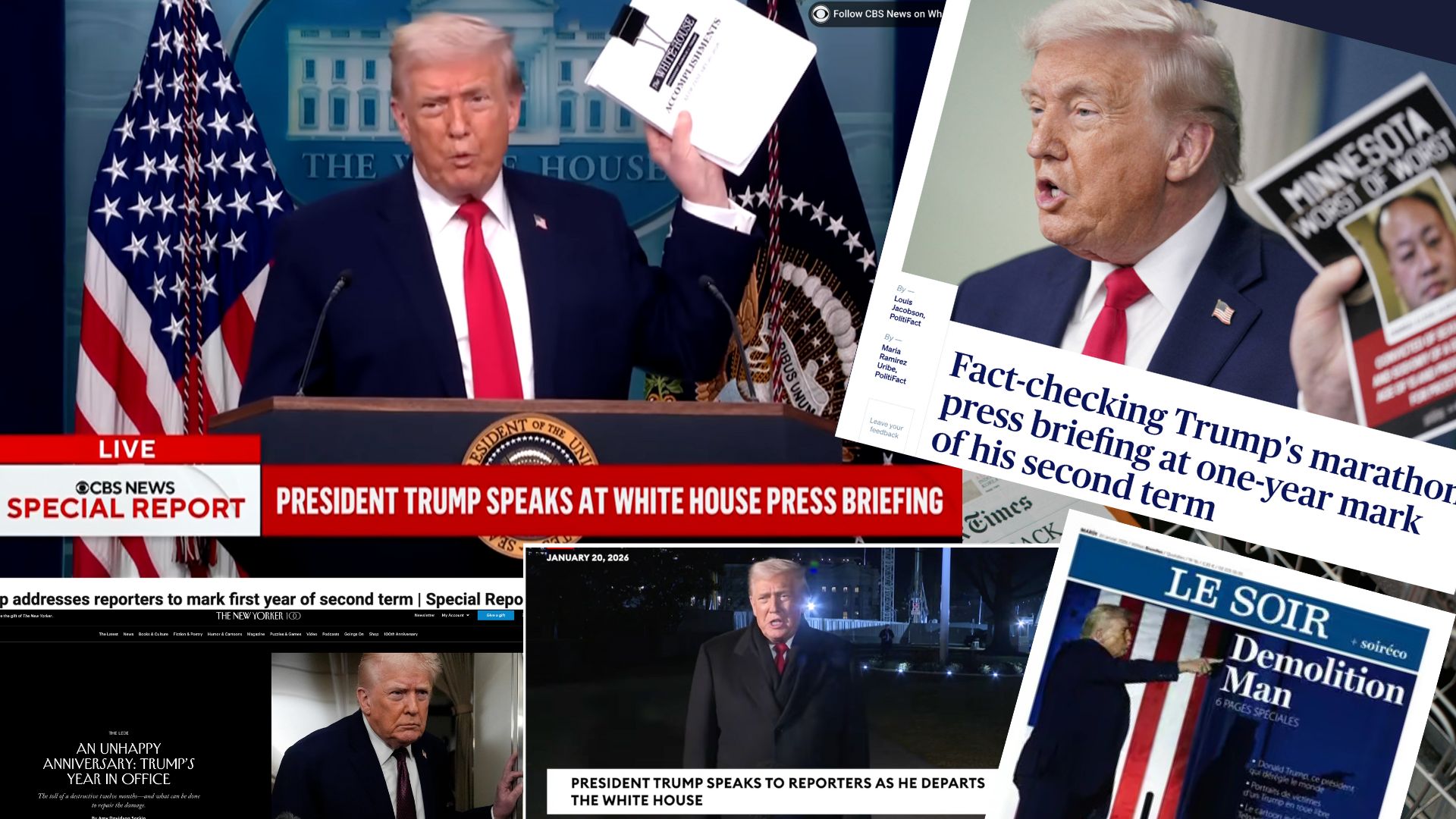
Erosion of press Freedom in the United States: A Growing Human rights Crisis
The freedom of the press in the United States is facing an unprecedented challenge, marked by increased legal intimidation of journalists, intrusions into their private communications, and a broader pattern of attacks on media independence. Recent developments, including the legal battles surrounding journalist Ben Natanson and the broader actions of the current administration, have raised alarms among press freedom organizations and human rights advocates.
Intrusive Subpoenas and Legal Intimidation
Recent reports indicate a surge in the use of subpoenas targeting journalists, seeking to unmask confidential sources and access private communications. While some of thes subpoenas have been revised or set aside,the very act of issuing them creates a chilling effect on investigative journalism. The case of Ben Natanson, a journalist facing legal pressure for his reporting, exemplifies this trend. Even if the charges against Natanson are ultimately dropped, the message sent is clear: journalists who challenge power structures risk severe repercussions, including the exposure of their sources.
A Threat to the Protection of Sources
The protection of journalistic sources is a basic principle of a free press.The current climate of intimidation directly threatens this cornerstone of investigative reporting. Without the ability to guarantee confidentiality, sources become less willing to come forward with crucial information, hindering the publicS right to know.
Authoritarian Practices in a Democratic Society
Press freedom organizations have condemned these actions as a dangerous intrusion and a profound threat to democratic values. As PEN America’s journalism leadership has noted, such behavior is more commonly associated with authoritarian police states than with democratic societies that recognize the vital role of journalism in informing the public.
A Full-Blown Human Rights Crisis
Amnesty International has escalated the concern,arguing that the situation has evolved beyond a mere media dispute and now constitutes a full-blown human-rights crisis. Paul O’Brien, Executive Director of Amnesty International USA, warns that the administration’s dismantling of norms and concentration of power are designed to make accountability unachievable. He asserts that these authoritarian practices undermine human rights and increase risks for journalists, protesters, lawyers, students, and human rights defenders.
Twelve domains of Eroding Freedom
Amnesty International identifies twelve interconnected areas where the foundations of a free society are being eroded.Attacks on press freedom and access to information are central to this erosion. The organization documents intimidation of journalists, restrictions on access, the delegitimization of media, and the politicization of regulatory bodies. These consequences extend beyond the United States,as the dismantling of international broadcasting services weakens self-reliant reporting in regions with already fragile press freedoms.
Decline in International Press Freedom Rankings
International press freedom rankings corroborate these concerns. Reporters Without Borders has documented a significant decline in the United States’ position on the World Press Freedom Index, citing political pressure, legal intimidation, and the politicization of access to information. the organization draws a stark comparison to leaders like Vladimir Putin, noting that the current president promised to be a “dictator on day one” and, regarding the press, has largely fulfilled that promise. in the past year, goverment data have been censored, public broadcasters dismantled, independent agencies politicized, media intimidated thru the courts, and international support for press freedom withdrawn.
A Systematic War on the Free Press
as Clayton Weimers of reporters Without Borders observes, individual attacks may fade from the daily news cycle, but collectively, they reveal a disturbing pattern: the American president is waging a systematic war on the free press, with repercussions extending far beyond U.S. borders.
A Sobering Shift in the Media landscape
Journalist and author Masha Gessen, writing in The New York Times, captured the current moment succinctly, stating that while independent media still exists, the changes to the media landscape are deeply concerning.
A Call to Action
gessen concludes with a warning and a call to action, emphasizing that while the United States is not yet in the same position as countries like Russia, Hungary, or Venezuela, it is crucial to learn from their experiences. She urges citizens to actively defend freedom of speech, writing, publishing, protesting, and voting, stating: “The onyl way to keep the space from imploding is to fill it, to prop up the walls: to claim all the room ther still is for speaking, writing, publishing, protesting, voting.” She points to the actions of citizens in Minnesota as an example of this proactive defense of democratic values.
Keep reading