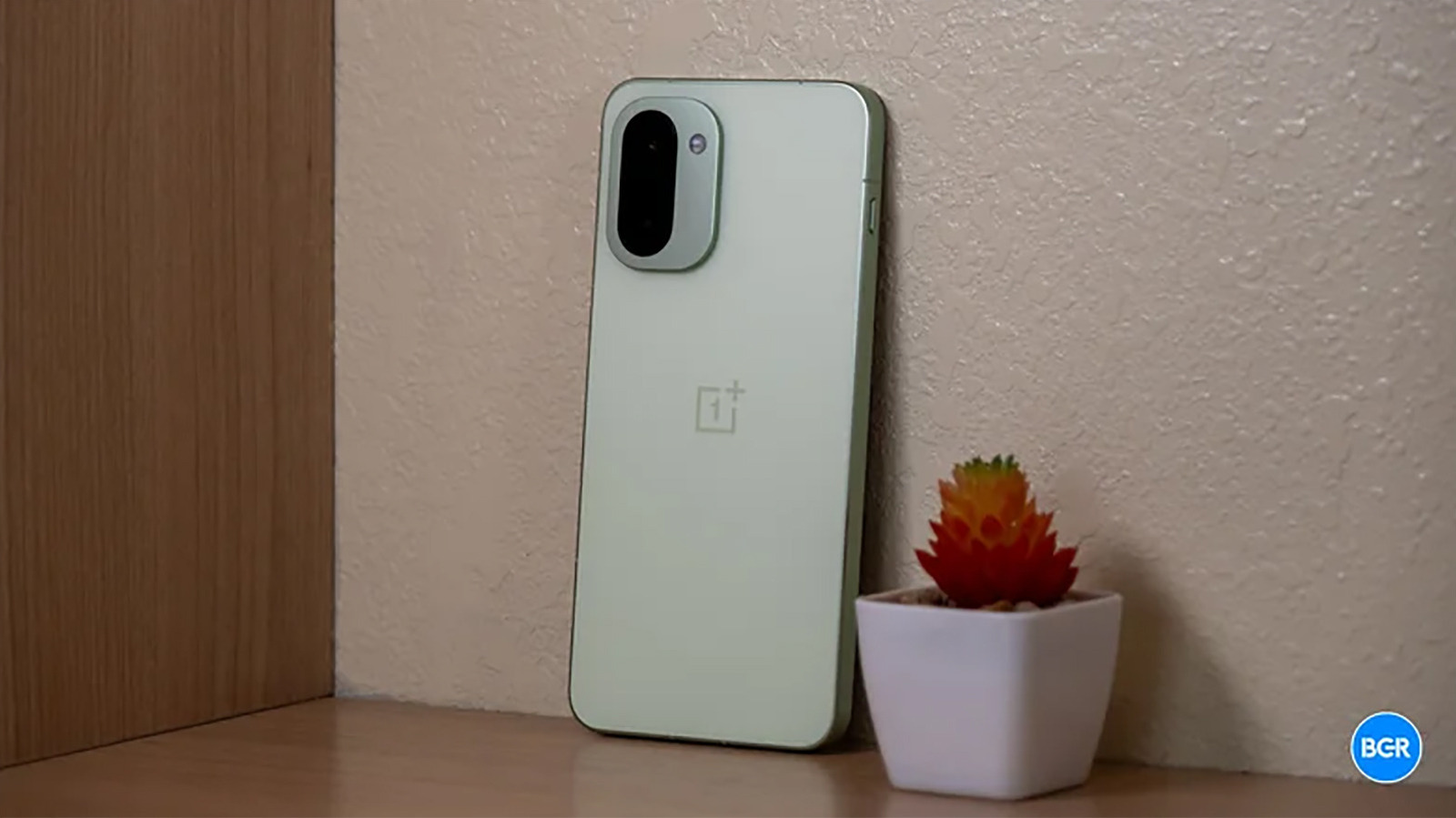
OnePlus R series phones offer a compelling proposition for mobile buyers worldwide by delivering high-end performance at a substantially lower cost than flagship models, but understanding the compromises requires examining precise hardware differences. When OnePlus expanded its smartphone lineup to include the “R” variant globally—beginning widely with the OnePlus 12R—consumers gained access to flagship-grade batteries and processors while paying hundreds of dollars less than they would for a standard flagship device. According to product specifications and reviews from technology publications like Android Central, the cost savings are achieved by strategically scaling back secondary camera sensors, display resolutions, and build materials rather than sacrificing core processing speed.
As smartphone prices continue to climb past the $1,000 threshold globally, device manufacturers have introduced mid-flagship tiers to capture budget-conscious consumers who still demand robust performance. The strategy behind the OnePlus R series centers on retaining features that matter most to heavy users—such as battery capacity and processor speed—while trimming expenses on components where everyday users notice the difference less. Evaluating these tradeoffs requires a close look at how the R series compares to its more expensive counterparts in processor selection, display technology, and camera hardware.
Processor and Performance Tradeoffs
OnePlus typically equips its R series devices with top-tier or near-top-tier processors from the previous or current generation, ensuring that day-to-day speed remains remarkably close to the standard flagship. For instance, the OnePlus 12R launched with Qualcomm’s Snapdragon 8 Gen 2 chip, which powered standard flagships just a year prior. According to performance evaluations published by The Verge, this approach allows the R series to handle intense mobile gaming, multitasking, and software updates without the massive price tag attached to the newest silicon.
However, memory configurations and storage speeds occasionally see slight adjustments. While users still get generous RAM allocations, the underlying storage standard may rely on slightly older flash memory technology compared to the absolute latest standard found in mainline flagships. Even with these minor hardware shifts, real-world speed tests consistently show that the average consumer will struggle to notice any performance gap during standard operations.
Display and Build Quality Differences
To reduce production costs, OnePlus makes noticeable adjustments to display resolution and exterior construction in the R series. Standard flagships often feature QHD+ (Quad High Definition) resolution screens that push maximum pixel density. By contrast, R series models typically step down to FHD+ (Full High Definition +) panels, though they maintain high refresh rates—such as 120Hz—to ensure smooth scrolling and responsive animations.
Materials also play a crucial role in the price differential. Mainline flagships frequently utilize advanced aerospace-grade aluminum frames, specialized ceramic backs, or elaborate camera island designs protected by the newest iterations of Gorilla Glass. R series phones often substitute these premium finishes with sturdy plastic frames or slightly older glass protection standards. According to hands-on hardware breakdowns by Android Police, these alterations make the devices slightly less luxurious to the touch, but they do not compromise the structural durability required for daily use.
Camera Hardware and Sensor Cuts
The most substantial hardware compromise in the OnePlus R series lies within the camera system. While standard flagships boast triple-camera arrays featuring massive primary sensors, high-resolution periscope telephoto lenses, and advanced partnerships with legacy camera brands like Hasselblad, the R series adopts a more modest approach.
An R series phone typically includes a competent main camera sensor capable of capturing sharp daylight imagery, but it is routinely paired with a lower-resolution ultrawide lens and a macro or depth sensor of limited utility. Dedicated telephoto zoom lenses are frequently omitted or replaced with digital cropping capabilities. For mobile photographers seeking exceptional optical zoom and professional-grade color tuning, mainline flagships remain the superior choice, whereas the R series targets users who only require casual snapshots for messaging and social media.
Battery Capacity and Charging Speeds
Interestingly, battery technology is one area where the R series occasionally matches or even surpasses standard flagships. OnePlus has outfitted R series devices with exceptionally large power cells—frequently reaching 5,500mAh—alongside signature fast-charging protocols like 80W SuperVOOC wired charging. Because the lower-resolution FHD+ displays consume slightly less power than QHD+ flagship screens, R series devices often deliver stellar battery longevity that outlasts more expensive competitors, providing a major practical advantage for heavy travelers and remote workers.
Comparative Overview of Flagship vs. R Series
| Feature | Standard Flagship (e.g., OnePlus 12) | R Series (e.g., OnePlus 12R) |
|---|---|---|
| Starting Price | Higher tier (approx. $799+) | Mid-tier savings (approx. $499+) |
| Processor | Latest generation silicon | Current or previous-generation flagship silicon |
| Display Resolution | QHD+ with advanced dynamic refresh | FHD+ with high refresh rate |
| Camera System | Advanced multi-lens array with periscope zoom | Competent main sensor with basic ultrawide/macro |
| Build Materials | Premium glass, specialized metal frames | Sturdy plastic or standard glass frames |
| Battery & Charging | High capacity with rapid charging | Equally large or larger capacity with fast charging |
Prospective buyers evaluating these devices can monitor upcoming product availability announcements and official technical documentation directly through the OnePlus Official Website. As the manufacturer prepares future iterations of its smartphone ecosystem, consumers weighing cost against capability will find that the R series successfully bridges the gap between budget constraints and flagship performance.
Worth a look