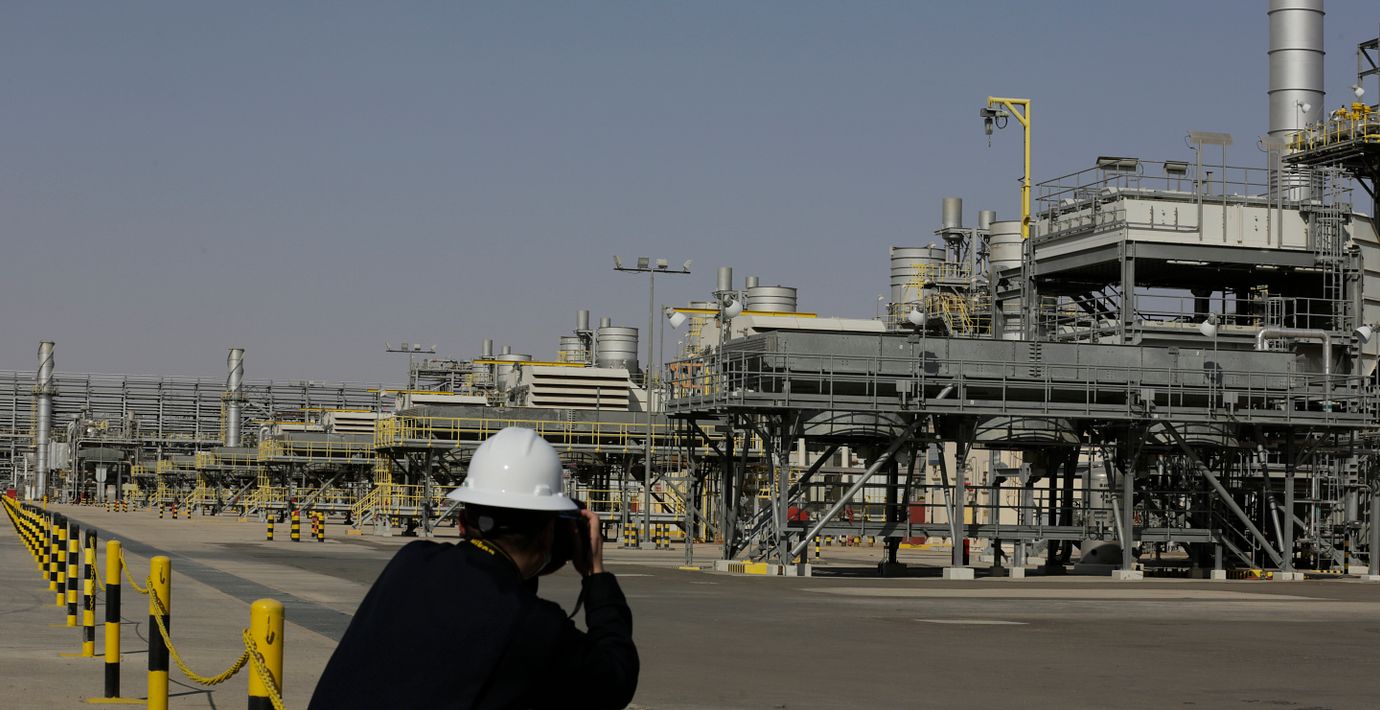
The global energy landscape has entered a period of profound instability as the Organization of the Petroleum Exporting Countries (OPEC+) attempts to stabilize markets following a series of geopolitical shocks. In a move intended to soothe soaring prices, OPEC+ members are expected to agree to a modest increase in oil output targets for June, though analysts warn the measure may be largely symbolic given the current state of Gulf logistics.
This decision comes at a critical juncture for the cartel, which is reeling from the surprise departure of the United Arab Emirates (UAE) on April 28, 2026. The UAE’s exit, combined with the ongoing paralysis of oil and gas exports caused by the closure of the Strait of Hormuz, has stripped the organization of significant leverage and left the global market vulnerable to extreme volatility.
As Chief Editor of Business at World Today Journal, I have tracked the intersection of economic policy and geopolitical risk for nearly two decades. The current situation is not merely a matter of production quotas; it is a fundamental restructuring of how the world’s most powerful oil bloc operates in an era of active conflict. The attempt to open the taps
while the primary maritime artery of the Gulf remains blocked creates a paradoxical scenario where production targets increase on paper, but physical barrels cannot reach the global market.
The UAE Departure and the Erosion of OPEC+ Clout
The departure of the United Arab Emirates on April 28, 2026, represents one of the most significant blows to the cartel’s unity in recent history. According to reporting from CNN Business, the move is seen as a strategic shift by Abu Dhabi to capitalize on rising global energy demand without the constraints of OPEC+ production quotas.
For decades, the UAE has been a cornerstone of the alliance, providing both technical expertise and significant production capacity. Its exit fundamentally alters the group’s internal dynamics, potentially triggering a shift toward a more fragmented market where individual nations prioritize national revenue over collective price stability. Some analysts suggest this loss of cohesion could eventually lead to lower oil prices if a price war erupts among the remaining members, though that outcome is currently eclipsed by the immediate crisis of supply.
The timing of the UAE’s withdrawal is particularly disruptive. It occurred just as the group was facing unprecedented pressure to manage the fallout from the Mideast war, which has severely hampered the ability of Gulf nations to export their resources. The departure effectively removes one of the most capable producers from the group’s coordinated response mechanism at the exact moment the world requires stability.
The Hormuz Blockade: A Physical Barrier to Production
While OPEC+ may agree to raise production targets, the physical reality of the Strait of Hormuz renders such decisions nearly moot. The blockade of this critical waterway has largely paralyzed Gulf oil and gas exports, creating a bottleneck that no amount of quota adjustment can resolve. According to Reuters, the closure has muted OPEC’s traditional ability to manage the market during times of distress.
The Strait of Hormuz is the world’s most important oil chokepoint. When it is closed or restricted, the global supply chain is severed. Any agreement to increase production is essentially a theoretical exercise. The oil may be extracted from the ground, but if it cannot be shipped through the Strait, it cannot impact the global spot price or alleviate the shortages facing importing nations.
This logistical nightmare has led to a surge in oil prices, which rose as much as 1.5% on Monday, May 4, as markets reacted to the reaffirmed plan to pause further production increases in the first quarter of next year, according to CNBC.
Analyzing the June Production Hike
Despite the blockade and the loss of the UAE, seven OPEC+ countries have agreed to raise oil output targets by approximately 188,000 barrels per day in June. This marks the third consecutive monthly increase, but the scale of the hike is modest compared to the volume of oil currently trapped behind the Hormuz blockade.
The decision is widely viewed as a symbolic gesture. By increasing targets, OPEC+ signals to the global community—and specifically to consuming nations—that it is attempting to address the supply crunch. However, the actual impact on prices is expected to be minimal. The market is currently driven by “fear premiums” and physical scarcity rather than a lack of willingness by producers to pump oil.
Why the Market Remains Volatile
- Logistical Paralysis: Production increases are irrelevant if tankers cannot exit the Gulf.
- Loss of Coordination: The UAE’s exit reduces the group’s ability to enforce quotas and maintain a unified front.
- Geopolitical Risk: The ongoing U.S.-Iran conflict continues to disrupt the primary shipping routes for Middle Eastern crude.
- Demand Pressure: Global energy demand remains high, exacerbating the impact of every lost barrel.
What This Means for Global Economies
For the global consumer, the “paper increases” from OPEC+ offer little immediate relief. When the primary export route for a significant portion of the world’s oil is blocked, the resulting price spikes are felt at every level of the economy, from the gas pump to the cost of manufactured goods.
The erosion of OPEC’s influence also introduces a modern variable: the risk of a “free-for-all” production environment. If other members follow the UAE’s lead and depart the cartel, the world could observe a surge of oil onto the market once the blockade is lifted. While this would eventually crash prices, the transition period would likely be characterized by extreme swings and unpredictability.
From an economic perspective, we are seeing a shift from a managed market—where a cartel controls the flow to maintain a specific price floor—to a market dictated by raw geopolitical conflict and logistical capacity. This is a far more dangerous environment for global economic planning.
Key Market Dynamics at a Glance
| Event | Immediate Effect | Long-term Market Implication |
|---|---|---|
| UAE Departure (Apr 28) | Reduced cartel unity | Potential for fragmented production and price wars |
| Hormuz Blockade | Paralyzed exports | Sustained high prices due to physical scarcity |
| June Production Hike | Symbolic target increase | Minimal impact on actual global supply |
Looking Ahead: The Next Checkpoint
The immediate focus for energy markets will be the actual implementation of the June production targets and any potential diplomatic breakthroughs regarding the Strait of Hormuz. The market is waiting for a tangible shift in the security situation in the Gulf; without it, the cartel’s quota adjustments remain an exercise in futility.
The next critical window for the market will be the monitoring of shipment volumes throughout June to see if any “shadow” routes or alternative exports are bypassing the blockade. We will continue to track the stability of the remaining OPEC+ members and any further signals of defection from the alliance.
Do you believe the current OPEC+ strategy is sufficient to stabilize energy prices, or is the cartel now a relic of a pre-conflict era? Share your thoughts in the comments below.
Related reading
- C à Vous: Latest Episodes, Guests and Highlights
- Colombia President Abelardo de la Espriella Faces Deadly Bombing Attacks on First Day in Office
- iPhone 17 Prices May Increase as Early as Monday, Rumors Suggest (time.news)
- Why Vermont Cannabis Prices Remain High Through Artisan Focus (newsdirectory3.com)