
The fragile ceasefire between the United States and Iran is facing a critical juncture as President Donald Trump weighs a new peace proposal from Tehran while simultaneously escalating diplomatic tensions with European allies. In a series of statements made over the weekend, the U.S. President indicated that while he is reviewing a 14-point plan to end the conflict, he remains skeptical of its viability and has not ruled out a resumption of military strikes.
The current geopolitical volatility is underscored by a significant shift in U.S. Military posture in Europe. On Friday, May 1, 2026, the Pentagon announced that the United States will withdraw approximately 5,000 troops from Germany over the next six to 12 months according to AP News. The move is widely viewed as a reaction to criticism from the German chancellor regarding the U.S. Conduct of the war with Iran.
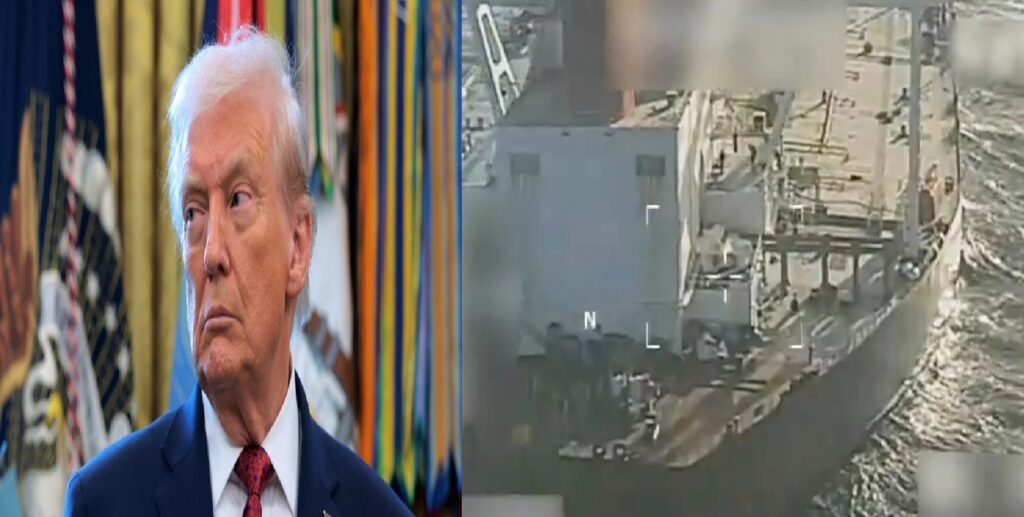
Tensions are further compounded by a high-stakes naval standoff in the Strait of Hormuz. Despite a U.S. Blockade intended to pressure the Islamic Republic into a nuclear agreement, reports indicate that Iranian “shadow fleet” tankers have successfully evaded the blockade. One specific Iranian supertanker, carrying an estimated $220 million of oil, reportedly slipped through the U.S. Naval perimeter as reported by Anadolu Agency.
As the world watches the clock on the current ceasefire, the risk of a rapid return to hostilities remains high. The intersection of military withdrawals in Europe and the failure of a total blockade in the Persian Gulf suggests a complex strategy of pressure and pivot, leaving the global energy market and international security frameworks in a state of precarious uncertainty.
Trump Weighs Iran Peace Offer Amid Threat of New Strikes
Speaking to reporters at Palm Beach International Airport on Saturday, May 2, 2026, President Donald Trump confirmed he is reviewing a new offer from the Iranian regime to end the war. However, the president expressed significant doubt that the proposal is acceptable
per NBC News. The proposal consists of 14 points aimed at resolving the current hostilities, but Trump warned that air strikes could be restarted if Tehran misbehaves
according to Al Jazeera.
This diplomatic dance occurs against a backdrop of domestic pressure in the U.S. On May 1, 2026, Trump told Congress that hostilities in Iran have terminated
following a ceasefire imposed on April 7 that has since been extended per CNBC. This claim was strategically timed to coincide with a deadline under the War Powers Resolution of 1973, which would have required the president to seek congressional authorization for continued military force.
The Iranian leadership, through the Pasdaran (Islamic Revolutionary Guard Corps), has maintained a defiant stance. High-ranking officials have suggested that the U.S. Administration is faced with a binary choice: accept a deal that Tehran deems fair or attempt a military operation that they characterize as impossible. This rhetoric reflects a broader strategy by Tehran to project confidence and stability despite the ongoing economic pressure from U.S. Sanctions and the naval blockade.
U.S. Troop Withdrawal from Germany: A Diplomatic Rift
The decision to reduce the U.S. Military footprint in Germany marks a significant escalation in friction between Washington and its NATO allies. The Pentagon’s announcement on May 1, 2026, that about 5,000 troops will be withdrawn in the coming six to 12 months includes the removal of one brigade combat team according to NBC News.
The drawdown is not a routine strategic realignment but a direct response to diplomatic clashes. U.S. Officials indicated the move follows remarks from the German chancellor suggesting that the U.S. Was being humiliated
by Iran per CBC News. By linking military presence in Europe to diplomatic alignment on the Iran conflict, the Trump administration is signaling a “transactional” approach to NATO alliances.
This move has raised concerns among European security experts regarding the stability of the eastern flank of NATO. While the 5,000-troop reduction is a fraction of the total U.S. Presence in Germany, the symbolic nature of the withdrawal suggests a willingness to disrupt established security architectures if allies do not provide unconditional support for U.S. Foreign policy objectives in the Middle East.
The Battle for the Strait of Hormuz
The naval blockade in the Strait of Hormuz remains the primary lever of economic pressure used by the United States. President Trump has stated that the blockade will remain in place until Iran agrees to a comprehensive nuclear deal. However, the effectiveness of this strategy is being challenged by Iran’s “shadow fleet”—a network of tankers that use deceptive tactics to move oil.
Recent data indicates that the blockade has not been absolute. At least two fully laden Iranian tankers reportedly bypassed U.S. Warships in late April, ferrying roughly 9 million barrels of oil to the market per Bloomberg. The most notable breach involved a supertanker carrying oil valued at $220 million, which successfully evaded U.S. Detection according to Anadolu Agency.
Analysts suggest that Iran may have enough oil storage to withstand a total blockade for at least a month, providing Tehran with a window to ramp down production without damaging its oil fields per CNBC. This capacity for endurance complicates the U.S. Goal of inducing immediate economic collapse to force a diplomatic concession.
Key Developments at a Glance
| Date | Event | Impact |
|---|---|---|
| May 1, 2026 | Pentagon announces withdrawal of 5,000 troops from Germany | Strains NATO relations; responds to German criticism |
| May 1, 2026 | Trump tells Congress hostilities have “terminated” | Avoids War Powers Resolution deadline |
| May 2, 2026 | Trump reviews Iran’s 14-point peace proposal | Potential path to ceasefire, though skepticism remains high |
| May 3, 2026 | Reports of Iranian supertanker evading U.S. Blockade | Challenges the efficacy of the Hormuz naval strategy |
What Happens Next
The immediate focus remains on the White House’s official response to the 14-point Iranian proposal. If the administration rejects the offer as “unacceptable,” the risk of a resumption of air strikes increases significantly. The U.S. Must now navigate the logistical reality of the troop withdrawal from Germany, which will be monitored closely by NATO leadership for any further signs of U.S. Disengagement from European security.
The next critical checkpoint will be the formal response from the State Department regarding the specific wording of the Iranian peace offer. Until then, the Strait of Hormuz remains a volatile flashpoint where a single miscalculation between the U.S. Navy and the Iranian shadow fleet could trigger a wider conflict.
We invite our readers to share their perspectives on the shifting NATO dynamics in the comments below. For the latest updates on global geopolitics, subscribe to the World Today Journal newsletter.
Related reading