
OpenAI is reportedly evaluating a strategic shift to transform its flagship product, ChatGPT, into a comprehensive “super-app” as the San Francisco-based artificial intelligence company prepares for a potential public offering. This evolution would mark a significant departure from the tool’s current utility as a standalone chatbot, aiming to integrate a broader suite of services directly into the user interface.
As of June 2026, OpenAI operates as a for-profit public benefit corporation, with a workforce of approximately 4,500 employees. The organization, which counts Microsoft among its primary investors, is navigating an increasingly competitive landscape in generative AI while managing the high operational costs associated with developing and deploying advanced large language models.
Expanding the Scope of ChatGPT
The concept of a “super-app”—a platform that consolidates diverse functions such as messaging, payments, commerce, and specialized utilities into a single ecosystem—has become a significant trend in global software development. By moving toward this model, OpenAI appears to be looking for ways to deepen user engagement and increase the daily utility of its technology beyond simple conversational queries.
Currently, the organization’s product portfolio includes a range of specialized tools, such as the GPT-5.5 model, the ChatGPT agent, and health-focused applications. Integrating these disparate services into a unified ChatGPT interface could streamline the user experience, allowing for more fluid transitions between tasks like data analysis, image generation via GPT Image, and complex project planning. This shift aligns with the company’s stated mission to develop artificial general intelligence (AGI) that can solve human-level problems across various domains.
Financial Context and Operational Scale
The push toward a more robust, multi-functional platform occurs against the backdrop of significant financial investment and expenditure. According to 2025 estimates, OpenAI reported revenue of $13.1 billion, while simultaneously recording a net loss of approximately $9 billion. These figures highlight the immense capital requirements involved in scaling AI infrastructure and maintaining data centers.
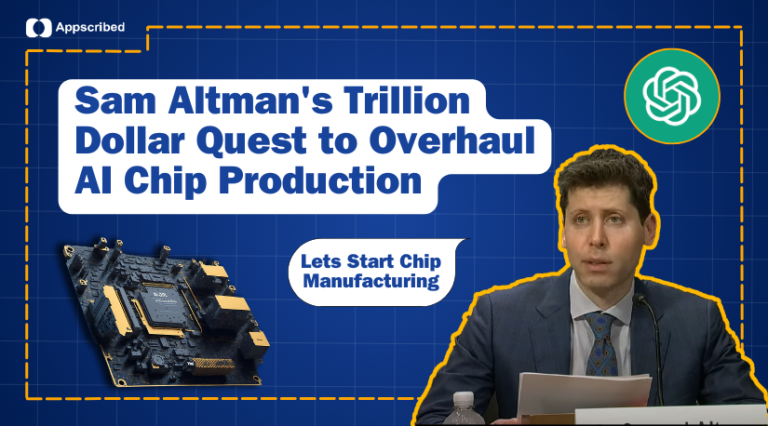
The corporate structure of OpenAI remains a complex mix of interests. While the OpenAI Foundation holds a 26% stake, Microsoft maintains a 27% share, with the remaining 47% distributed among employees and other investors. As the company looks toward a future public offering, the move to broaden ChatGPT’s functionality may be intended to demonstrate a more diversified and sustainable revenue stream to prospective shareholders and the broader market.
Leadership and Future Direction
Under the leadership of CEO Sam Altman, and with Bret Taylor serving as chairman, the company continues to refine its deployment strategy. The integration of “agentic” capabilities—where the AI takes proactive steps to complete tasks on behalf of the user—is expected to be a cornerstone of this super-app transition. This approach aims to move the platform from a reactive chatbot to an intelligent assistant capable of managing workflows in bioinformatics, finance, and software development.
The organization’s focus on safety and AI alignment remains a primary point of discussion within the industry. As the capabilities of its agents grow, the challenge for OpenAI will be to maintain the balance between rapid product expansion and the rigorous safety standards required for widespread adoption. The company has previously faced scrutiny regarding AI safety and the ethical implications of its technology, issues that will likely remain central to its development roadmap as it scales its operations.
What Happens Next
Investors and industry observers will be watching for official updates regarding the company’s financial filings and any formal announcements concerning the roadmap for the ChatGPT interface. As of early June 2026, no specific timeline for a public offering has been finalized, and the company has not provided a definitive launch date for the proposed super-app features.
For those interested in the latest developments from the organization, updates are typically shared through official company channels and regulatory disclosures. We will continue to track these developments as more information becomes available. If you have thoughts on the evolution of AI platforms, please feel free to share them in the comments section below.
Keep reading