Apple Dismisses Elon Musk’s Antitrust Claims, Calls “Super App” Fears Speculative
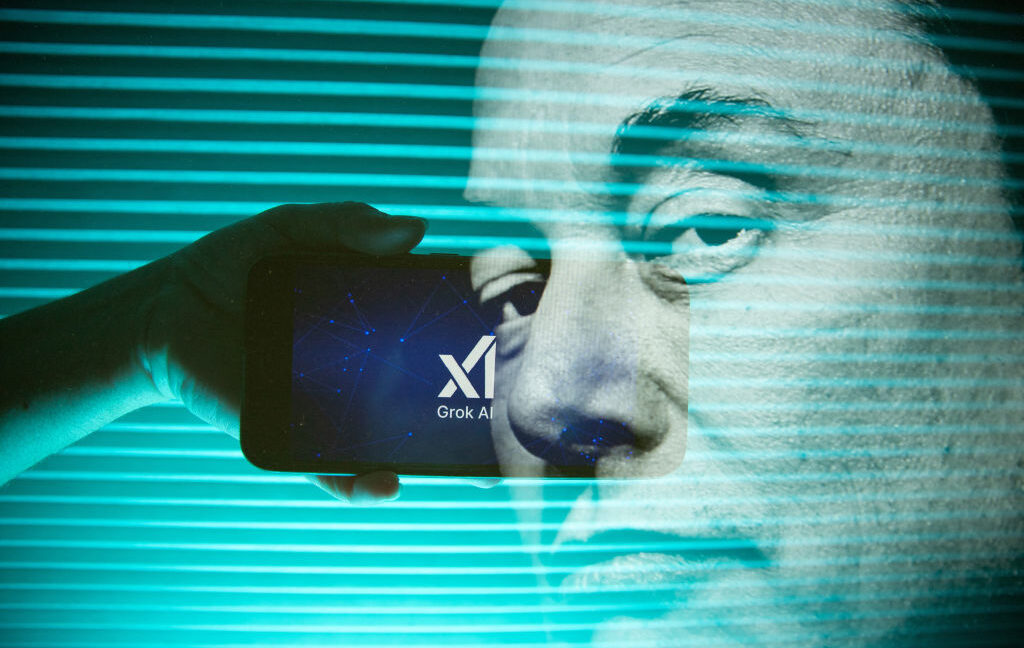
Apple has strongly refuted claims made by xAI, Elon Musk’s artificial intelligence company, that Apple is engaging in anti-competitive behaviour by prioritizing integration with OpenAI’s ChatGPT. In a recent filing, Apple characterized xAI’s arguments as relying on a tenuous chain of speculation and asserted that blocking its planned AI integrations would ultimately harm consumers by stifling innovation.
The core of the dispute centers around xAI’s assertion that Apple is deliberately hindering the growth of competing AI chatbots, like xAI’s Grok, to prevent the emergence of a powerful “super app” – a single request aiming to encompass a wide range of functionalities currently handled by smartphones themselves. Musk has publicly voiced concerns that Apple’s actions are designed to maintain its dominance in the smartphone market.
Though, Apple argues that xAI has failed to demonstrate any actual harm to competition. The company pointedly noted that xAI isn’t even a participant in the smartphone industry, and its concerns are based on hypothetical future scenarios. Apple’s legal team emphasized that antitrust laws are designed to protect consumers, not to preemptively address potential competition from technologies that may not materialize for a decade or more.
Deconstructing Musk’s “Super App” Argument
Apple’s filing meticulously breaks down the multi-layered argument presented by xAI, highlighting its speculative nature. Essentially, xAI’s claim hinges on a series of “if-then” statements, culminating in the idea that apple’s preference for ChatGPT will ultimately lead to the obsolescence of smartphones. Apple outlined this chain of reasoning as follows:
- If Apple doesn’t integrate Grok,consumers won’t use it as frequently.
- If Grok isn’t used frequently, it won’t achieve the scale and quality needed to compete.
- If Grok lacks scale and quality, the X app (Musk’s social media platform) won’t gain popularity.
- If X doesn’t become more popular, xAI won’t be well-positioned to build a ”super app.”
- If a ”super app” is developed, consumers might choose it over traditional smartphone functions.
- If consumers shift to “super apps,” the demand for advanced smartphones will decrease.
- If smartphone demand decreases, manufacturers will produce simpler, less functional phones.
- If simpler phones become the norm, iPhone users will switch to these basic models.
apple contends that this sequence of events is highly improbable and lacks a solid foundation in market reality. The company argues that focusing on such distant and speculative outcomes is not a legitimate basis for an antitrust claim.
The Cost of Universal Chatbot Integration
Apple also underscored the notable resources required to integrate any AI chatbot into its ecosystem. Musk himself acknowledges the “major undertaking” and “substantial investment” needed to integrate even a single chatbot like Grok into X. Apple argues that extending this effort to encompass all available chatbots – as xAI’s logic would seemingly require – would be prohibitively expensive and introduce substantial user safety risks.
In a pointed footnote, Apple suggested that if xAI’s logic were applied consistently, platforms like X might be obligated to integrate all competing chatbots, including ChatGPT, directly into their services. This highlights what Apple views as the impracticality and overreach of xAI’s demands.
Why This Matters: Protecting Innovation and Consumer Choice
Apple’s response isn’t simply a defense of its business practices; it’s a statement about the principles of innovation and competition. The company argues that imposing restrictions on its ability to integrate AI technologies based on speculative future threats would ultimately stifle progress, increase costs, and limit consumer choice.
By prioritizing a measured approach to AI integration, Apple believes it can deliver the most complex and secure experience to its customers. The company is urging the court to reject xAI’s claims and allow it to continue pursuing its vision for the future of AI-powered technology without the burden of unfounded antitrust concerns.
Related reading