
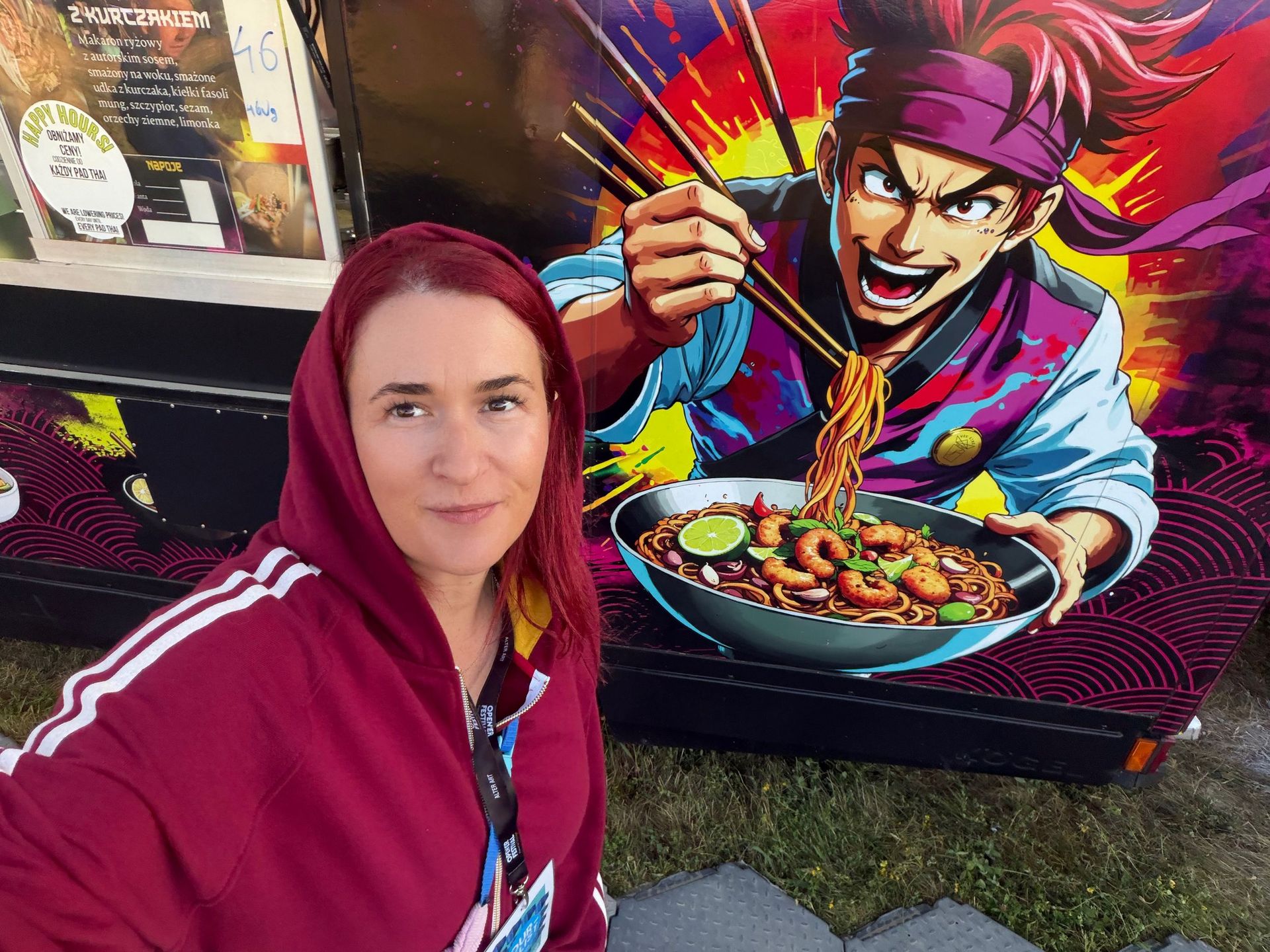
Open’er Festival Prices Spark Outrage Over High Costs in Gdynia
Open’er Festival attendees faced steep price increases for food and lodging in Gdynia during the 2024 event, with some hotel rates hitting 8,000 PLN for a long weekend. Reports of “horror bills” for basic amenities overshadowed some of the musical highlights, including a headline performance by David Byrne.
The financial burden on festival-goers became a primary talking point as the event unfolded in Gdynia. While the lineup drew thousands of international and domestic fans, the cost of survival on-site and in the surrounding city sparked widespread criticism. Attendees reported that the cost of food and drinks within the festival grounds reached levels that many deemed exploitative.
These pricing concerns are part of a broader trend in Polish tourism known as “paragony grozy,” or “horror bills,” where inflated prices at seaside resorts during peak season draw intense media scrutiny. According to reporting from WP Kultura, the prices at the festival grounds were high enough to “shame” standard tourist inflation, turning a musical celebration into a financial strain for many participants.
Why are Open’er Festival prices causing controversy?
The controversy stems from the gap between the cost of admission and the daily expenses required to attend. While ticket prices are set in advance, the cost of food, beverages, and basic necessities on-site often fluctuates or rises sharply. WP Kultura reports that the prices for basic meals and drinks at the event were significantly higher than expected, leading to the “horror bill” labels.
This pricing strategy affects the accessibility of the festival. When basic sustenance becomes a luxury, the event risks alienating younger fans and those on tighter budgets. The frustration is compounded by the fact that these costs are mandatory for those spending the entire day at the venue, as external food options are restricted by security and perimeter fences.
The “paragony grozy” phenomenon is not unique to Open’er but has become a recurring theme for the Baltic coast. Every summer, Polish media outlets document extreme price hikes for simple dishes like fried fish or ice cream. By bringing this trend into a music festival environment, the organizers faced a concentrated wave of backlash from a digitally connected audience capable of sharing their receipts in real-time.
How much did Gdynia accommodation cost?
Lodging proved to be the most significant financial hurdle for many attendees. Interia Biznes reported that accommodation prices in Gdyni and the surrounding areas surged during the festival window. Some listings for a long weekend reached as high as 8,000 PLN, a figure that represents a massive spike compared to standard off-peak rates.

This surge is driven by a combination of limited hotel inventory and high demand. As thousands of fans descend on a single city, local hotels and short-term rental hosts often implement dynamic pricing. This results in a market where only the wealthiest attendees can afford comfortable lodging, forcing others into expensive campsites or distant commutes.
The impact of these prices extends beyond the individual. Local businesses in Gdynia benefit from the influx of tourists, but the extreme pricing can create a negative perception of the city as a destination. When a weekend stay costs more than a monthly rent for some, the festival’s economic benefit is offset by a reputation for price gouging.
Which artists defined the event’s value?
Despite the financial complaints, the artistic quality of the event remained a point of praise. Kultura Onet highlighted the contrast between the pop-heavy atmosphere of the festival and the arrival of David Byrne. Byrne’s performance provided a sophisticated musical counterpoint to the mainstream acts, offering a level of artistry that many felt justified the ticket price, if not the food costs.
TVN24 identified five “must-see” concerts that anchored the event’s value proposition. These headliners are the primary draw for the festival, and their presence ensures that Open’er remains one of Europe’s premier music events. The tension for the attendee, therefore, lies in the conflict between the high value of the performances and the low value of the onsite services.
The presence of world-class artists like David Byrne creates a high-demand environment. This demand gives organizers and local vendors more leverage to raise prices, knowing that fans will pay a premium to be in the presence of global icons. This symbiotic relationship between star power and pricing is a hallmark of the modern “mega-festival” economy.
The impact of festival inflation on attendees
The combination of high ticket prices, 8,000 PLN hotel stays, and expensive food creates a cumulative financial effect. For a typical attendee, the cost of a four-day experience can easily exceed several thousand dollars when all factors are included. This shift moves the festival away from its roots as a gathering for youth and music lovers toward an elite event for high-net-worth individuals.
This trend is seen across global festivals, from Coachella to Glastonbury, but the specific Polish context of “paragony grozy” makes the Open’er experience particularly visible in local media. The backlash suggests a tipping point where the cost of attendance begins to outweigh the cultural value of the lineup.
For those planning to attend future iterations of the event, the current trend suggests a need for early booking and a more strategic approach to budgeting. Relying on last-minute accommodation in Gdynia is now a high-risk financial move.
The next official update regarding ticket sales and dates for Open’er 2025 is expected in the coming months via the official festival channels. Readers are encouraged to share their experiences with festival pricing in the comments below.