In the rapidly evolving landscape of modern medicine, technology is no longer just a support function. it is the backbone of clinical care, financial stability, and operational efficiency. As a physician who has spent over a decade navigating the complexities of both internal medicine and health journalism, I have observed that the most successful healthcare systems are those that view their technology lifecycle as a continuum rather than a series of isolated events. The core philosophy that resonates across the sector is simple yet profound: healthcare only truly functions when there are skilled humans in the loop to bridge the gap between complex software and patient care.
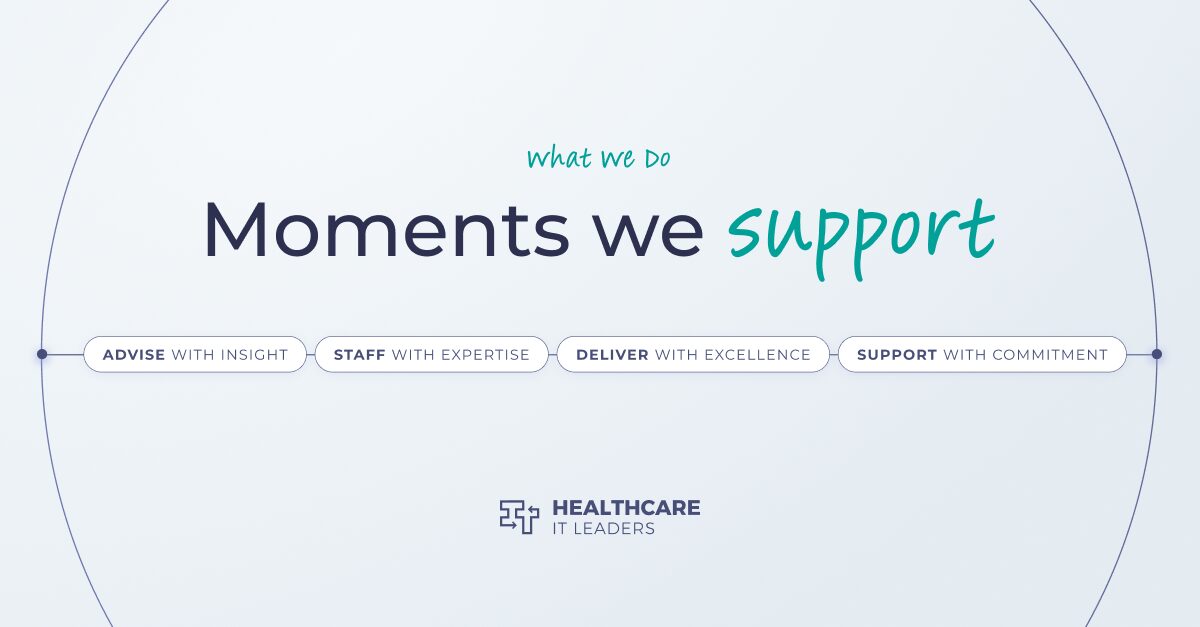
Every moment in healthcare IT, from the initial strategic assessment to the ongoing optimization of mission-critical systems, carries significant weight. For health systems, the challenge lies in managing a multifaceted environment where electronic health records (EHR), enterprise resource planning (ERP), and revenue cycle management tools must work in harmony. Achieving this balance requires a strategic approach that spans four distinct service pillars: advisory, staffing, delivery, and continuous support.
The Strategic Foundation: Advise with Insight
The most consequential decisions in healthcare technology are often made long before a single line of code is written or a new workflow is implemented. Whether an organization is selecting a new platform, conducting a technology assessment, or developing a long-term data strategy, the need for unbiased, experienced counsel is paramount. These initial choices set the trajectory for years of institutional investment and operational success.
Institutional knowledge—the understanding of how clinical, financial, and operational systems intersect—is the most valuable asset in an advisory capacity. A strategic partnership in this space involves a deep dive into an organization’s unique constraints, culture, and goals. By focusing on organizational readiness and roadmap development for multi-year transformation initiatives, health systems can ensure that their technology investments align with their broader clinical mission. This phase is about establishing a clear, actionable path forward, ensuring that the chosen technology serves the needs of both the provider and the patient.
Building Expertise: Staffing for Complexity
The demand for specialized healthcare IT talent has consistently outpaced supply for over a decade, creating a constrained environment for health systems looking to innovate. Finding professionals who possess the rare combination of platform depth and clinical workflow knowledge is a significant challenge. It is not enough for an IT professional to understand the software; they must also understand the clinical implications of a configuration decision, such as how a change in the revenue cycle might impact downstream clinical documentation.
To overcome these hurdles, health systems often require specialists across diverse domains, including clinical informatics, finance, and artificial intelligence. The goal of effective staffing is to match the right expertise to the specific moment of a project, whether that involves a single subject matter expert for a targeted initiative or a full program team for a multi-year transformation. By deploying professionals who can contribute immediately, organizations avoid the lengthy ramp-up periods that often derail project timelines and inflate costs.
Executing Transformation: Deliver with Excellence
Strategy becomes reality when the implementation phase begins. This is where the rubber meets the road—where integrations, cloud migrations, and system optimizations move from the planning board to the clinical environment. The quality of execution during these engagements determines whether a multi-year investment will fulfill its promise or become an operational burden.
Delivery teams with extensive experience in the healthcare enterprise are essential for navigating the complexities of go-lives. These teams have typically encountered the edge cases and minor decisions that, if mishandled, can lead to significant post-go-live recovery issues. Accumulated knowledge regarding platform behavior under real-world conditions is what separates a successful implementation from one that lingers in stabilization. For health systems, this means prioritizing partners who have a proven track record of managing these high-stakes transitions with precision and operational discipline.
Commitment to Continuity: Support and Optimization
A common misconception in healthcare IT is that a successful go-live represents the finish line. In reality, it is merely the beginning of a different, vital phase of work. Sustained attention and proactive management are required to keep mission-critical systems performing at the level that modern patient care demands. Continuous managed services, when driven by ITIL (Information Technology Infrastructure Library) standards and outcomes-based metrics, ensure that systems evolve alongside the needs of the organization.
Effective support goes beyond merely resolving IT tickets; it involves embedded clinical informatics and a 24/7 commitment to incident prevention. When a clinical operations event occurs at 2:00 am, it is not just an IT issue—it is a patient care issue. By treating ongoing support as a strategic priority, health systems can ensure that their technology investments continue to provide value long after the initial implementation team has moved on. This proactive approach keeps systems aligned with evolving clinical needs, ultimately supporting better patient outcomes.
The Interdependent Nature of Healthcare Systems
Healthcare enterprises rarely run on a single system; they operate on layers of interdependent platforms that must communicate seamlessly. From the EHR at the point of care to the ERP managing supply chains and the revenue cycle infrastructure keeping operations solvent, the complexity is immense. The rise of cloud and AI platforms has added new layers of integration that tie these systems together.
The hardest problems in healthcare IT rarely exist in isolation. A workforce management initiative often touches the EHR, and a cloud migration frequently intersects with revenue cycle operations. A data strategy only succeeds if the underlying clinical and operational systems feed it cleanly. Health systems require a partner with the breadth to see across the entire technological environment. This holistic view is the only way to manage the dependencies that define modern healthcare operations.
Conclusion: The Human Element
Advise, staff, deliver, and support—these four moments represent a seamless continuum of expertise. While each pillar is valuable on its own, the true power of this model emerges when they work in concert to carry an organization from its first strategic question through every implementation and year of operation that follows. Despite the increasing role of automation and AI, the fundamental belief remains unchanged: healthcare only works with the right humans in the loop.
As we look to the future of medical technology, the focus must remain on these critical moments. Whether you are leading a large-scale digital transformation or optimizing existing workflows, the emphasis should always be on partnership, expertise, and a commitment to the patient-centered goals of the health system. For those interested in deeper analysis of healthcare policy and innovation, I encourage you to follow the latest updates from the Department of Health and Human Services (HHS), which provides ongoing guidance on the implementation of the Affordable Care Act and other critical health programs.
What are your experiences with technology integration in your own clinical or administrative environments? We invite you to share your thoughts and join the conversation in the comments section below.
Related reading